How the environment raises an intelligent child - Neuroarchitecture and child development
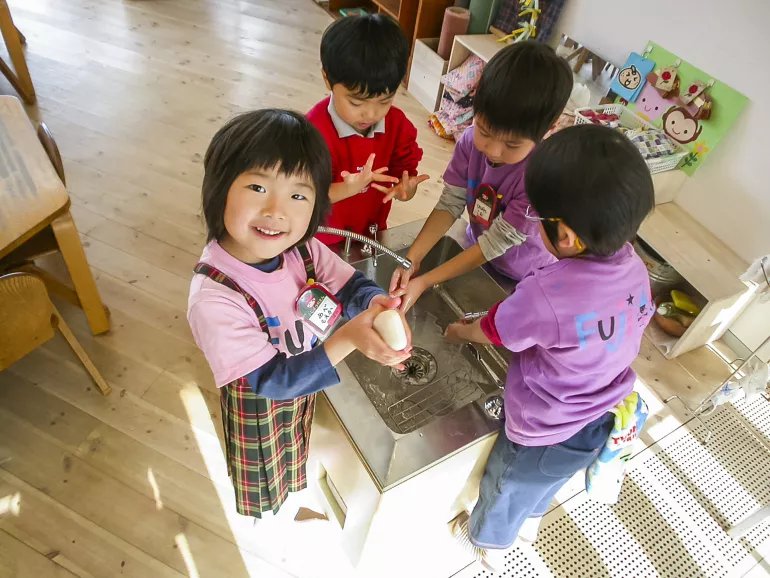
The school and home of the future must be a “living organism” that nourishes the mind, body, and soul of a child. Collaboration between architects, educators, and neuroscientists is key to raising a healthy and happy generation.
At Tokyo's Fuji Kindergarten, children run 4 kilometers a day on the roof, where there are no protective walls.
Table of contents:
1. Architecture that "makes" you move
2. Mechanisms of neurodevelopment: How the environment “builds” the brain
3. Living environment and socio-economic factors
4. Overcrowding and chaos
5. Light biology and acoustic ecology in the learning space
6. Neurodiversity and inclusive architecture
1. Architecture that "makes" you move
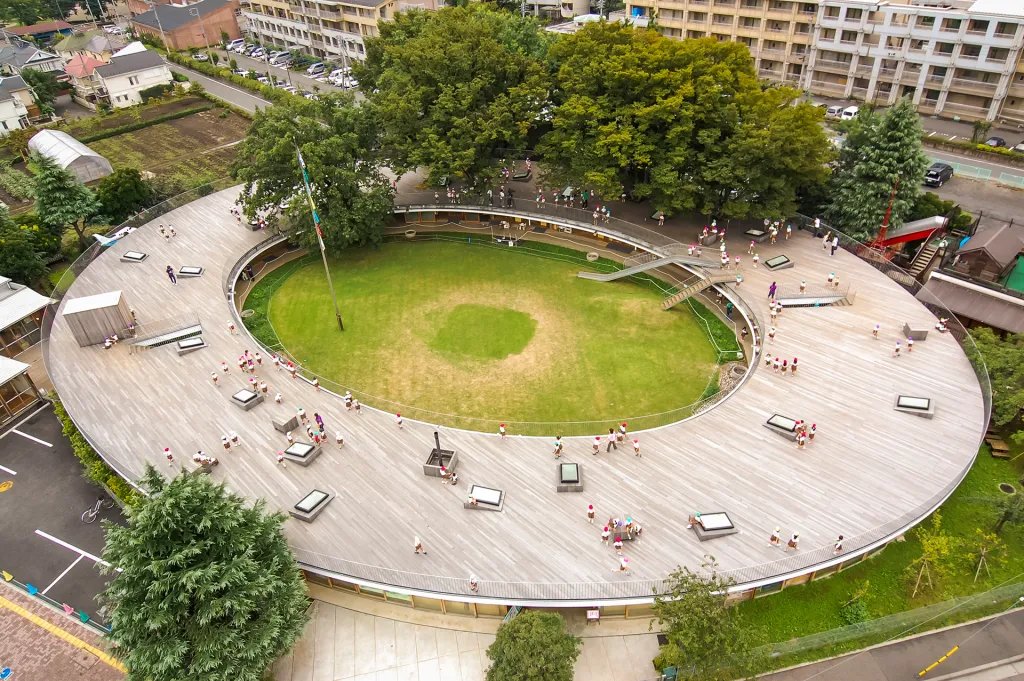
Fuji Kindergarten in Tokyo, designed by Tezuka Architects, Neuroarchitecture And it's a prime example of a risky game.
- Oval roof: The roof of the building is an endless treadmill. Since there is no “end”, the children naturally continue to run. According to data, the children of this kindergarten run an average of 4-6 kilometers per day, which is a fantastic figure and is directly reflected in their high athletic and cognitive performance.
- Integration with trees: The building is built around three huge sycamore trees. The architects left openings in the roof where the trees grow, and made nets. Children can climb the trees and jump over the nets. It's a "controlled risk" that stimulates curiosity and develops motor skills.
- Without barriers: According to architect Takaharu Tezuka, “Children need a small dose of danger to learn to survive.” The railings are minimal and transparent, allowing children to stretch their legs and feel the height.
This example demonstrates that Architecture is an active tool for modeling a child's behavior.
2. Mechanisms of neurodevelopment: How the environment “builds” the brain
A child's brain is not a static organ, it is a dynamic system that is in constant interaction with the outside world. Neuroplasticity - The brain's ability to physically change in response to experience is at its highest during childhood.
A large-scale study from the University of Pennsylvania School of Medicine, based on MRI scans of more than 1,000 individuals between the ages of 8 and 23, has revealed a fundamental sequence of brain development. It found that different regions of the brain lose plasticity (become less “flexible”) at different times, which dictates the priorities for architectural intervention in different age groups.
- Early childhood (0-6 years): At this time, sensory-motor regions are maturing. Accordingly, the sensory characteristics of the environment - textures, lighting quality, and acoustics - are critical for the proper formation of the nervous system.
- Adolescence: At this stage, associative regions and the prefrontal cortex (PFC) maintain plasticity, meaning that the adolescent brain is particularly sensitive to the balance of social space and personal solitude.
Brain plasticity and developmental stages
Early childhood (0-6 years)
- Functional emphasis: Sensory integration, motor skills, perception.
- Priorities: Sensory rich environment, safe movement spaces, tactile diversity, acoustic protection.
Middle childhood (7-12 years)
- Functional emphasis: Language, memory, spatial orientation.
- Priorities: "Enriched Environment", social interaction zones, reading and research corners.
Adolescence (13-20+ years)
- Functional emphasis: Executive functions, emotional control, social behavior.
- Priorities: Balance between privacy (Refuge) and socialization, stress regulation spaces.
The philosophy of Reggio Emilia considers the environment as "To the third teacher", who, after parents and teachers, has the greatest influence on a child's development. (You can read more about this topic in our separate blog, where we explain this method in detail).
3. Living environment and socio-economic factors
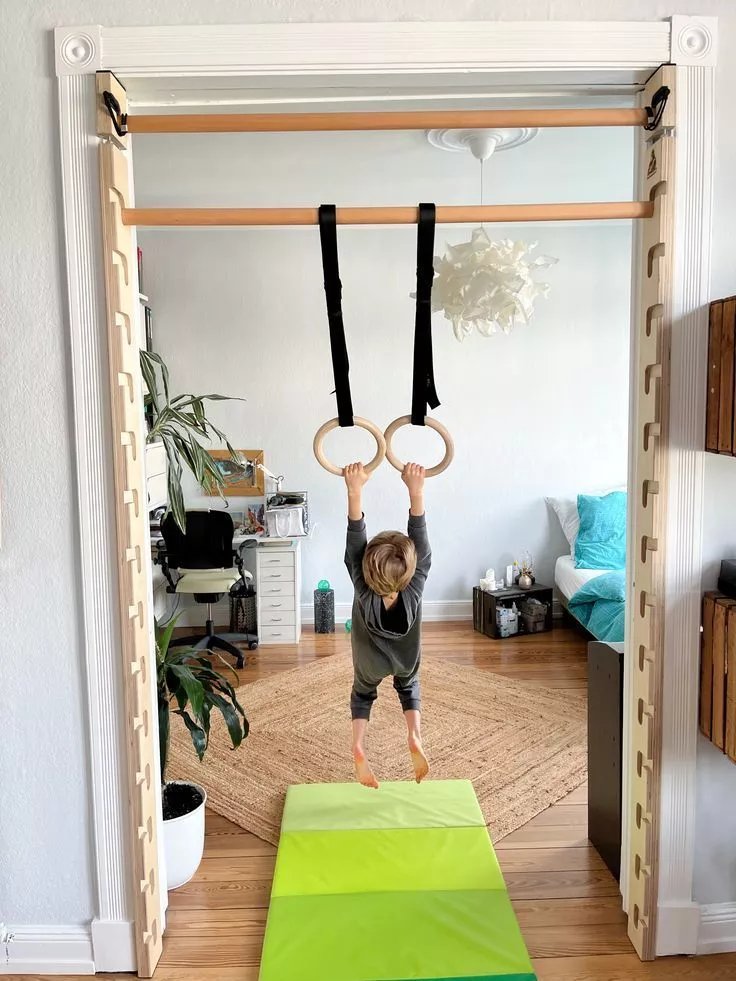
One of the central concepts of architectural psychology is "capabilities." (Affordances) - the opportunities offered by the environment for action. For a child, the floor is a “run” or “sit” place; a staircase is a “climbing” challenge. A widely used tool in research is the AHEMD (Affordances in the Home Environment for Motor Development), which measures the quality of the home environment for a child’s motor development. This tool assesses parameters such as:
- Physical space: Enough space to run and play indoors and outdoors.
- Variety of stimulation: Access to different textures, surfaces and levels.
- Toy materials: Access to fine and gross motor development objects.
4. Overcrowding and chaos
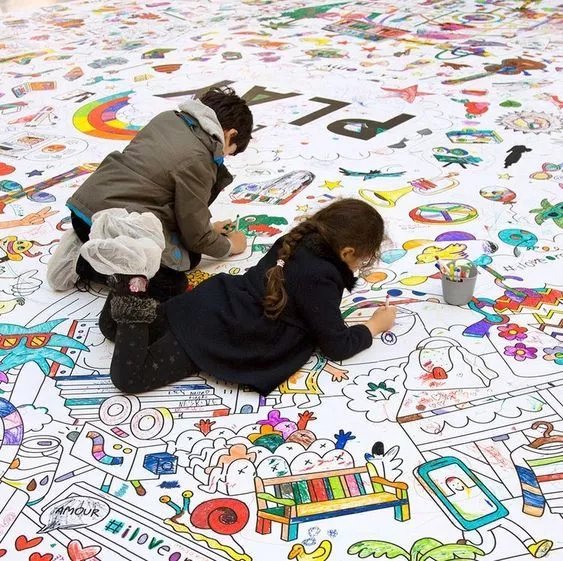
“Overcrowding” is not just a physical parameter (number of people per square meter), but also a psychological state. When there is not enough space for solitude at home, the amount of social stimuli that a child cannot process increases. Studies confirm that overcrowding and “chaos” (physical disorder, noise, lack of structure) are directly related:
- With elevated cortisol levels: Children experience chronic stress because they are unable to control their environment.
- With a change in parental behavior: In a crowded environment, parents become less sensitive and more likely to resort to punitive measures, which further harms a child's development.
- With cognitive deficit: Constant background noise and visual chaos make it difficult to concentrate and develop reading skills.
SonIllness is a critical period for brain development. (Memory consolidation). The architecture of the living environment - noise insulation, temperature regime and lighting control (e.g., the ability to darken) - directly determines the quality of sleep. Poor sleep, caused by environmental factors, is associated with behavioral problems and academic failure.
5. Light biology and acoustic ecology in the learning space
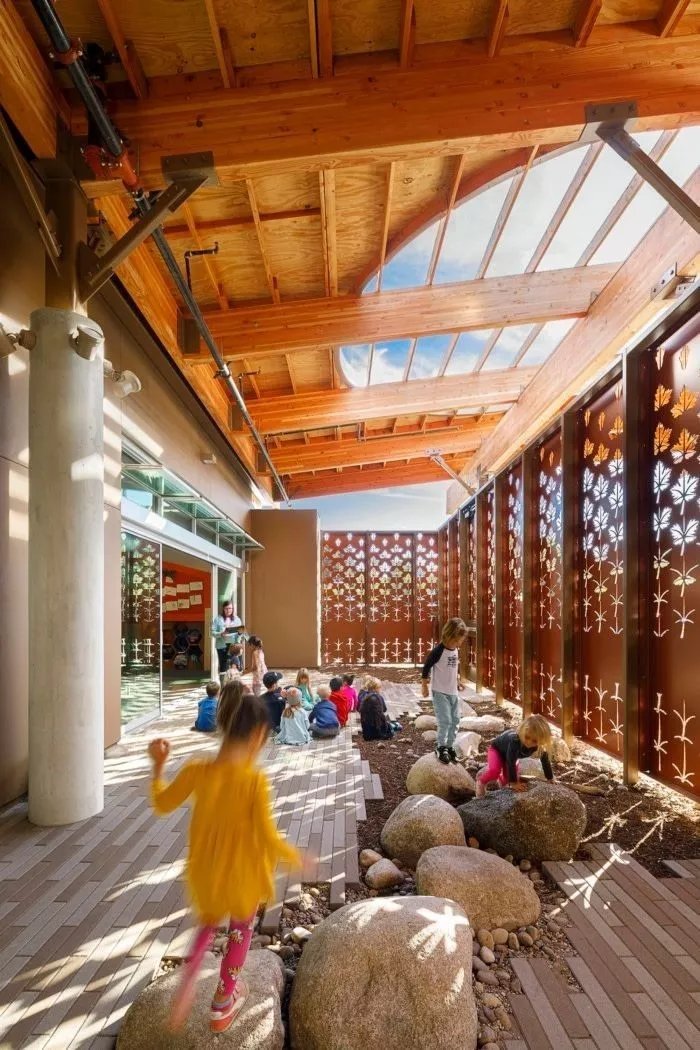
Neuroarchitecture relies on precise measurements, not just aesthetic considerationsThe two most important factors that directly affect academic performance are lighting and acoustics.
- Natural lighting: A large-scale study by the Heschong Mahone Group (21,000 students) showed that students in classrooms with natural light progressed 20% faster in math and 26% faster in reading. This is explained not only by visual comfort, but also by the regulation of circadian rhythms and a decrease in cortisol (the stress hormone) levels.
- Acoustic ecology: Children's auditory system is not fully developed until the age of 15. "Acoustic fog" and background noise burden a child's working memory, which directly hinders reading and comprehension skills.
However, Natural lighting requires careful management. Reflected direct sunlight can cause discomfort and distraction, so it is crucial to use shading systems and diffuse lighting.
Has become popular in recent decades "Open-plan" schools, where there are no walls between classrooms, which theoretically encourages collaboration. However, acoustic studies have strongly criticized this approach. A study in Australia compared Student progress in open and closed classes.
- Reading speed development was significantly slower in open-plan classrooms. Acoustic “leakage” from one group to another creates an environment where the teacher has to raise his voice. This increases his stress and fatigue, and students lose concentration.
6. Neurodiversity and inclusive architecture
An in-depth study conducted reveals that Architecture is a powerful, yet often underestimated, tool for child development. The neuroscientific evidence is unequivocal: The brain is formed in dialogue with the environment.
- Environment as a brain sculptor: Sensory stimuli, stress levels, and physical activity directly alter brain structure (neurogenesis, synaptic pruning).
- Design differentiation: There is no “one size fits all.” Early childhood children need spaces for sensory integration, and adults need a balance of socialization and solitude.
- Neuroinclusion: Design that is good for a child with autism (acoustic comfort, visual calm) is good for all children.
- Return to nature: Biophilic design and risky play are essential components for mental and physical health in the digital age.