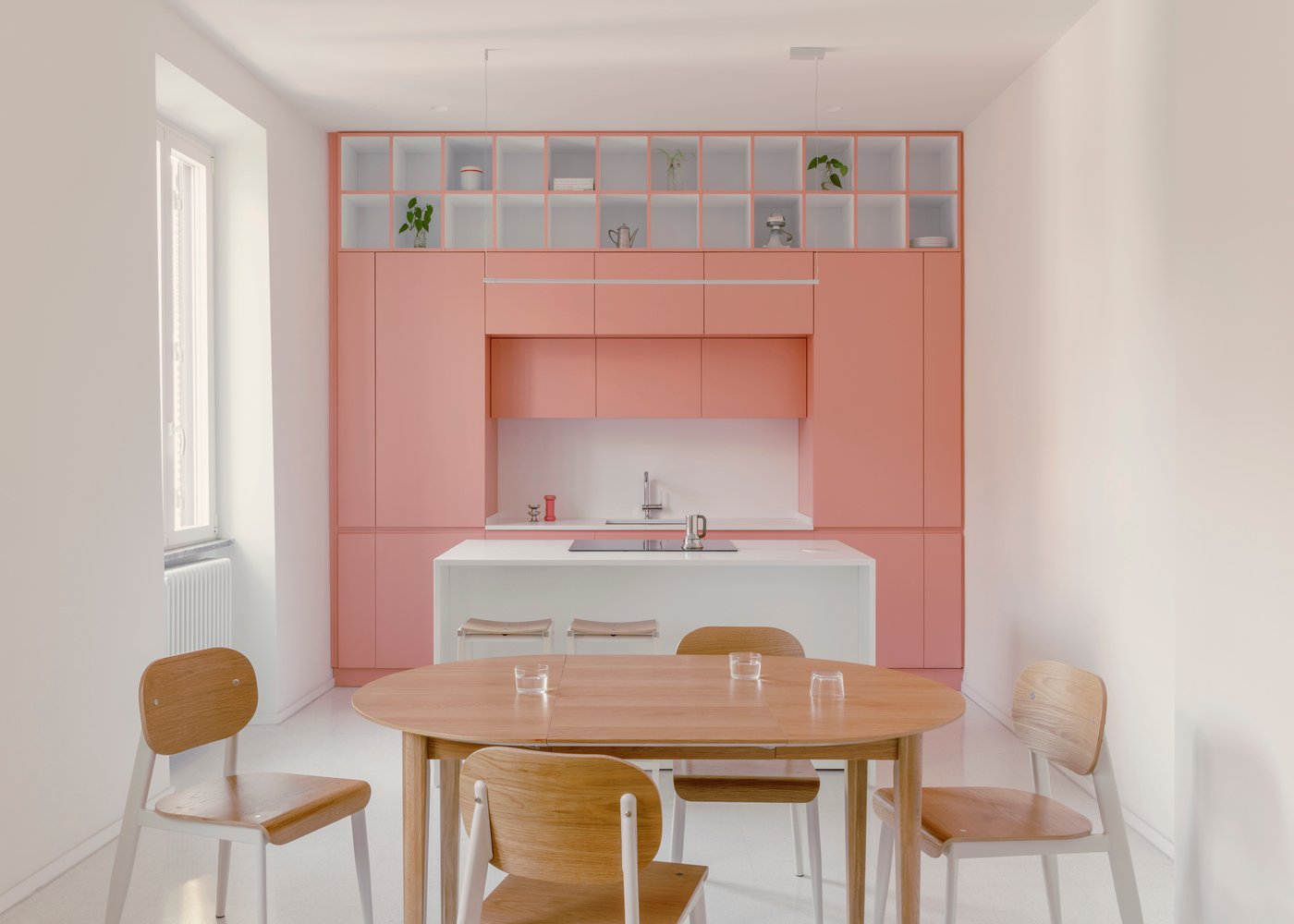
Architecture as Science - How Walls Affect Our Brains
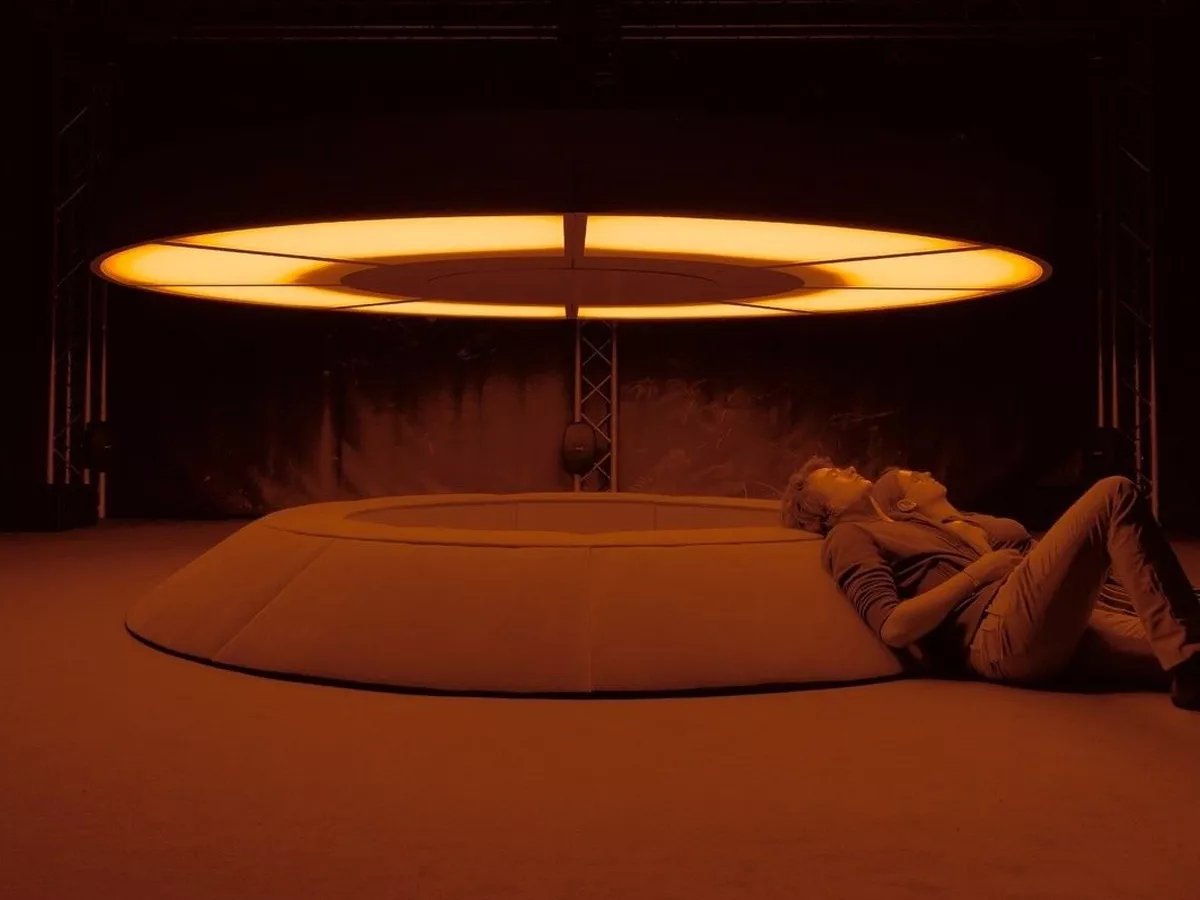
We explore not only how a building looks, but how it changes our hormones.
If the environment can hinder or enhance our cognitive functions, then architecture is a crucial part of human health and scientific progress.
Table of contents:
1. Why was the vaccine invented in a monastery? - Jonas Salk's inspiration
2. What is "neuro-spatial transformation"?
3. The brain as a “spatial scanner” (PPA)
4. Empathy with walls: mirror neurons
5. Sharp corners and the fear center (Amygdala)
6. Combining neuroscience and architecture - neuroarchitecture
1. Why was the vaccine invented in a monastery? - Jonas Salk's inspiration

In the 1950s, an American virologist Jonas Salk He was at a dead end. He was working on a polio vaccine, but in a dark, basement lab at the University of Pittsburgh, he suffered a cognitive block.
In search of a solution, the exhausted scientist traveled to Italy, to the Basilica of St. Francis of Assisi. The unique architectural features of the 13th-century monastery - The play of light, geometry and deep silence - He opened his mindIt was to this environment that Salk attributed the breakthrough that later made the creation of the vaccine possible.
He concluded: If the environment can hinder or enhance our cognitive functions, then architecture is a crucial part of human health and scientific progress.
2. What is "neuro-spatial transformation"?
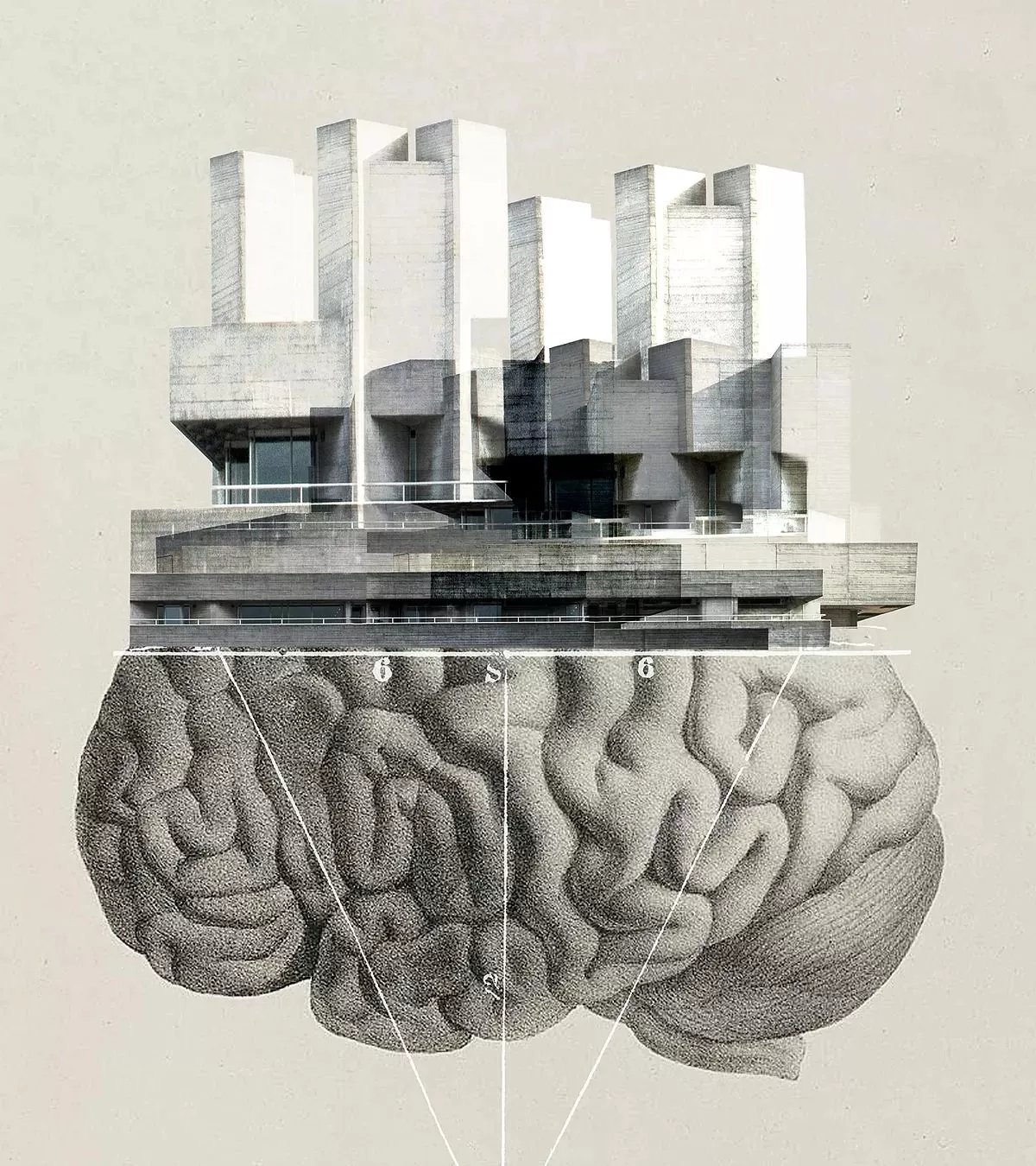
For centuries, the success of a building was measured by Vitruvius' triad: strength, utility, and beauty. However, the 21st century has brought a fundamental shift, called the "neuro-spatial revolution."
Neuroarchitecture views buildings not as passive containers, but as active biological stimulators.The question of how space shapes the mind is no longer a philosophical speculation-it is now a subject of clinical measurement. We can measure the “feel of a building” with biomarkers such as neuronal activity and stress hormones.
But how does this happen technically?
3. The brain as a “spatial scanner” (PPA)
When we enter a room, we don't just "see" it, but our brains instantly process data about safety and emotion.
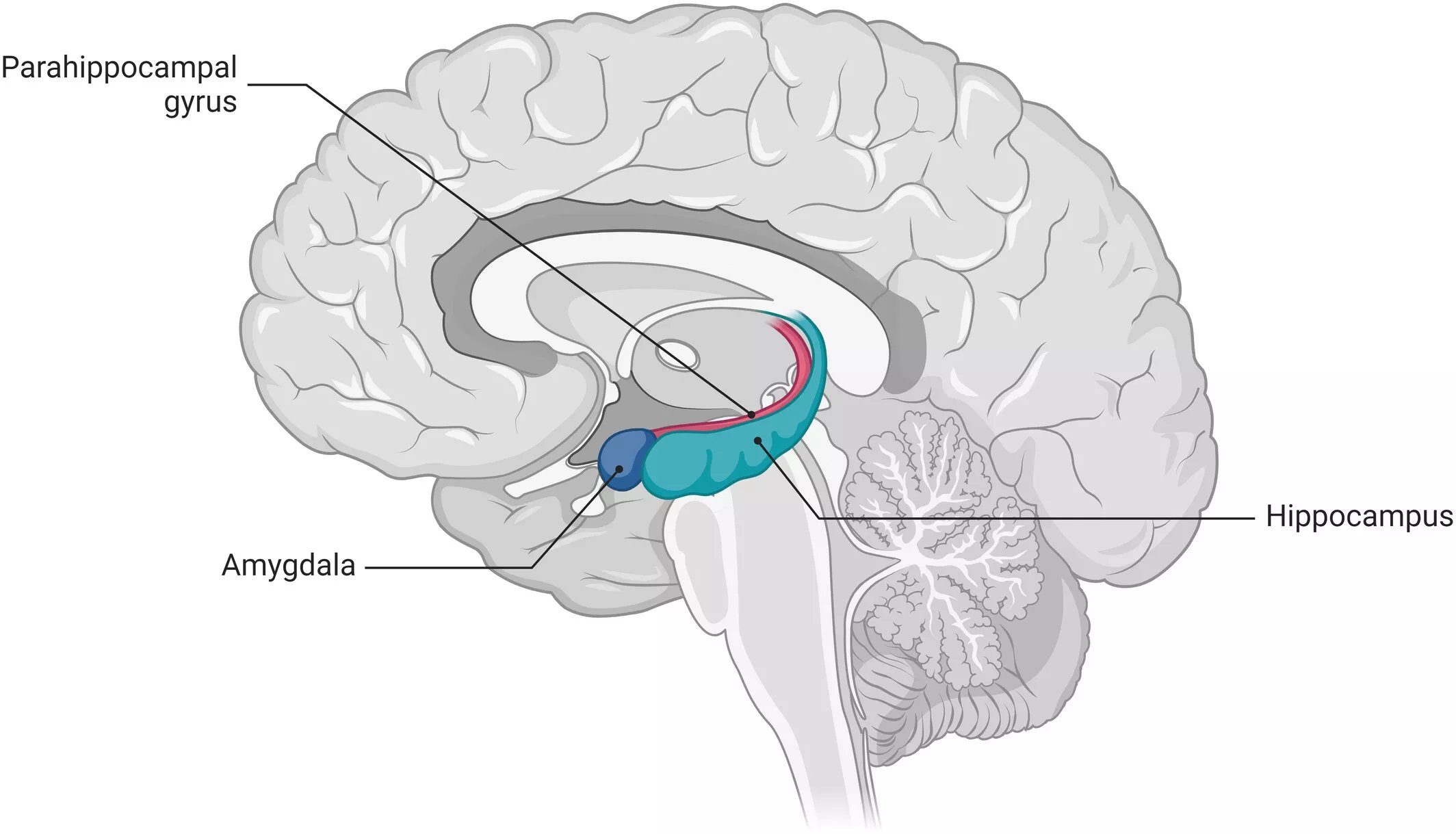
The protagonist of this process is the Parahippocampal Place Area (PPA) - a brain region that acts as "Spatial Scanner". Studies have shown that the PPA is much more active when a person looks at an architectural space than when they look at a face or an object. This area analyzes the geometry of the walls and the volume of the room, thereby creating a structural framework for our experience. Simply put, our brains are evolutionarily programmed to constantly “read” architecture.
4. Empathy with walls: mirror neurons
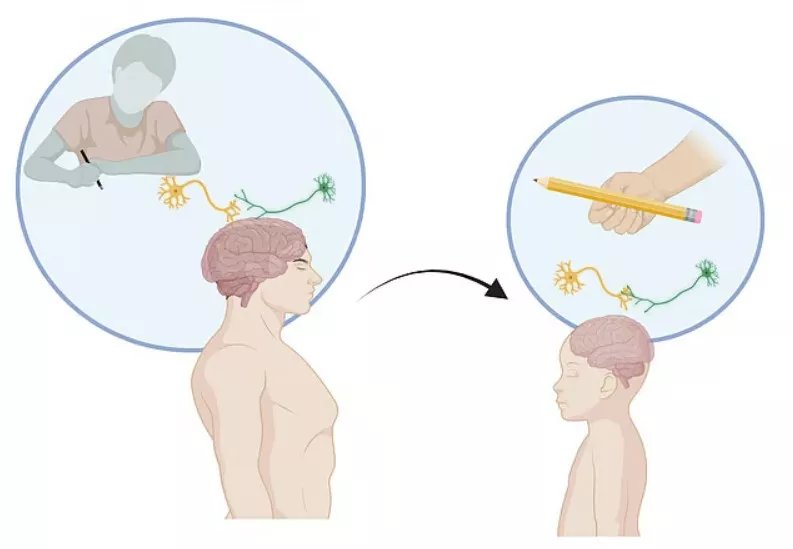
Have you ever felt heaviness in a room with low ceilings, or vice versa - lightness near tall columns? There is a scientific explanation for this.
There is in neuroarchitecture "Corporeal simulation" A theory based on mirror neurons. These neurons fire not only when we act, but also when we observe our environment. When we see a stretched column, our body “feels” the tension; when we see a heavy roof, we subconsciously feel the compression. We actually experience the architecture, which creates a deep emotional connection with the building.
5. Sharp corners and the fear center (Amygdala)
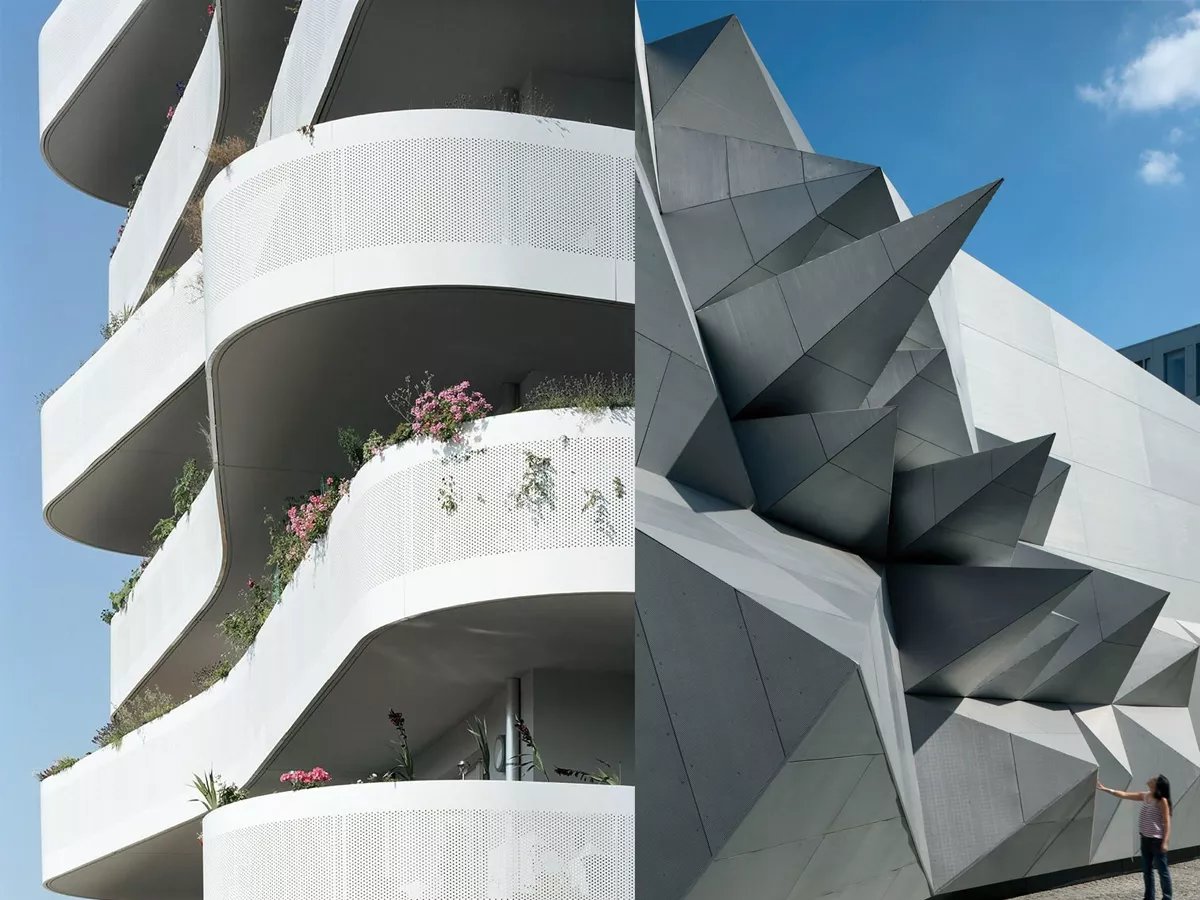
Design elements are directly related to our survival instincts. For example, the brain has an evolutionary bias towards rounded shapes.
In nature, sharp objects (thorns, rocks) are often associated with danger. Therefore, when we see aggressive, sharp corners in the interior, the amygdala - the fear processing center - is activated in our brain. Conversely, Round and organic shapes activate the “reward centers” and make us feel safe.
6. Combining neuroscience and architecture - neuroarchitecture

The history of Jonas Salk and modern neuroscience lead to the same conclusion: we don't live in buildings, we live in dialogue with them. We already know that High ceilings activate abstract thinking. , and rounded shapes soothe our amygdala, but that's just the beginning.
The final horizon of this field is "Neuroadaptive Architecture". This is a future where buildings are no longer static, but rather become “living organisms” that sense our state. Imagine an environment that operates on a “feedback loop”: a building “sees” that our stress levels are rising and responds by dimming the lights or releasing a soothing scent.
As architect Philip Beasley says, Buildings should be transformed into "empathic membranes", which regulate our biological state. This places a whole new responsibility on the architect. We become not just the ruler of bricks and concrete, but also the "guardian of the neural and hormonal health" of people.