How space teaches children - an environment that speaks
Have you ever thought that the walls, lighting, or even the furniture in a classroom can be a teacher?
This new vision gave rise to a concept called "The Three Teachers": How the Right Architecture Changes Child Development
Table of contents:
1. Main idea: Three teachers in one room
2. School as City: Secrets of Architecture
3. "One Hundred Languages" and the Creativity Laboratory
4. Walls that tell the story of learning
Have you ever thought that the walls, lighting, or even the furniture in a classroom can be a teacher?
This story begins in post-war Italy, in the city of Reggio Emilia. In the ruins, parents and teachers, led by Loris Malaguzzi, decide: fascism will never happen again if we raise children from the very beginning to be democratic, free, and critical citizens.
To this end, they have created an educational philosophy that radically changes the perception of the child: the child is no longer an "empty vessel" that needs to be filled with knowledge; he or she is a competent, powerful, and empowered researcher.
This new vision gave rise to a concept called the "Three Teachers."
1. Main idea: Three teachers in one room
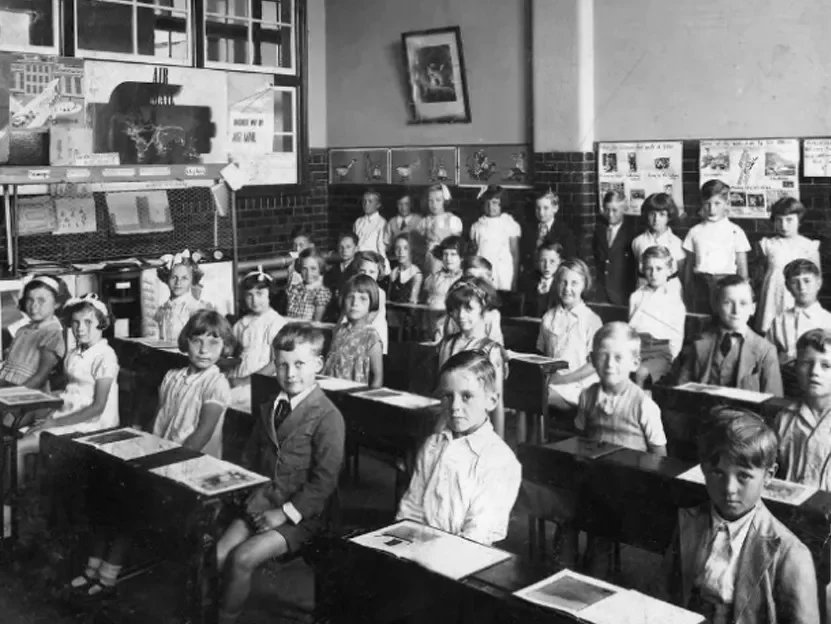
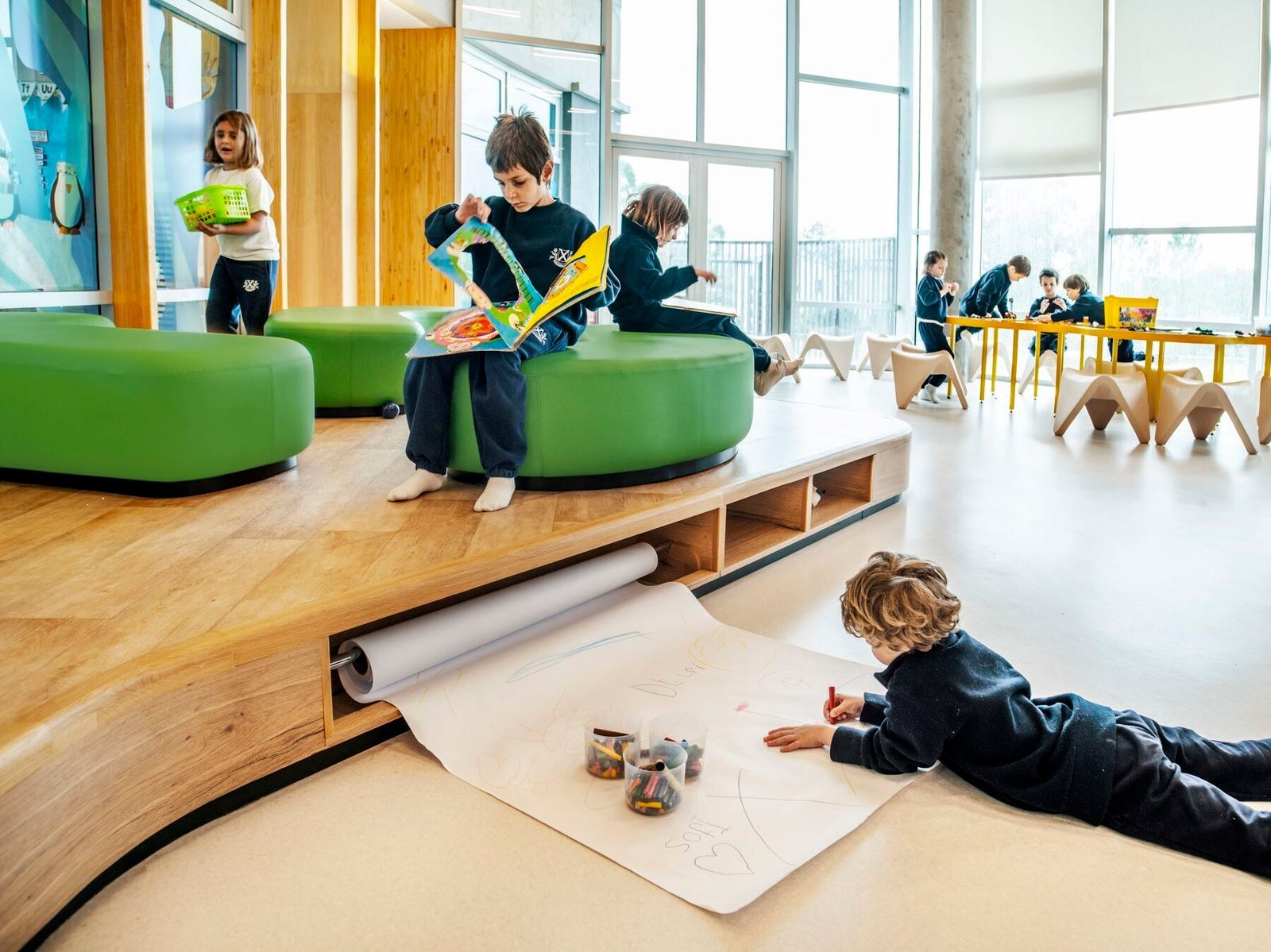
The Reggio Emilia approach states that three forces are responsible for a child's development, which are in constant interaction with each other:
- The first teacher is the parent.: He is the bearer of the child's cultural values and an active partner in school life.
- Second teacher - teacher: He is not a director who imparts knowledge. He is a co-researcher, an observer, and a guide.
- Third teacher - environment: It is a physical space - interior or exterior - that actively participates in learning through its design.
The result: the environment is not just a pretty decoration. It is an active agent that has "subjectivity" and "talks" to the child, offering him exploration and the establishment of social connections. This approach is based on social constructivism, where knowledge is created in a complex network of interactions - not only between people, but also between children and space.
2. School as City: Secrets of Architecture
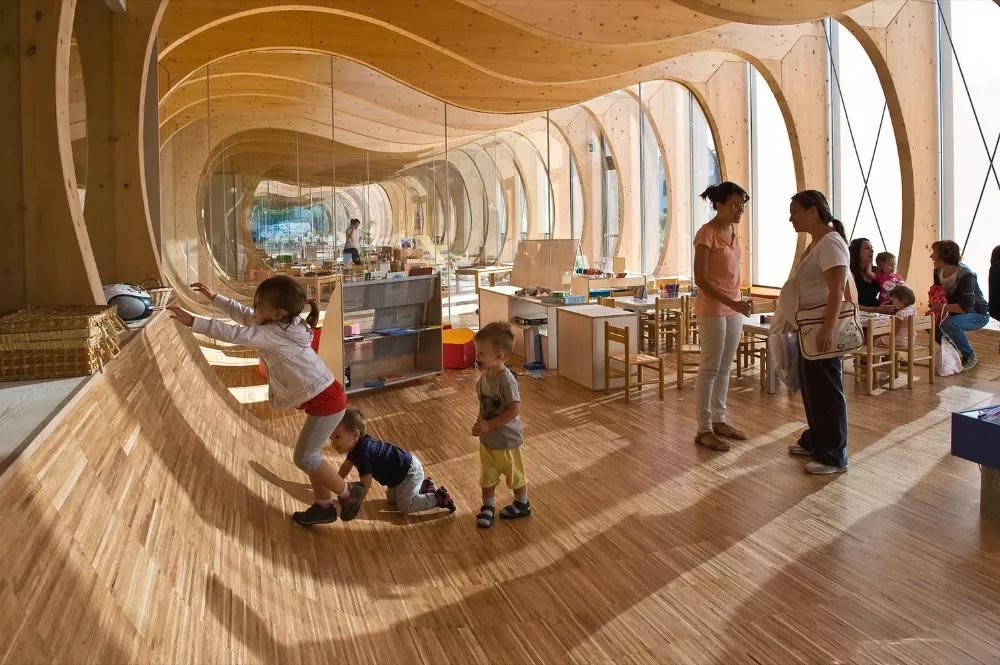
What should the environment look like if it plays the role of a teacher? Reggio Emilia's architectural solutions are not accidental; they consider the school as a "city in miniature."
- Piazza - The heart of the school (Piazza): Like many Italian cities, the school has a central square - the piazza. This is not a corridor; it is an open, democratic hub that connects all the classrooms and where children of different ages and parents meet. This is where ideas are "cross-pollinated" and a sense of community is strengthened.
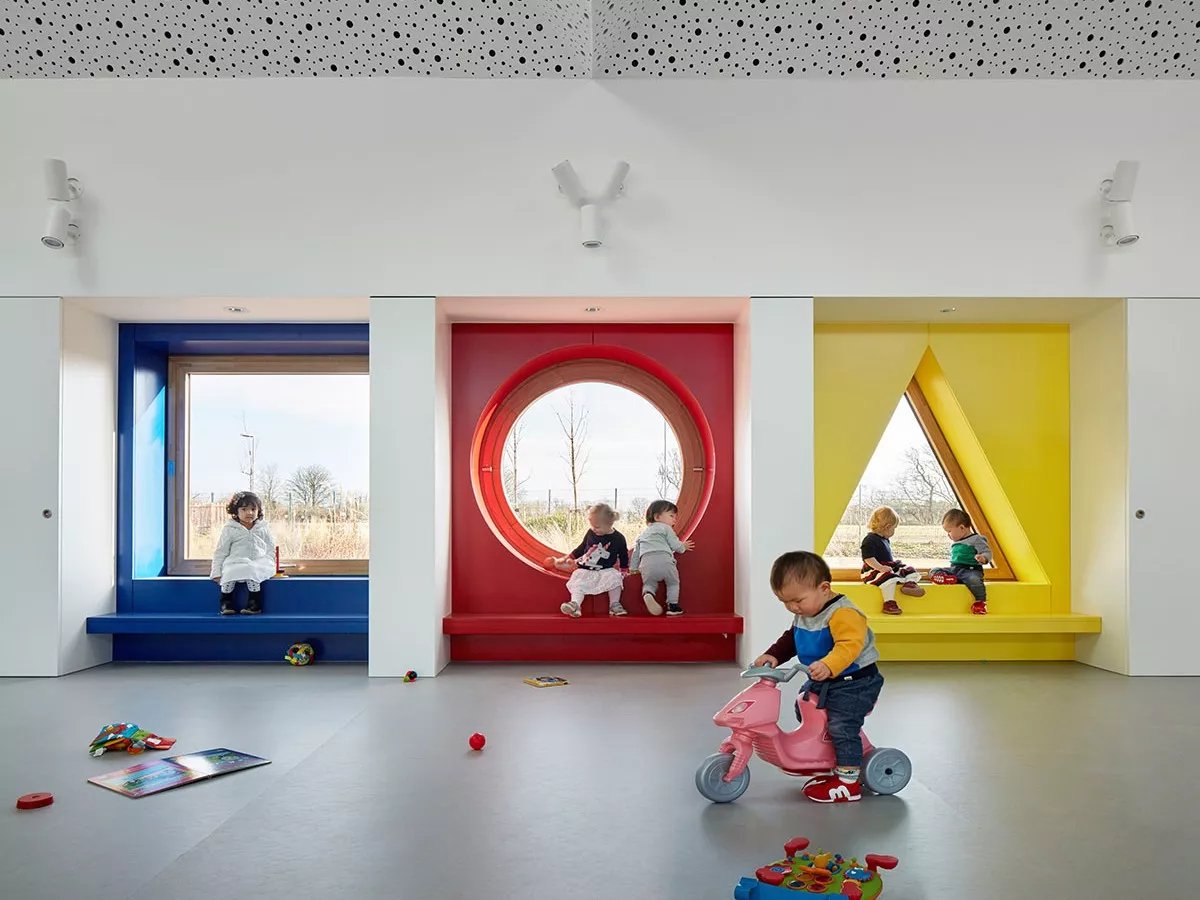
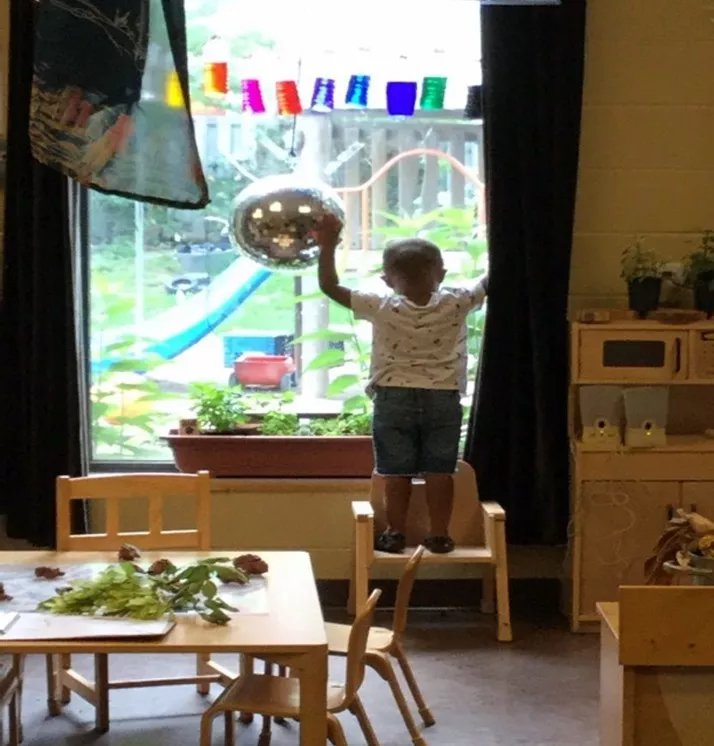
- Transparency and light: Schools use a large number of glass walls and windows from floor to ceiling. This provides visual continuity - children can see what is happening in the next room, in the yard or even in the kitchen. Light is not only natural lighting, but also a “material” that children can manipulate (for example, with light tables or shadow theater).
3. "One Hundred Languages" and the Creativity Laboratory
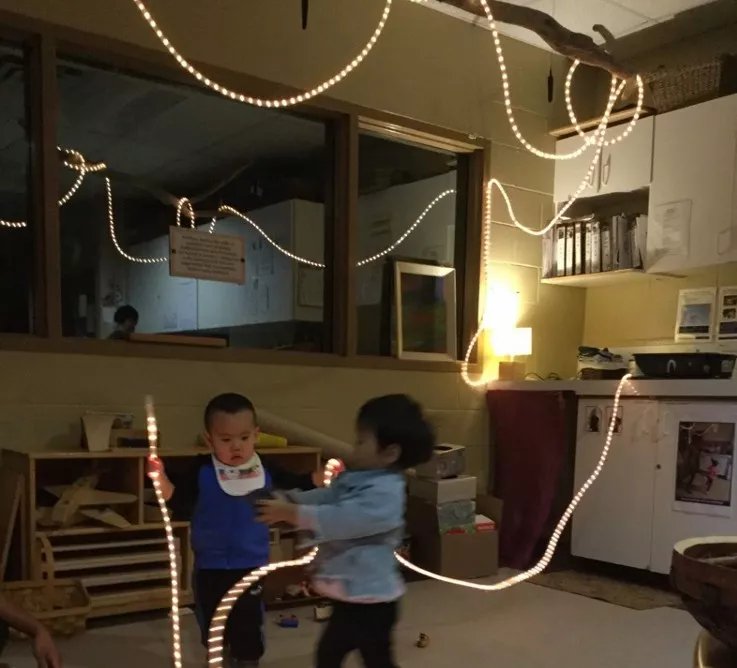
Malaguzzi said that children have "a hundred languages" - drawing, sculpting, dancing, music, construction, etc. Traditional schools often suppress most of these languages. In Reggio Emilia, an Atelier was created to preserve these languages.
- Atelier : This is not a standard art room. It is a laboratory for research and experimentation, equipped with a variety of materials - clay, wire, natural materials, and digital technologies. Here, art is not a goal, but a language for understanding the world.
- Atelier: This is a special teacher (often an artist) who does not teach how to draw "correctly" but rather helps children understand the "grammar of clay" or the "language of color" so that they can express complex ideas.
4. Walls that tell the story of learning
How is the third teacher assessing what has been learned? Through documentation.
In Reggio Emilia, the walls are not just decorations or places for ready-made posters. They are placed on the walls Pedagogical documentation that makes learning visible .
- Result VS Process: Documentation differs from the traditional "exhibition" (where only finished, identical works are displayed). Documentation focuses on the process: it includes recordings of children's dialogues, photos of the stages of work, teacher comments, and answers the question: "How did the child come to this conclusion?".
- Effect: This increases the child's self-esteem (because he sees that his thoughts are valued) and allows parents to see "how" their child is learning, not just "what he is eating."
5. Environmental message
"The environment as the third teacher" The ultimate goal and result of the concept is that the space delivers a strong message to children: "You are competent, you are an explorer, and we respect your potential."
To achieve this, the environment must be:
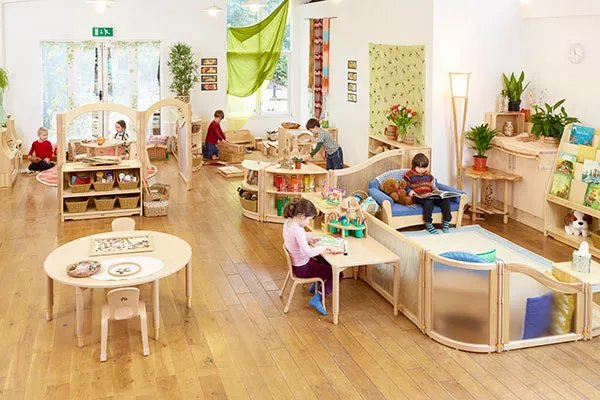
- Flexible and responsive: Furniture should not be rigid, and the space should change according to the children's interests (for example, if children become interested in shadows, the room can be transformed into a "light studio").
- Provocative: The environment actively "invites" the child to explore. This is done through "provocations"-a deliberately designed arrangement of materials that raises questions rather than a specific task.
- Aesthetically serene: The walls are neutral tones, reducing "visual clutter" to focus on the natural materials, the children, and their artwork.
- Rich in open-ended materials: Children are given "Loose Parts" (rocks, cones, pieces of wood) that do not have one specific purpose, which develops symbolic thinking.
- When asked how the right architecture changes a child's development, we can answer with the experience of Reggio Emilia that the synthesis of architecture and pedagogy creates learning spaces that not only teach, but also inspire and shape the citizens of the future. This is an investment not in buildings, but in the quality of childhood.