
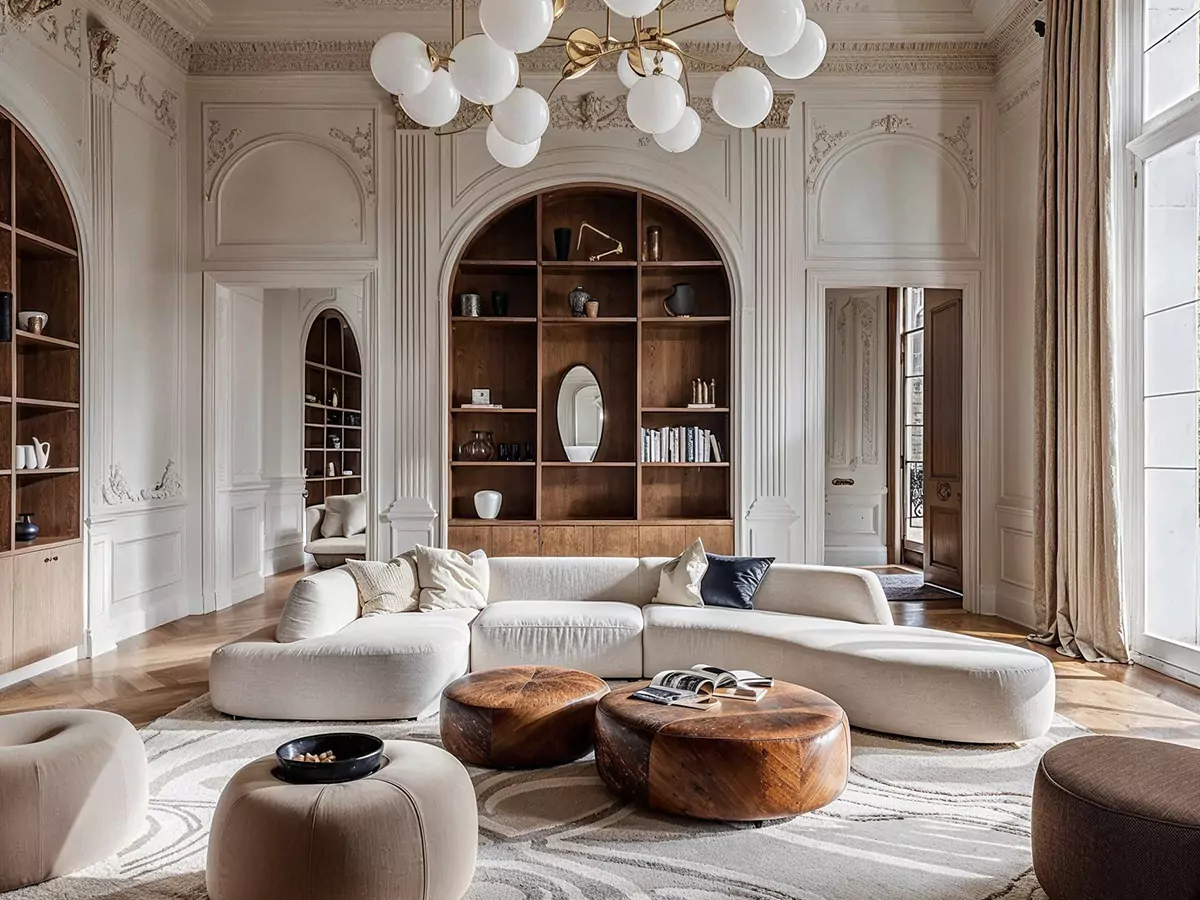
We present to you the different characteristics of interior design.
Table of contents:
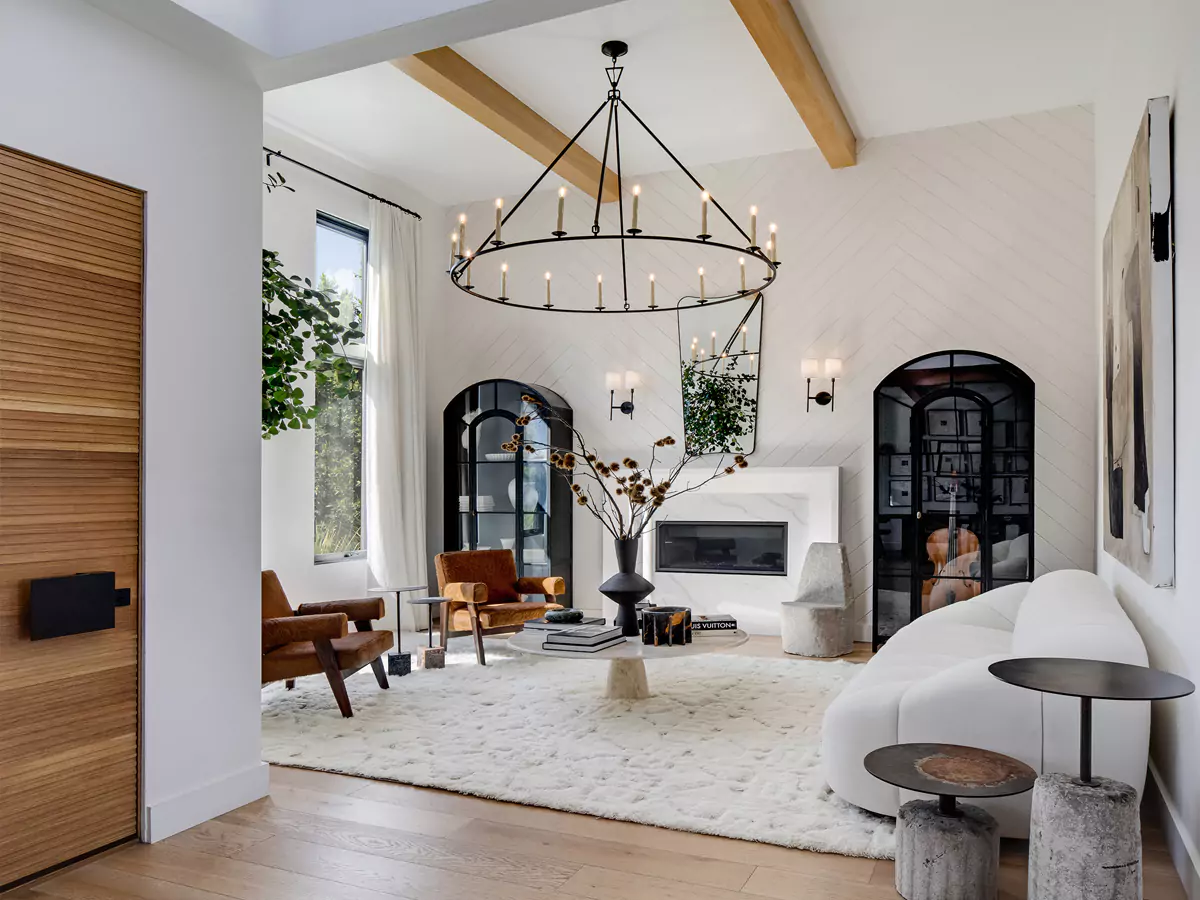
Over the past two decades, our daily lives have changed, and so has interior design. Today, a home is no longer just a place to live, it is a reflection of personality, lifestyle and values. Interior design in the 2000s was quite bold and sophisticated, while modern trends tend towards simplicity, functionality and sustainability. With the advent of digital technologies, smart homes and eco-friendly innovations, home design today is more comfortable and efficient than ever. Therefore, let’s take a look at four main design styles – classic/neoclassical, minimalist, modern/contemporary and retro/shabby-chic – and how they have transformed over the years.
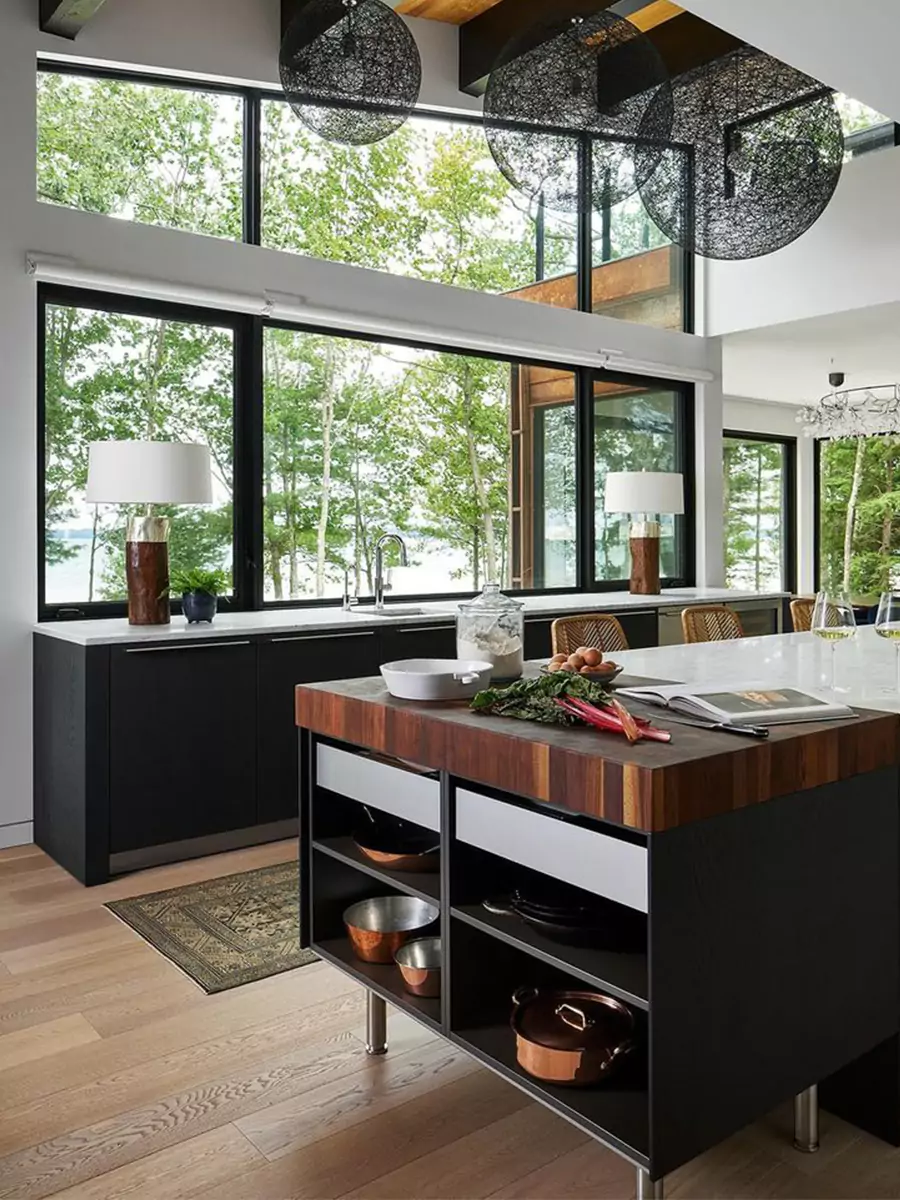
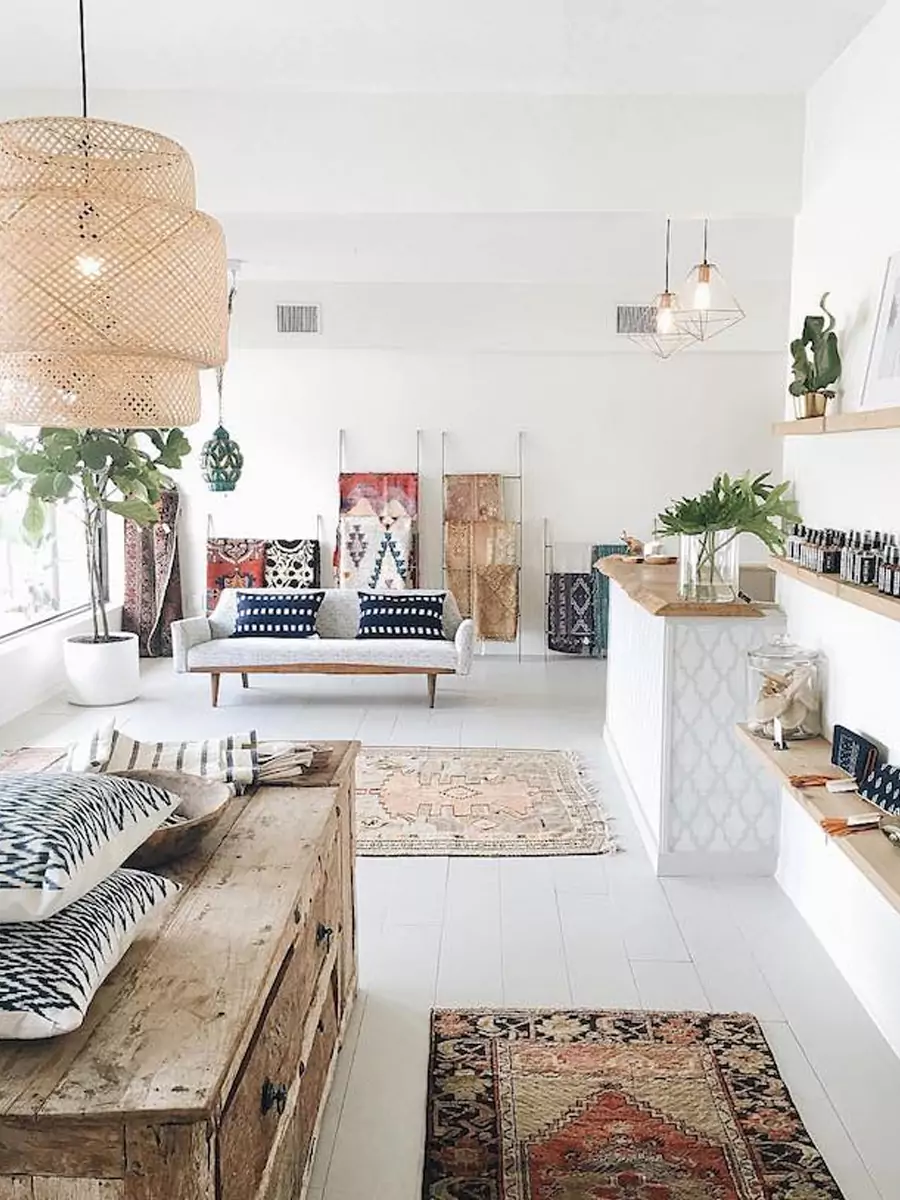
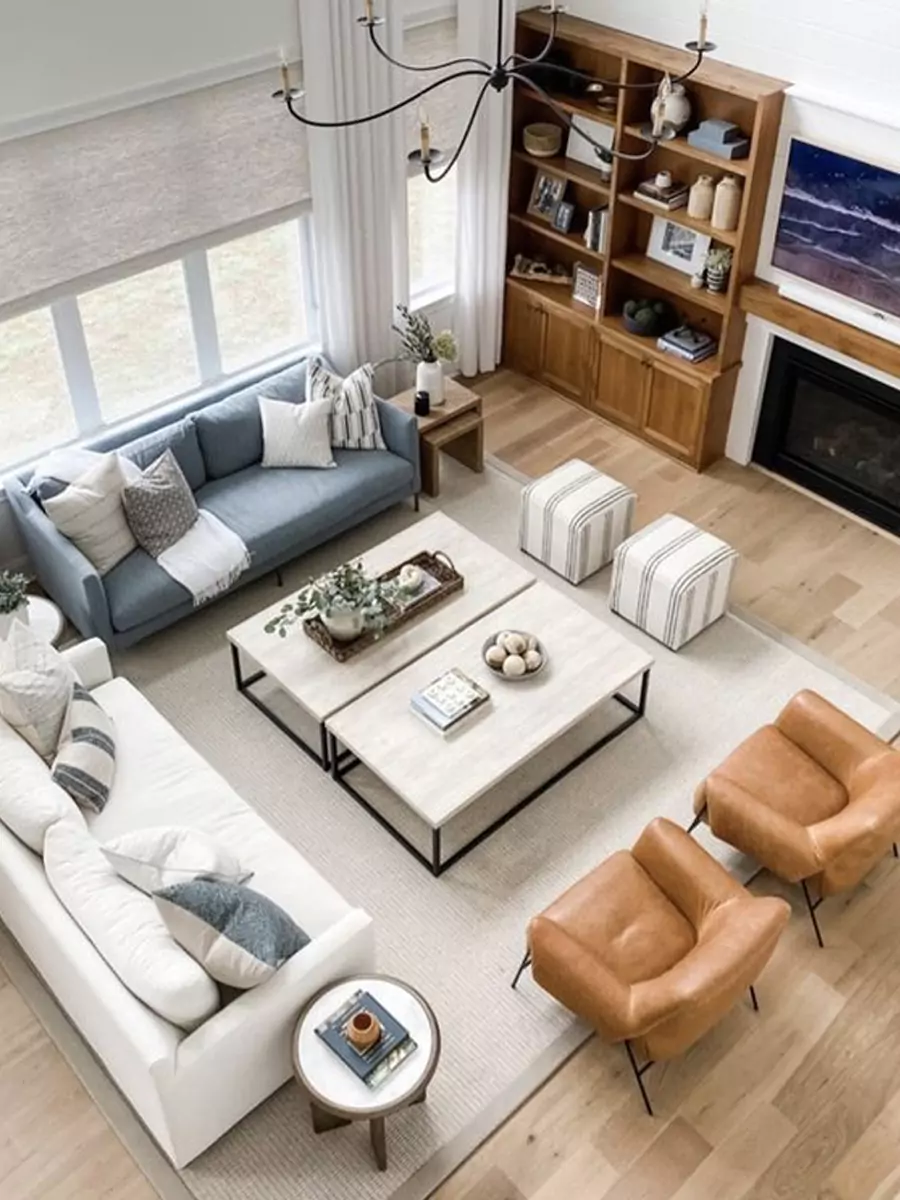
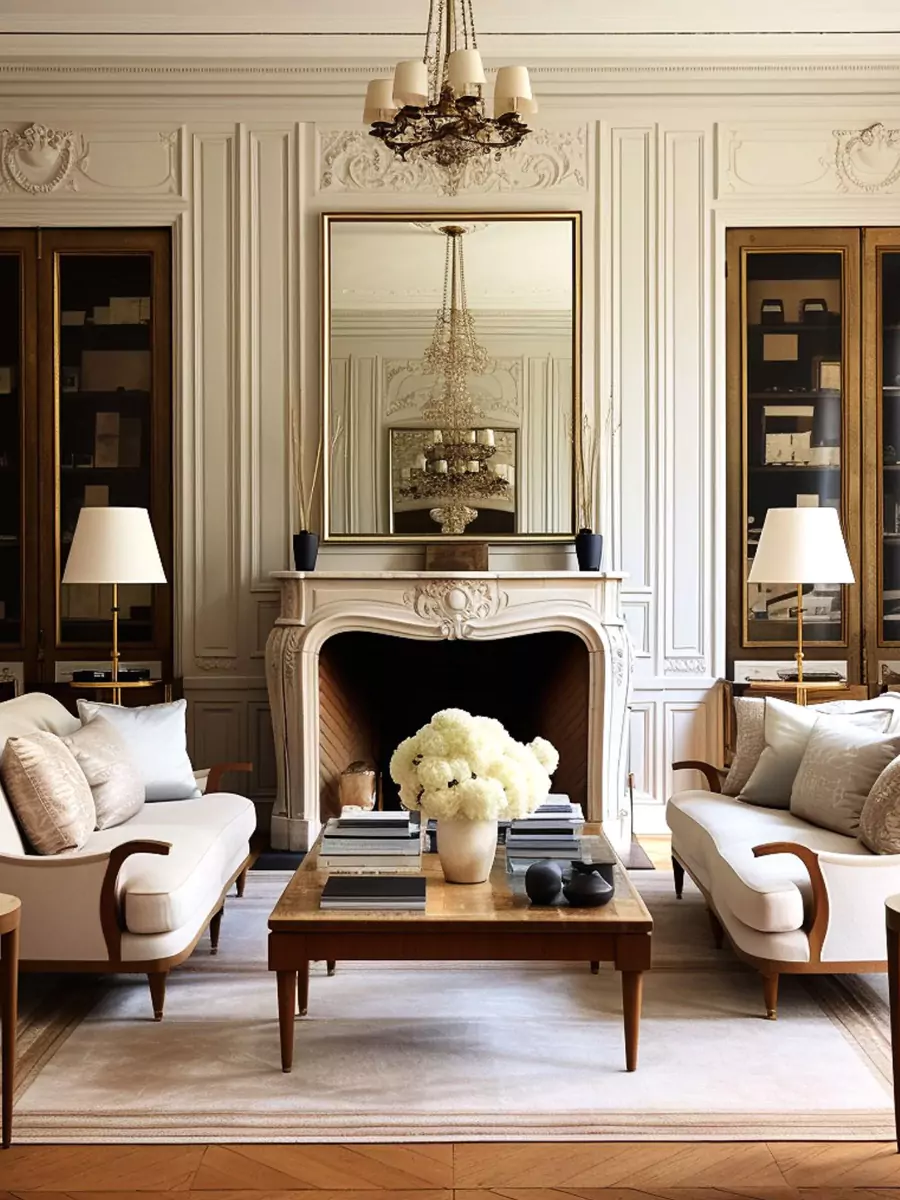
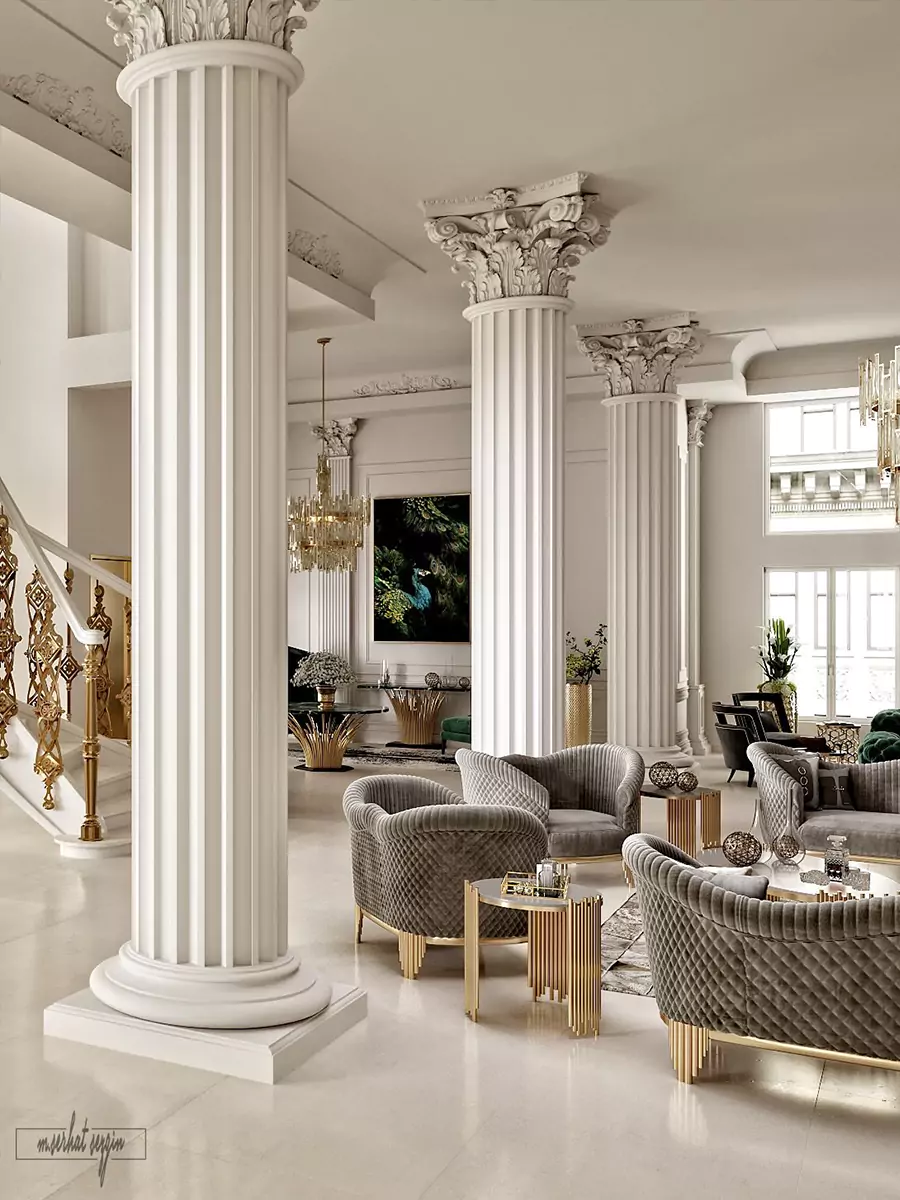
Classical interior design has long been synonymous with elegance, symmetry, and intricate detailing. In the 2000s, classical and neoclassical interiors were characterized by relatively heavy furniture and luxurious fabrics, such as velvet and silk. This style was characterized by chandeliers, gold accents, and marble surfaces, which emphasized wealth. Many homes were designed with grand staircases, large fireplaces, and intricate ceiling details, which created a sense of luxury.
Today, neoclassical home design retains its grandeur but embraces a more refined and balanced aesthetic. Modern versions often incorporate softer color palettes, minimalist details, and a mix of traditional and contemporary elements. Homeowners now prefer sophisticated spaces and continue to favor luxurious fabrics. In addition, there is a greater emphasis on functionality. With a more open layout and a mix of vintage and modern furniture, a sophisticated yet very cozy and comfortable atmosphere is created.
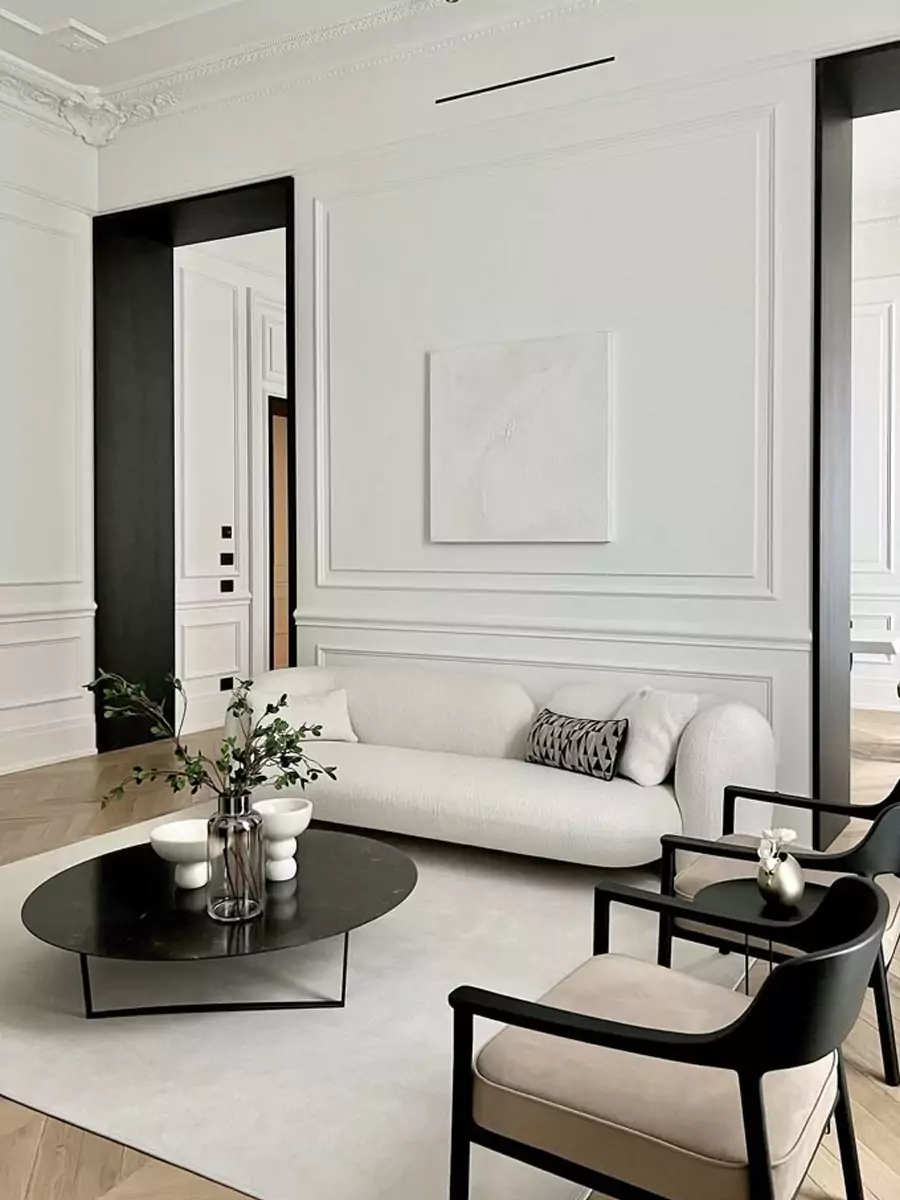
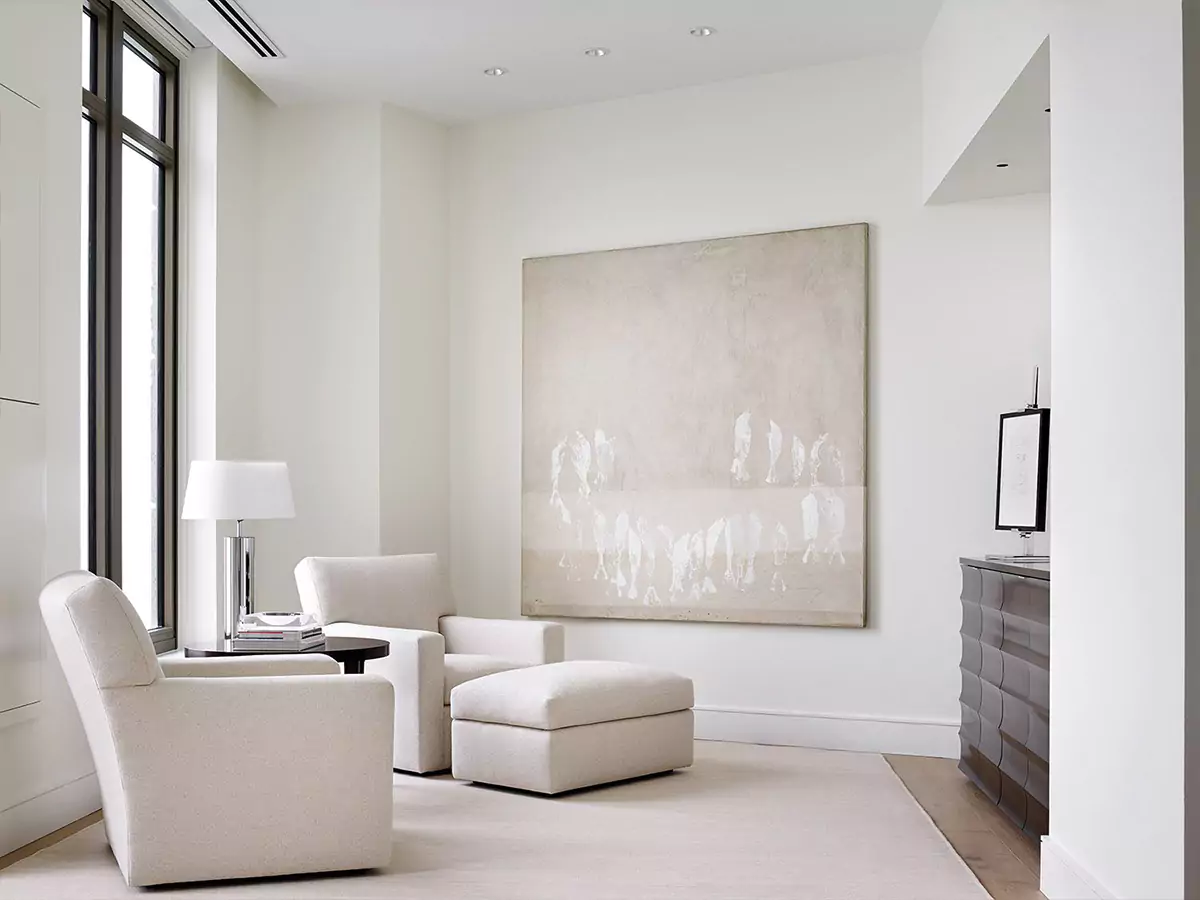
Minimalist style became more popular in the 2010s. This style features simple details and seamless transitions between spaces. In the early 2000s, minimalism was often defined as being stark and ultra-modern, with monochromatic color schemes, smooth surfaces, and a “less is more” approach. Most homes were furnished with small furniture and minimal decorative elements.
In recent times, minimalism has undergone a transformation, with a focus on warmth and comfort. Today, soft textures, natural materials, and neutral tones create a calming and inviting atmosphere. Open-concept spaces and multifunctional furniture further enhance this environment. Today’s minimalist interiors aim to organize space and mind, creating a relaxing home. With the rise of smart home trends, minimalist style has become even easier and more interesting to implement.
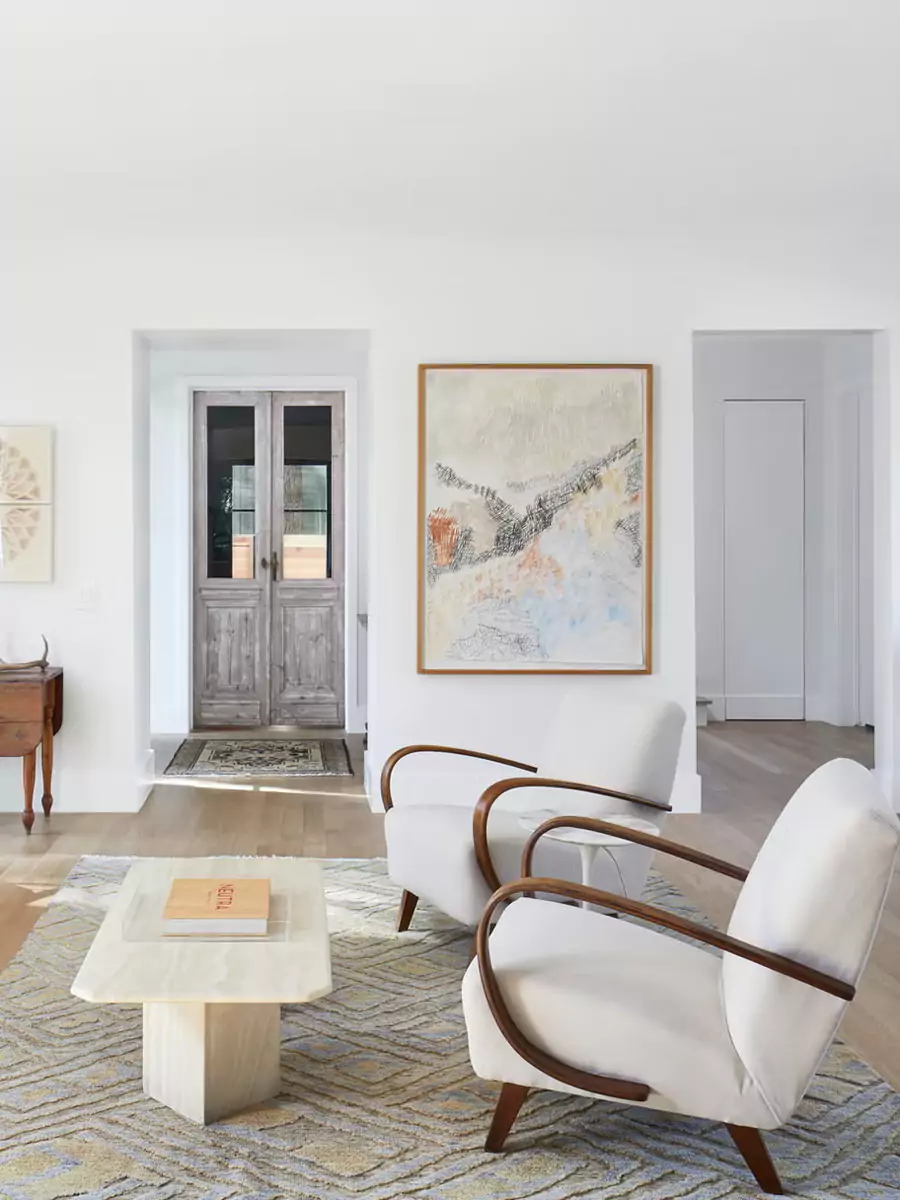
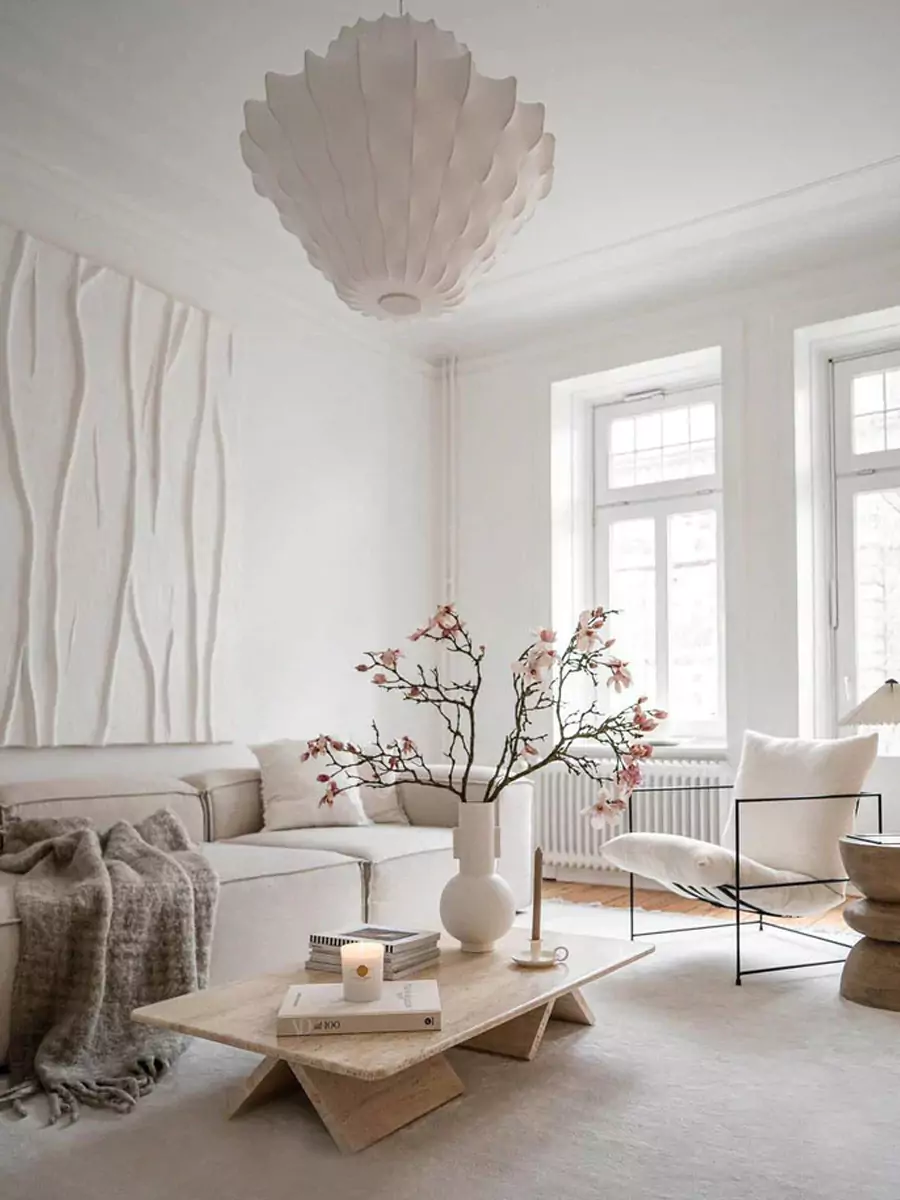
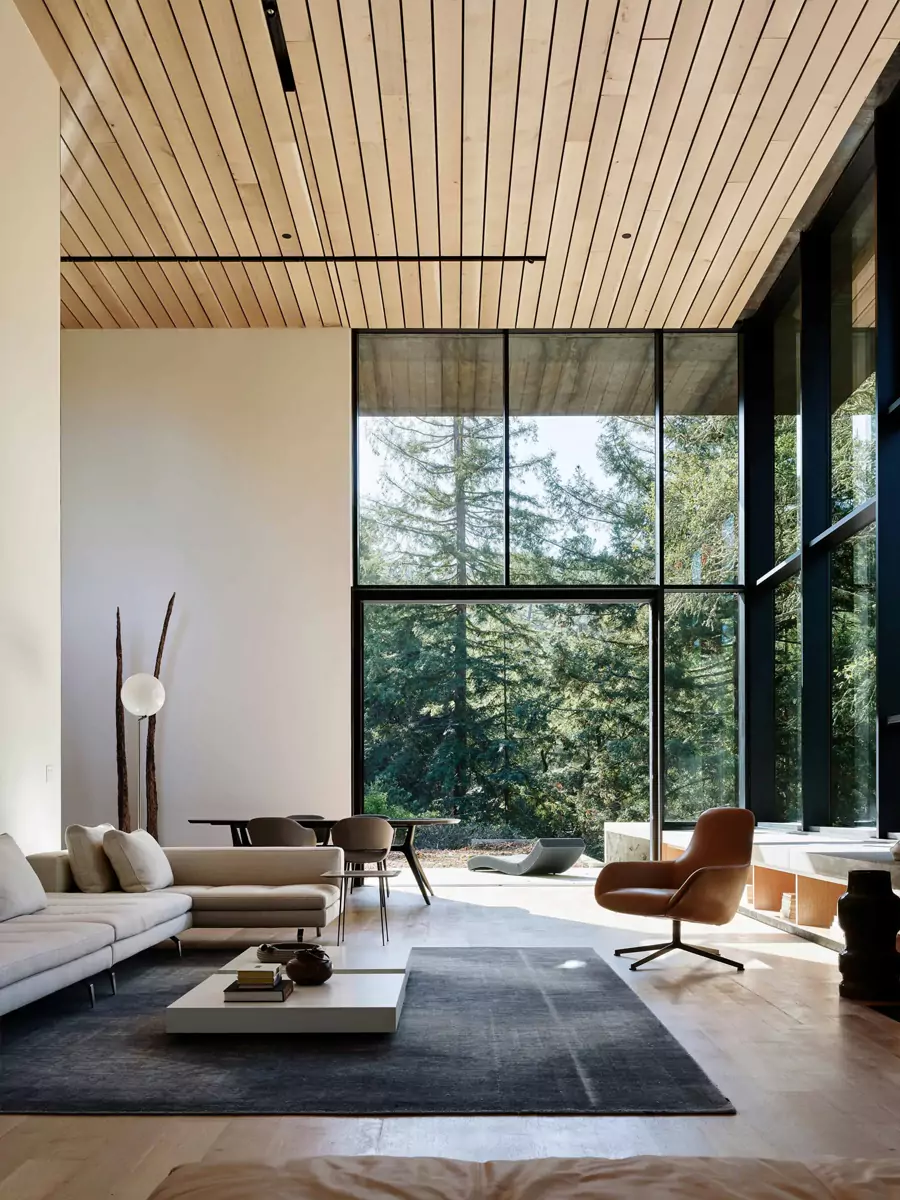
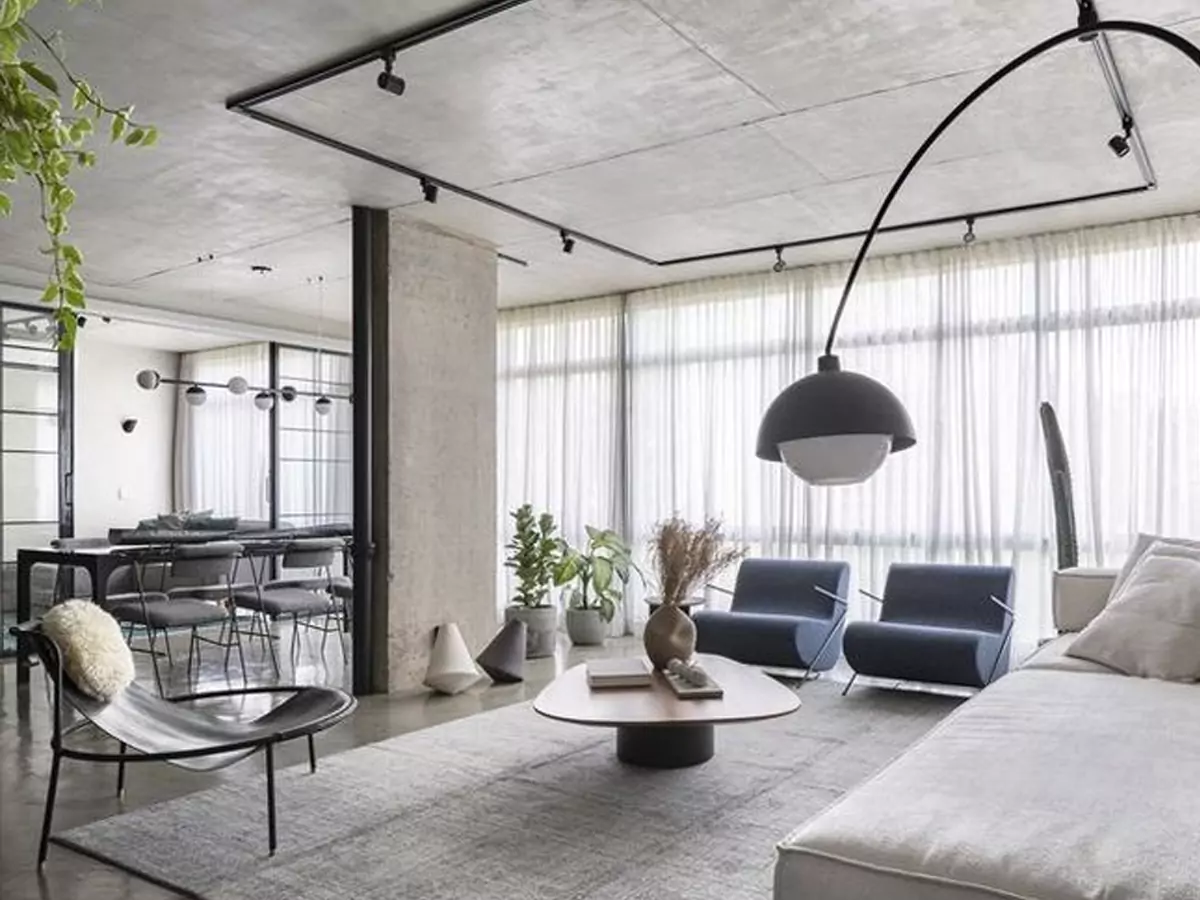
Modern interior design, which dates back to the early to mid-20th century, emphasizes clean lines, open spaces , and neutral color palettes. However, modern interior design is constantly evolving, adapting to current trends and technological advances. In the early 2000s, modern interiors often featured glossy surfaces, a mix of natural materials, and bold geometric patterns.
Over time, this style has softened and today combines organic textures, muted colors and energy-efficient solutions. Homeowners prefer bright, airy spaces, whether it is a bedroom design or a living room design, as this maximizes natural light. Sustainable materials, such as wood and environmentally friendly paints, have become a key element in modern interiors.
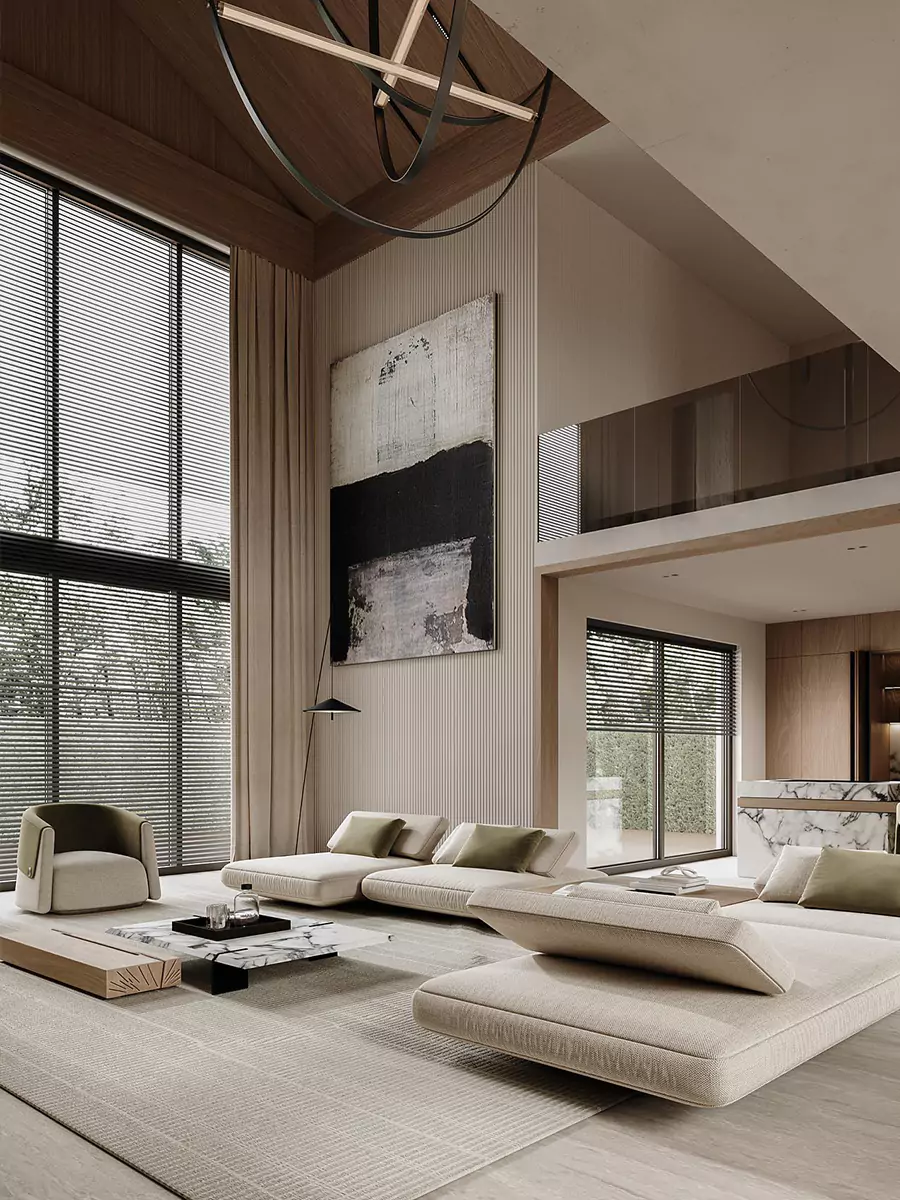
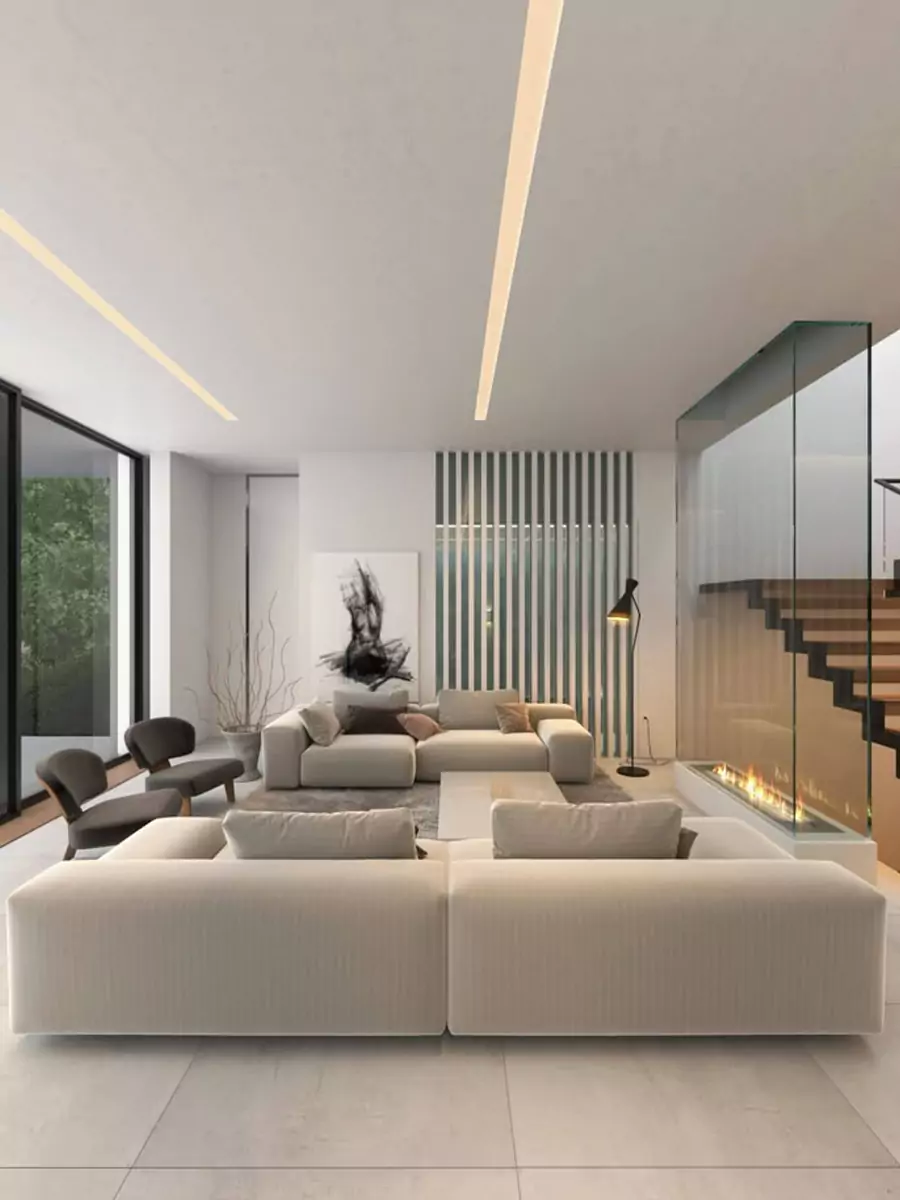
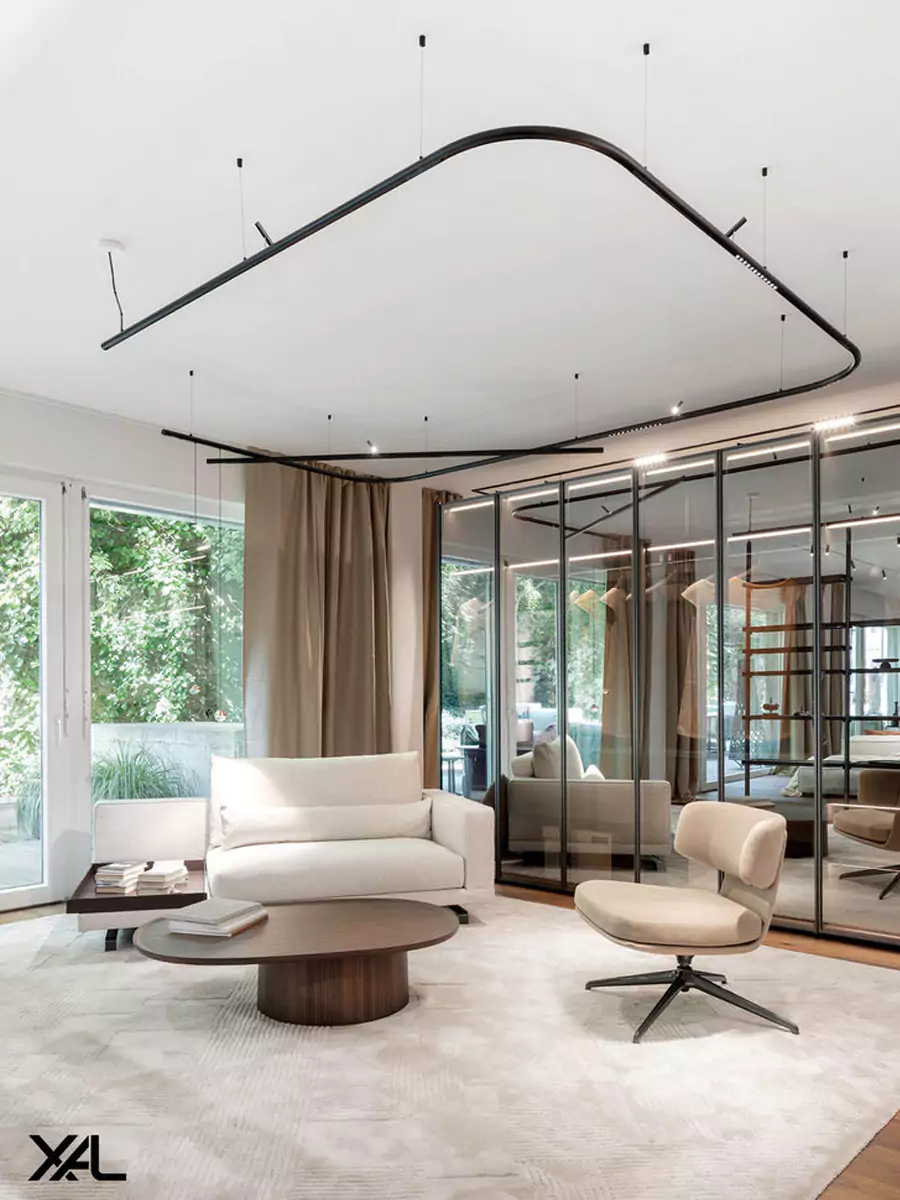
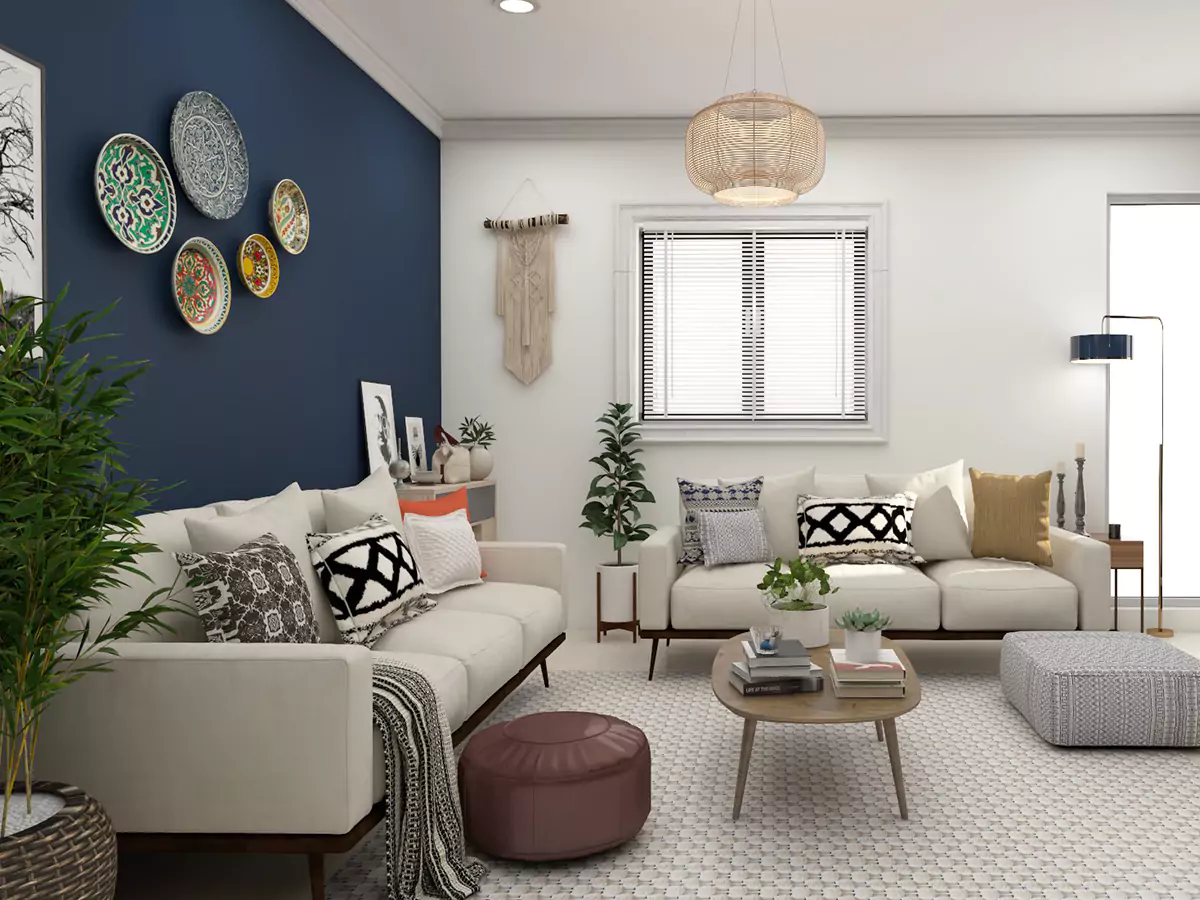
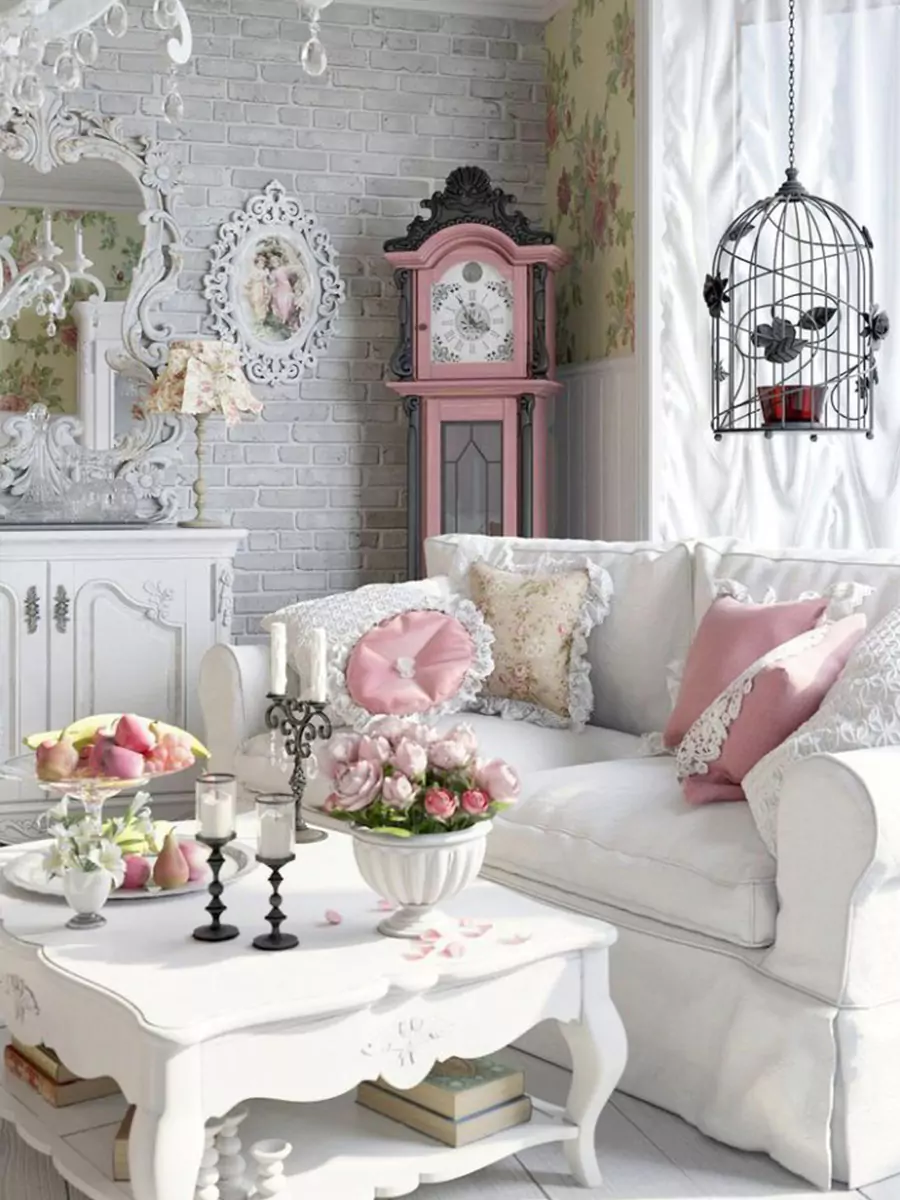
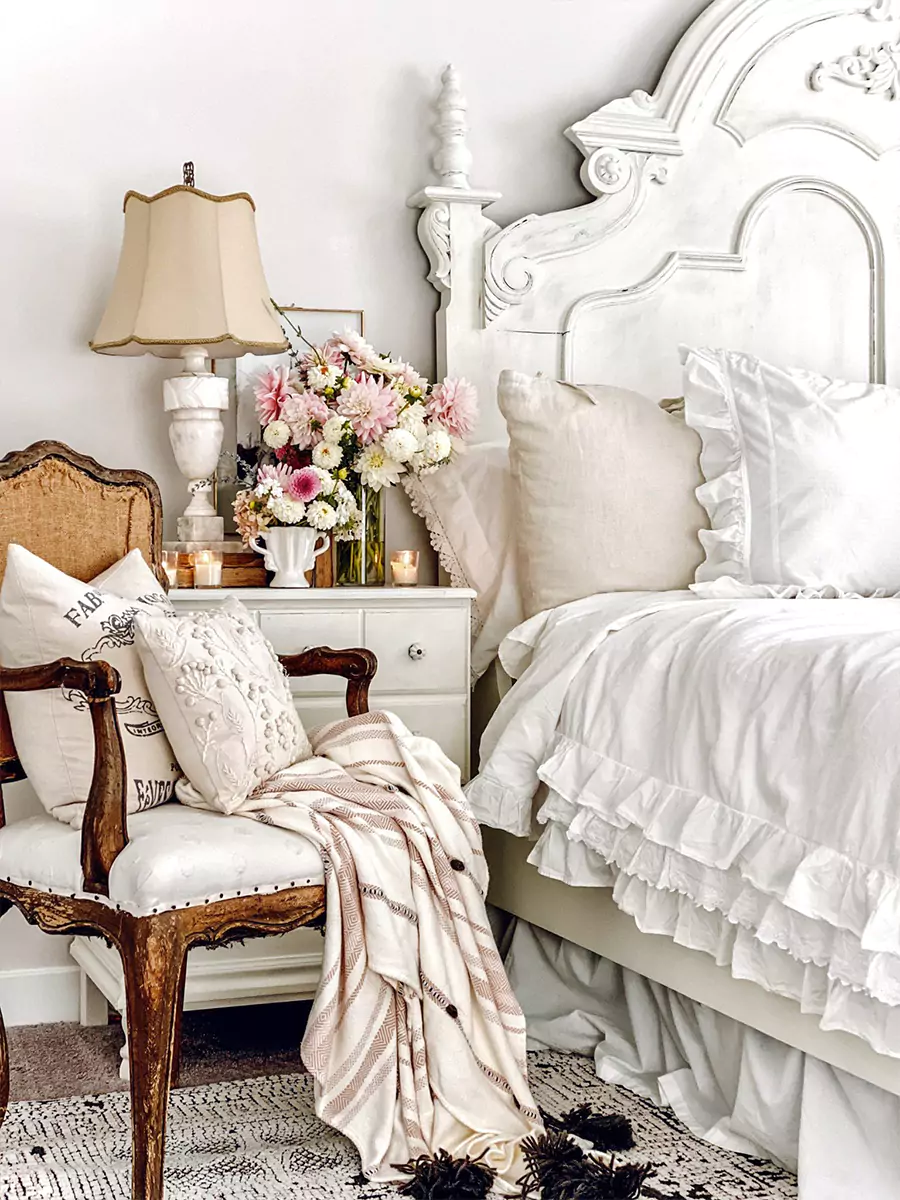
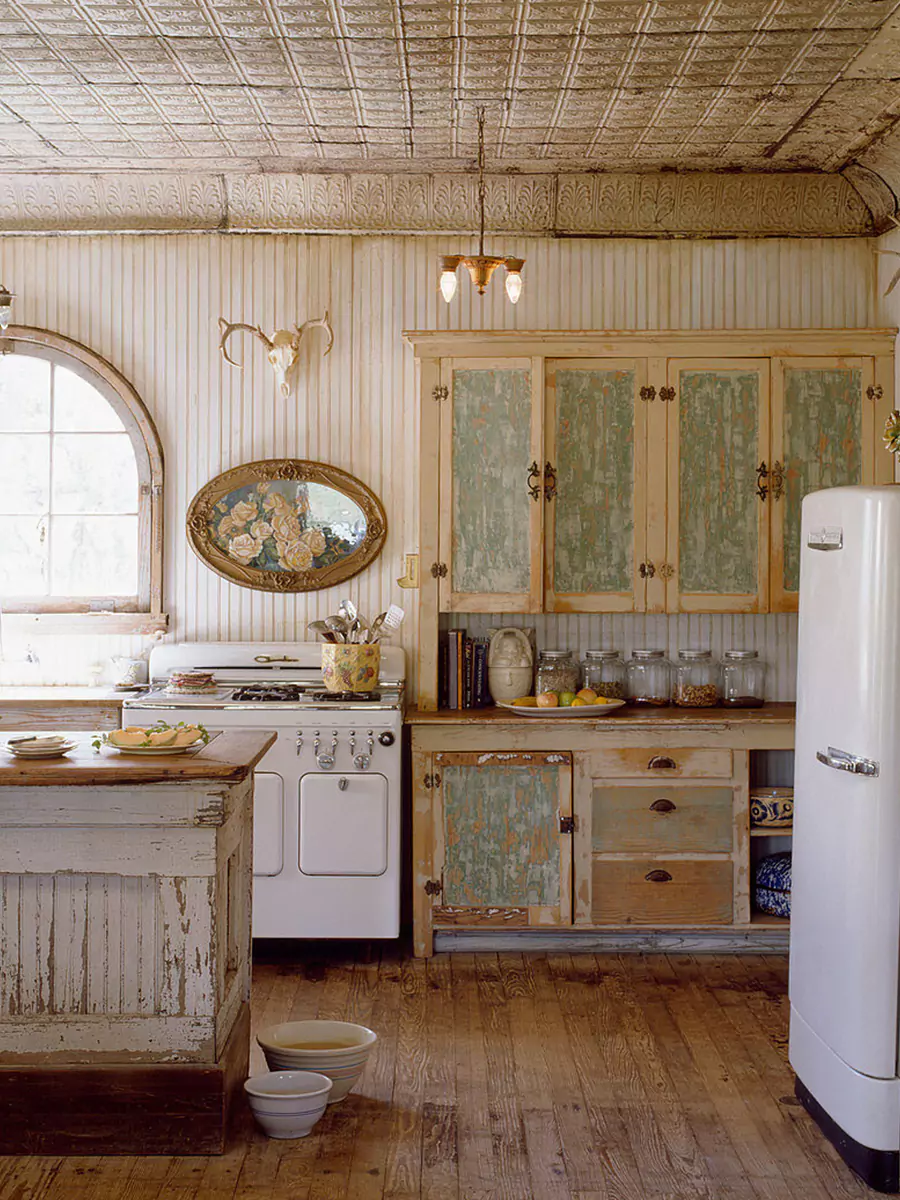
Retro, shabby chic, and vintage interior design styles have undergone significant transformations over the years. In the early 2000s, retro interiors often featured bright colors, bold prints, and a playful mix of aesthetics from decades past. Mid-century modern furniture with nostalgic details was popular, along with checkerboard floors and pop art-inspired decor. Pastel tones and floral patterns were common, evoking romantic and nostalgic feelings.
Today, these styles are combined with modern emotions. Retro-style interior design combines vintage elements, but is more refined and orderly. Instead of absolute patterns and bold colors, modern retro interiors prefer sophisticated furniture from the past, vintage style and modern touches. Retro style also implies a balance of high-quality details and antique or modern items. The goal of this style is to create a cozy, lively atmosphere while maintaining elegance and practicality. To achieve this, it is important to use textiles, natural lighting and antique decorations with great care.
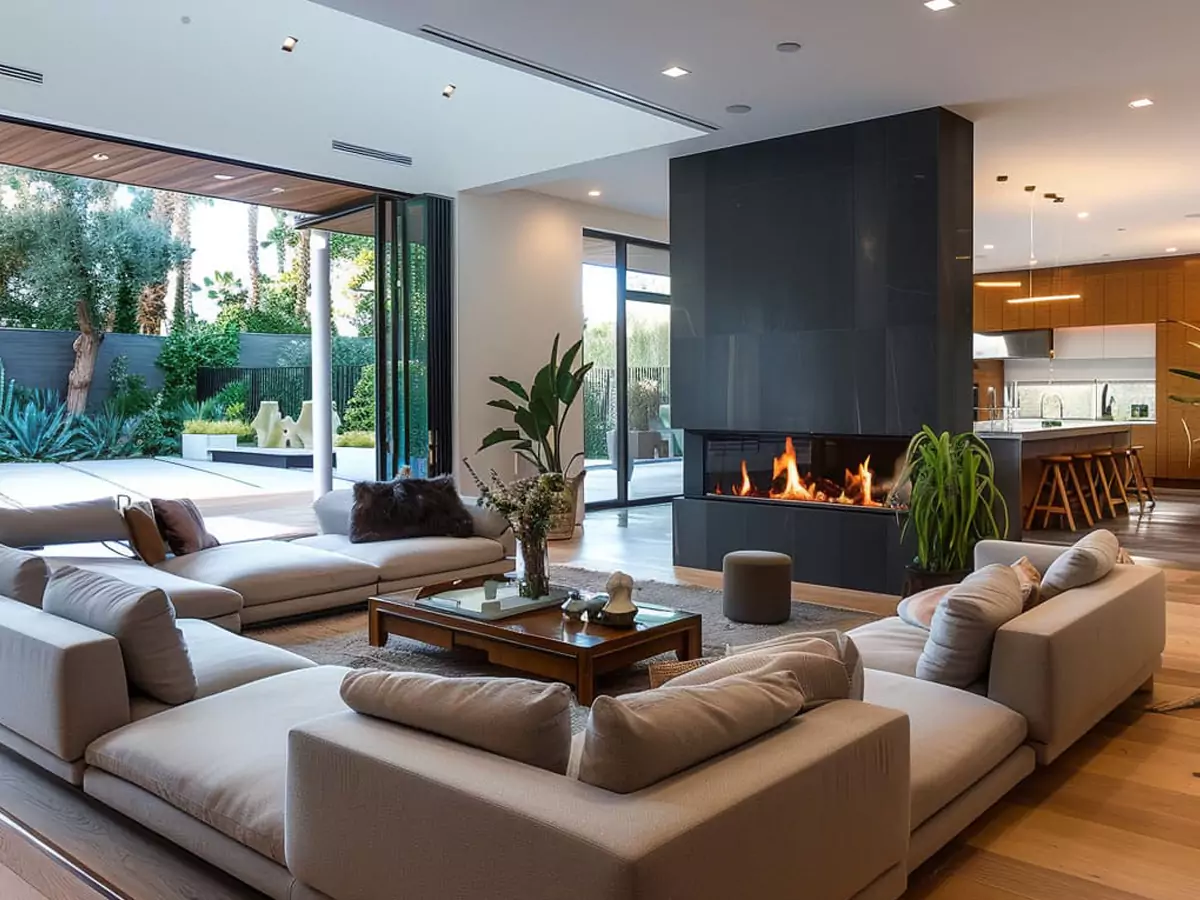
So interior design continues to evolve, reflecting our changing lifestyles and values. Whether it’s the grandeur of neoclassical interiors, the serenity of minimalist interiors, or the rendition of contemporary spaces or retro and vintage styles, interior design plays a crucial role in creating the character of a home. The last two decades have shown that trends are ever-changing, but the essence of interior design lies in creating spaces that enhance everyday life and provide comfort and functionality.
If you want to create an interior design that best suits your personality and style, visit our interior design services page, and we will help you create your dream interior.
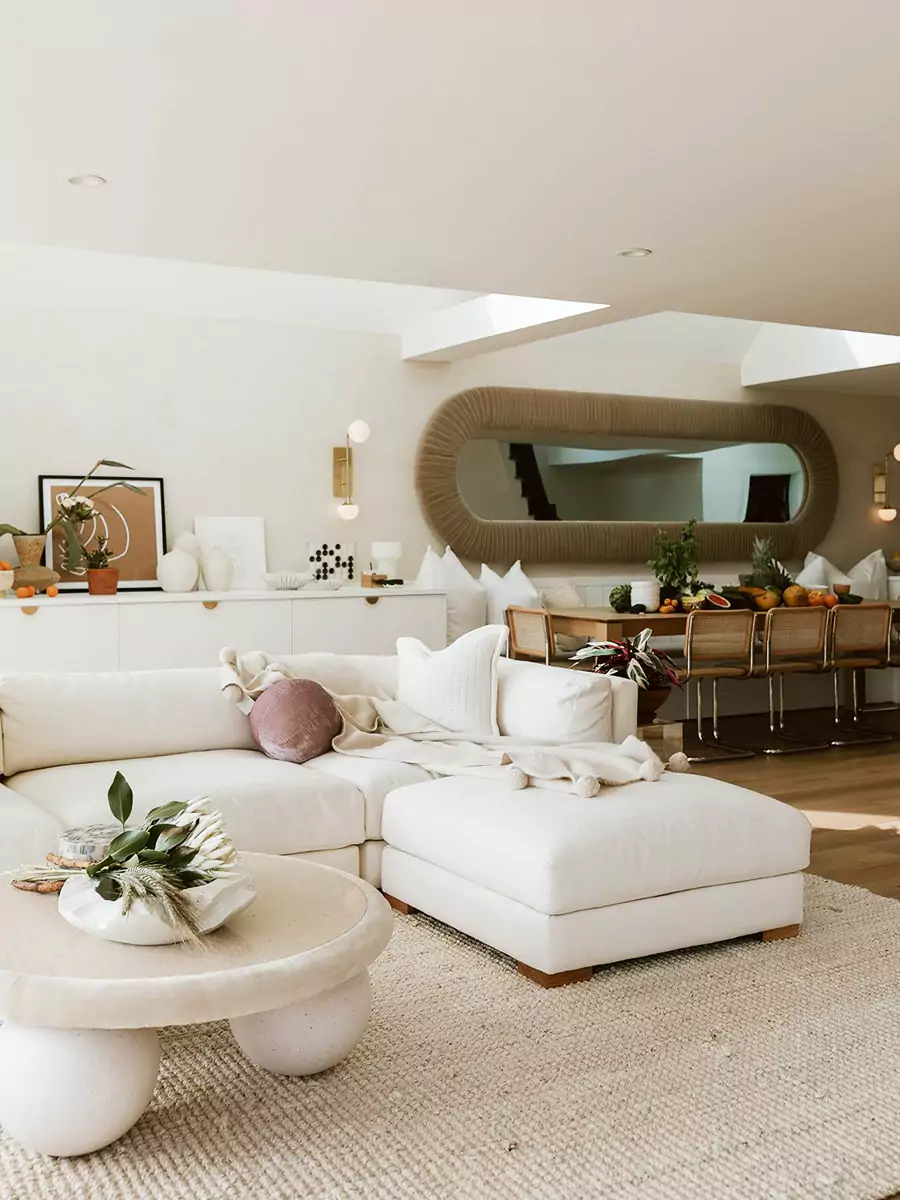
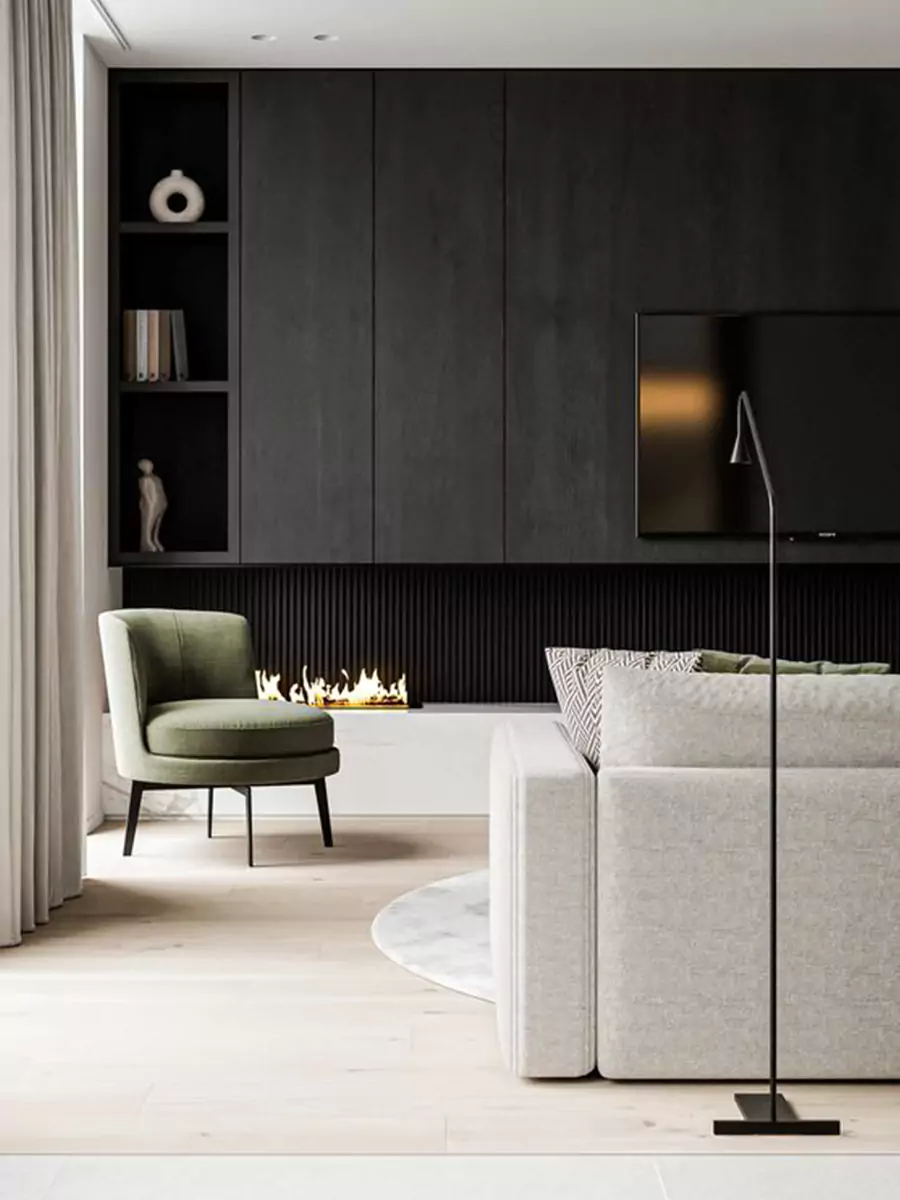
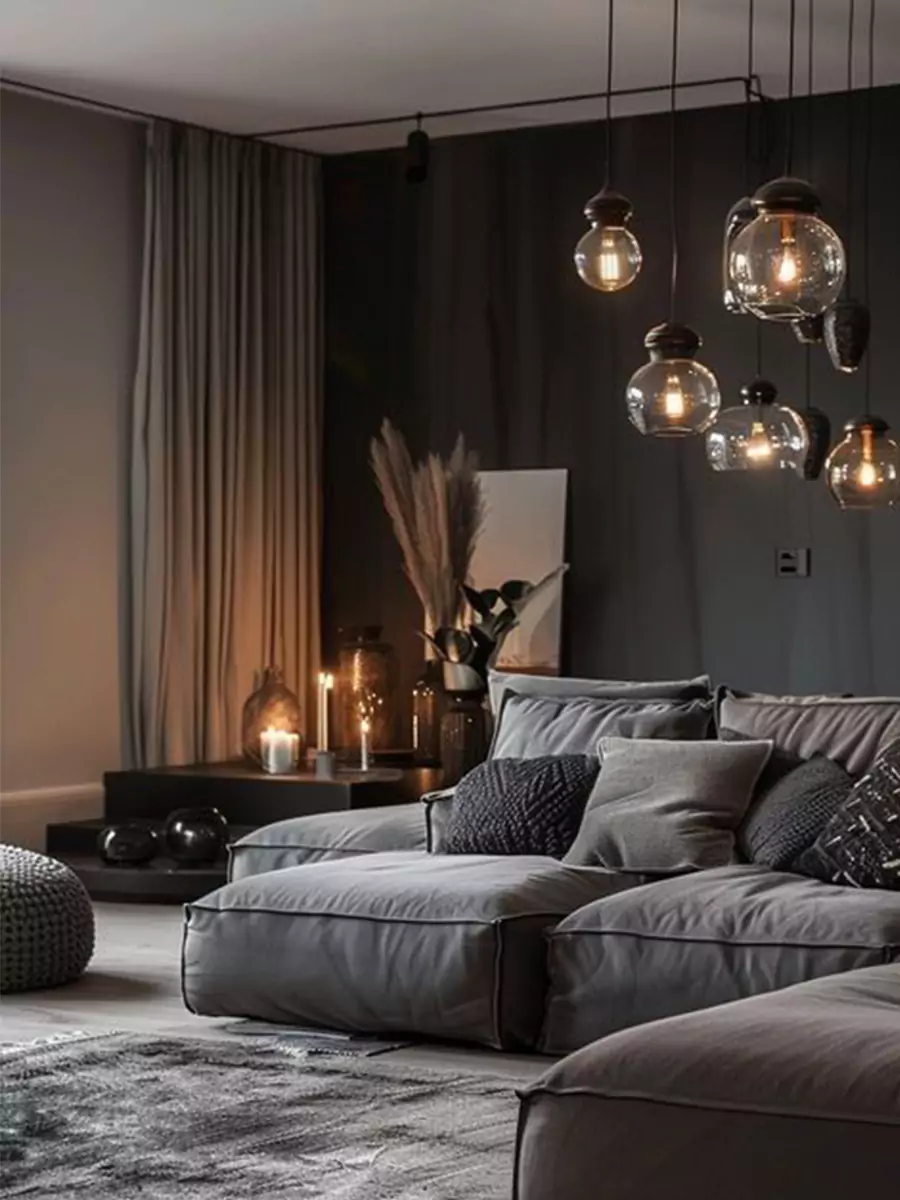
You are probably in the process of renovating your home, and you will inevitably have questions. If you did not get all the answers from the blog, we offer flexible services during the home renovation process:
Optimal arrangement of furniture and appliances
Designer's palette selection
Consultation on the selection of materials to be used