
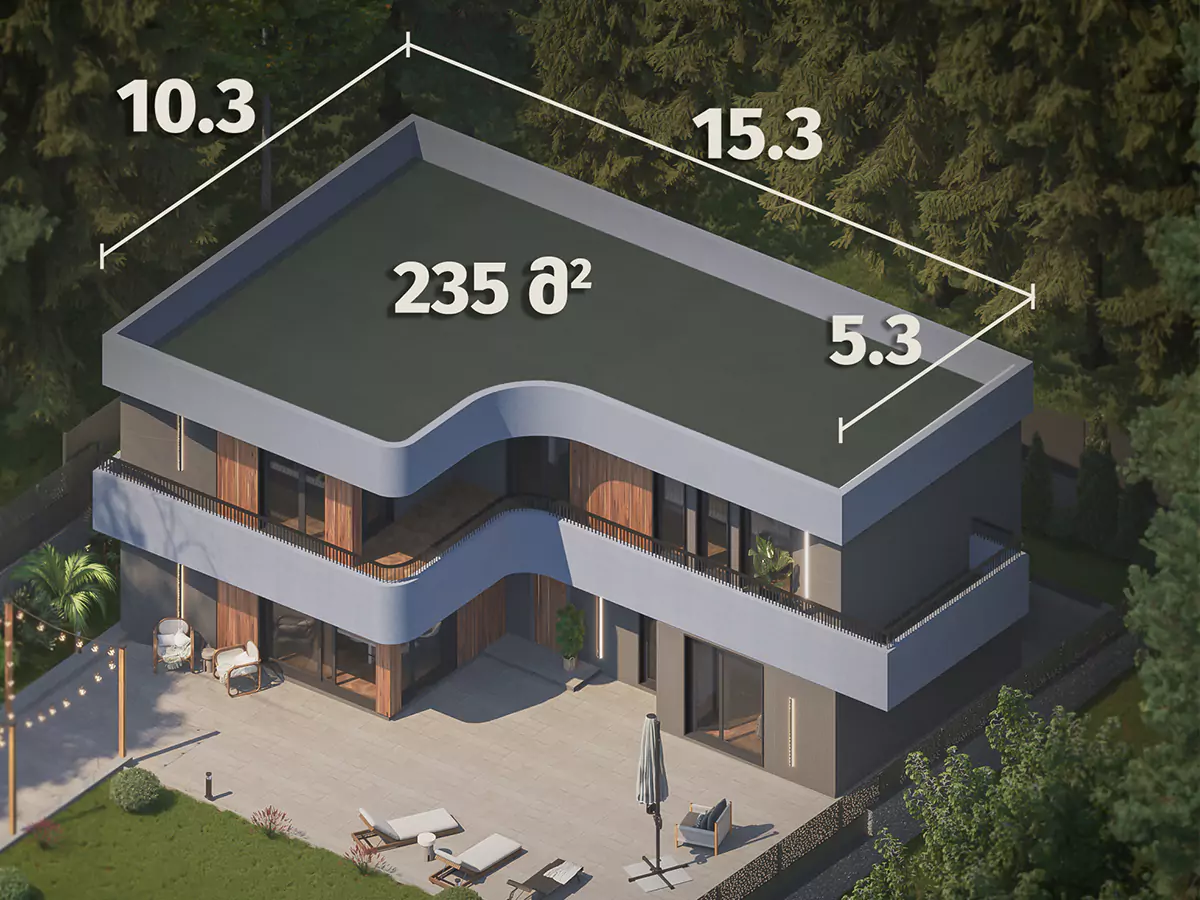
Learn how to plan a private house project correctly. Discover the main stages - from determining requirements to construction, preparing permits and estimates. Create a comfortable and functional living environment.
Table of contents:
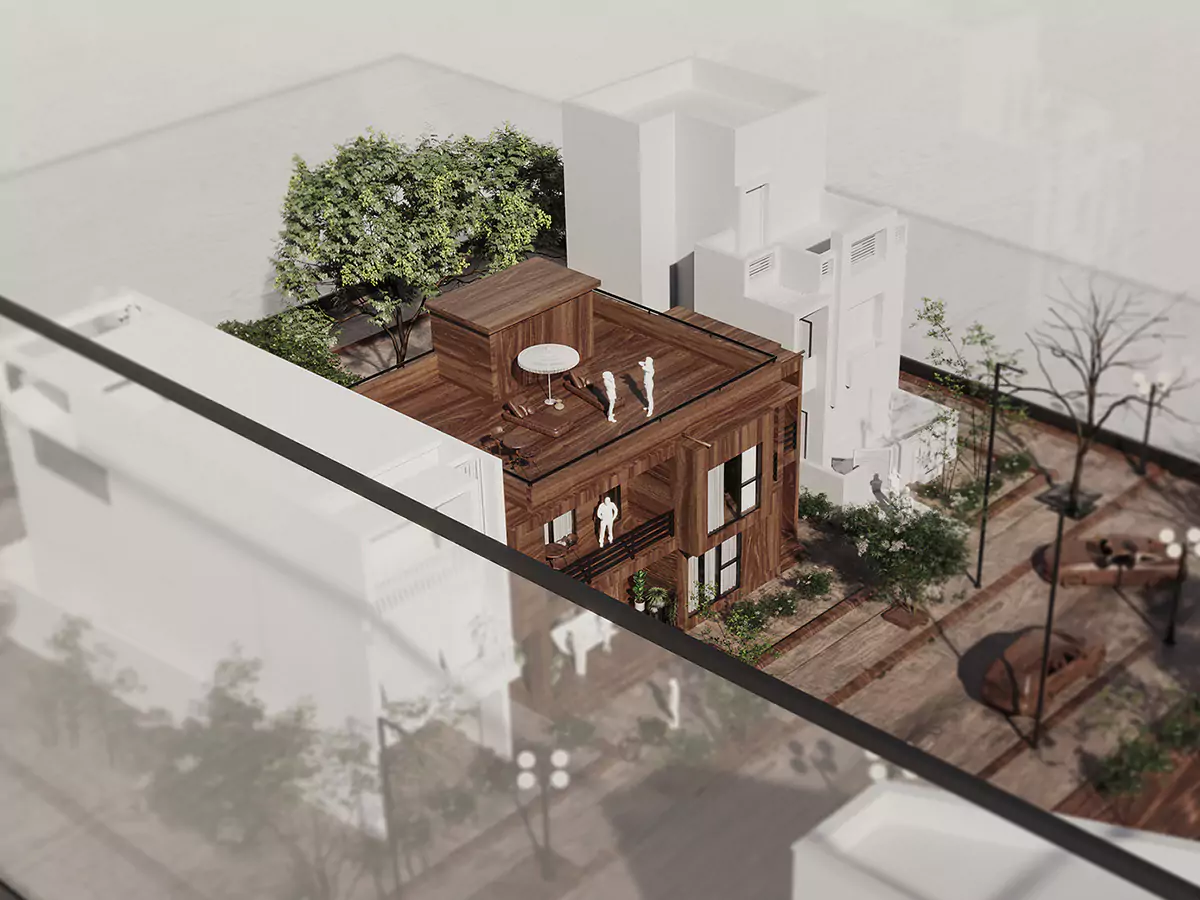
A home design should be fully tailored to the lifestyle, needs, and aesthetic preferences of the owners. It is important that the spaces are functionally planned and comfortable to meet the needs of all family members.
Detailed planning: When designing a home, it is important to consider the needs of each family member. For example, if there are children in the family, it is desirable to create safe play areas; if a family member works from home, it is necessary to arrange a comfortable work area.
Define functional areas: When planning spaces, consider their functional purpose. For example, a kitchen can be combined with a dining room to create a larger, more comfortable space.
Aesthetic preferences: Home design should reflect your personal style. The color palette, choice of materials, and decorative elements should be selected according to your taste.
Establish initial requirements and visions that you will later use in communication with the architect.
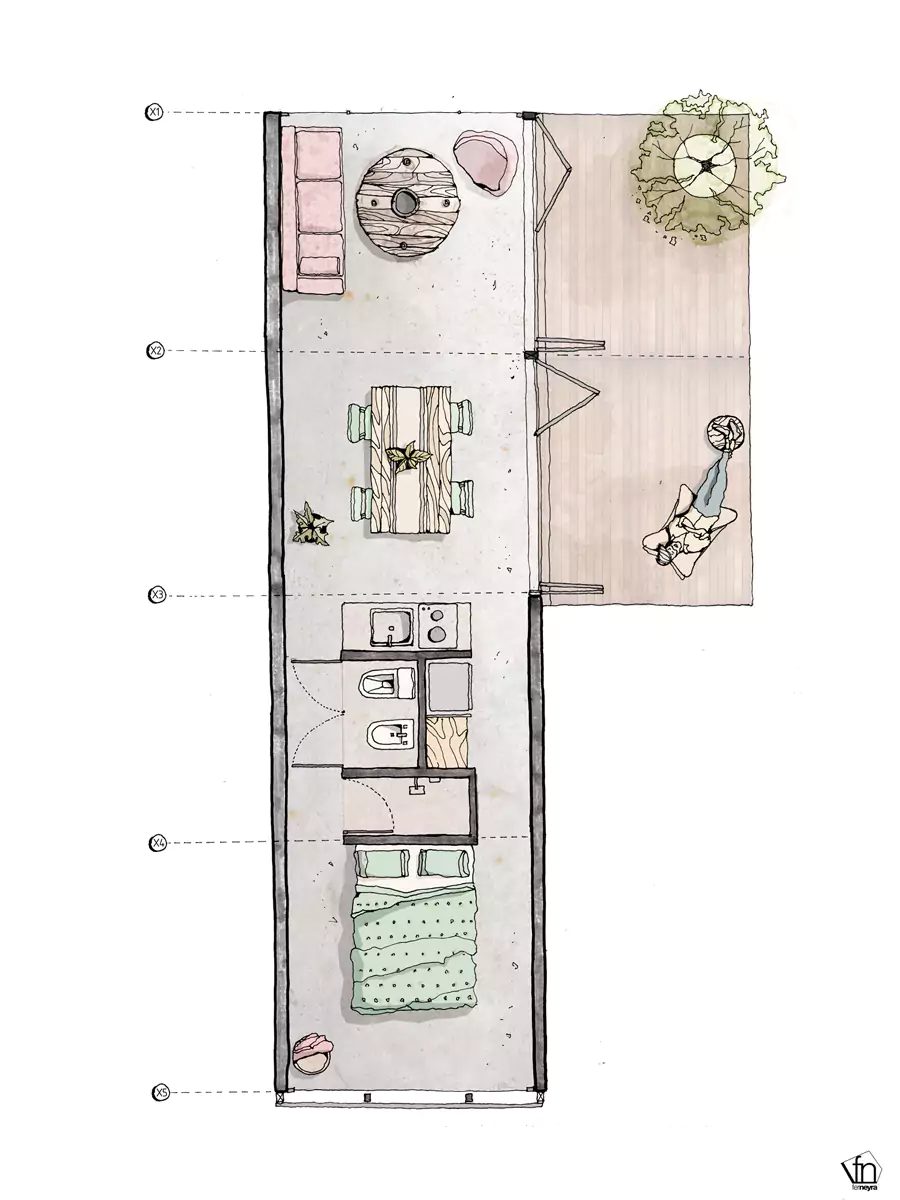
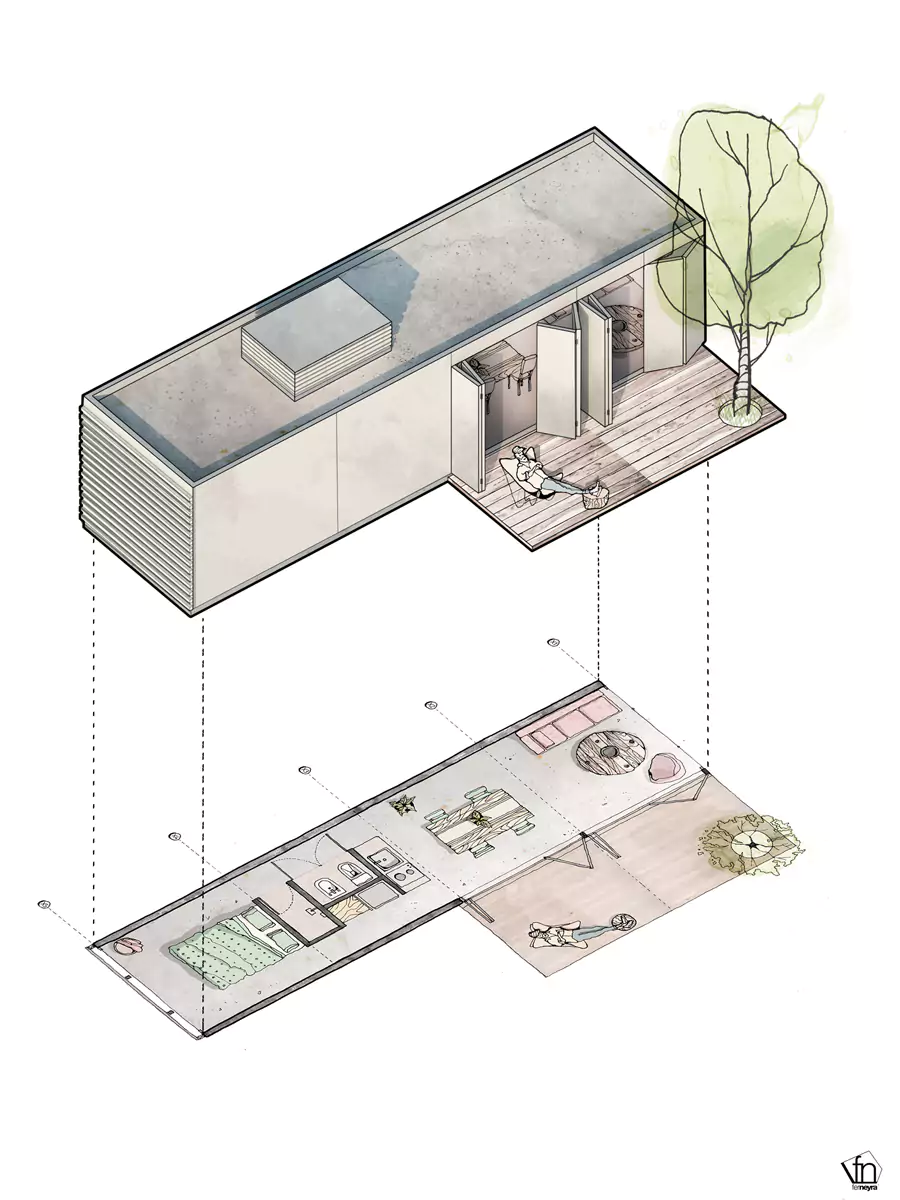
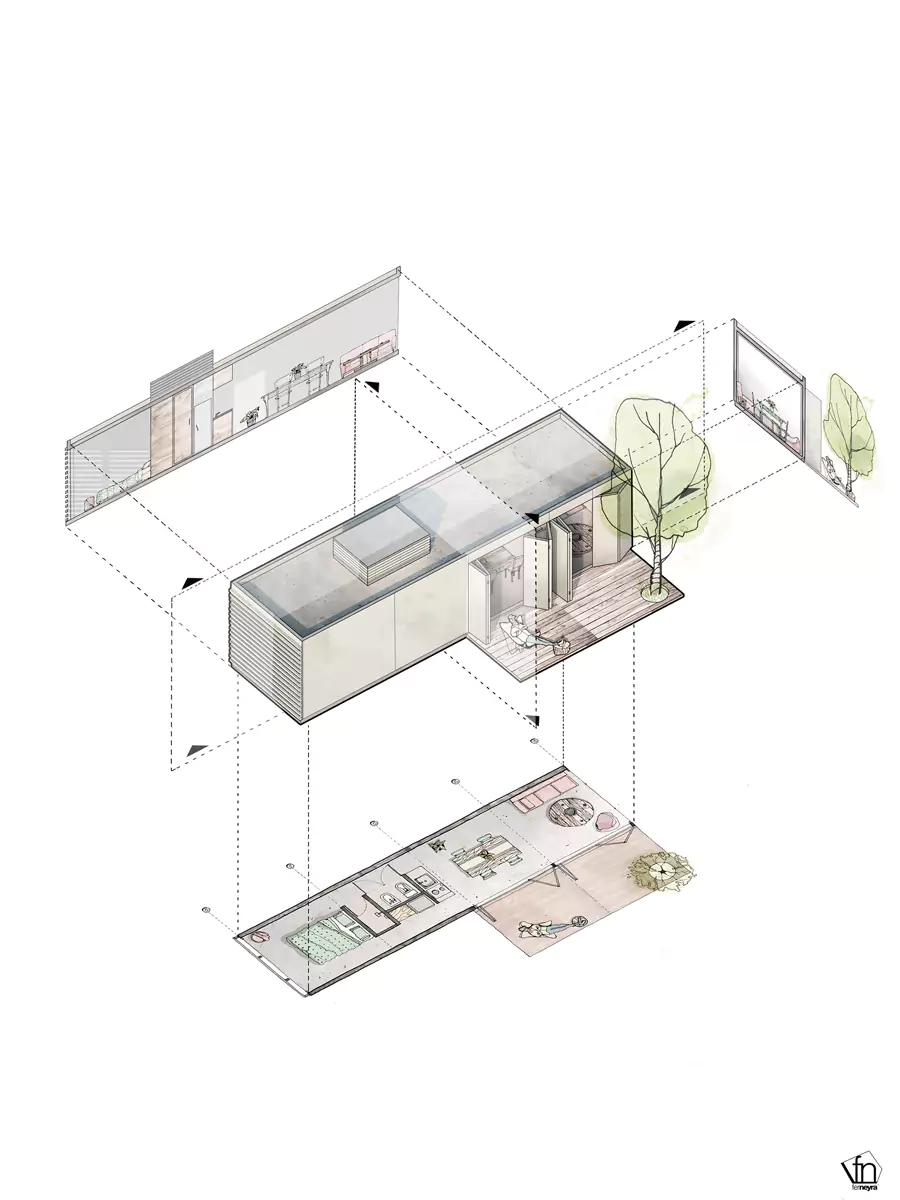

Choosing professionals is a prerequisite for a successful project. Their correct choice ensures that the house is not only visually appealing, but also structurally sound and budget-friendly.
The role of the architect: The architect not only designs the house, but also ensures that the project complies with building codes and standards. His experience and professionalism are important for the realization of your ideas. He must be able to establish in-depth contact with you and accurately convey your ideas.
Constructor: Ensures the structural stability and safety of the building.
Cost calculator: Helps you control costs and avoid budget overruns.
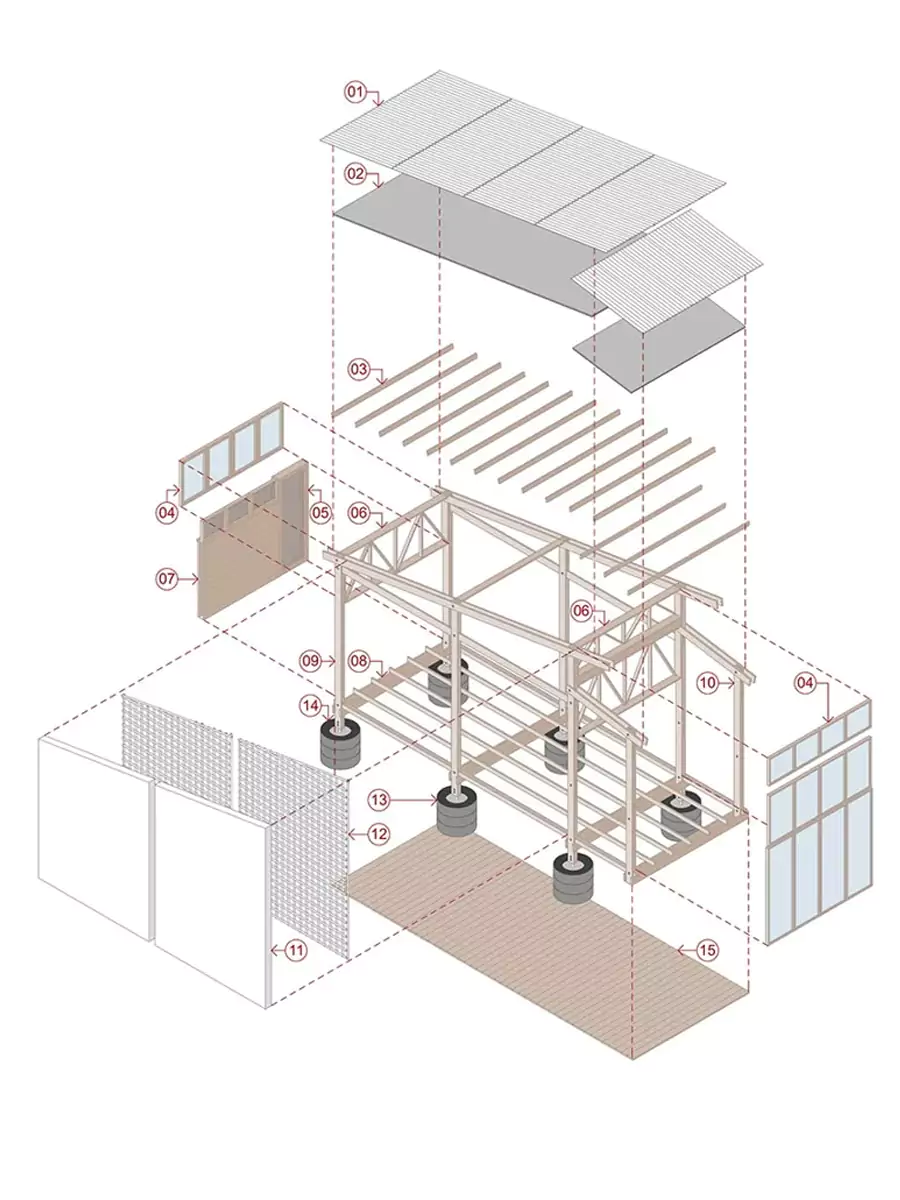
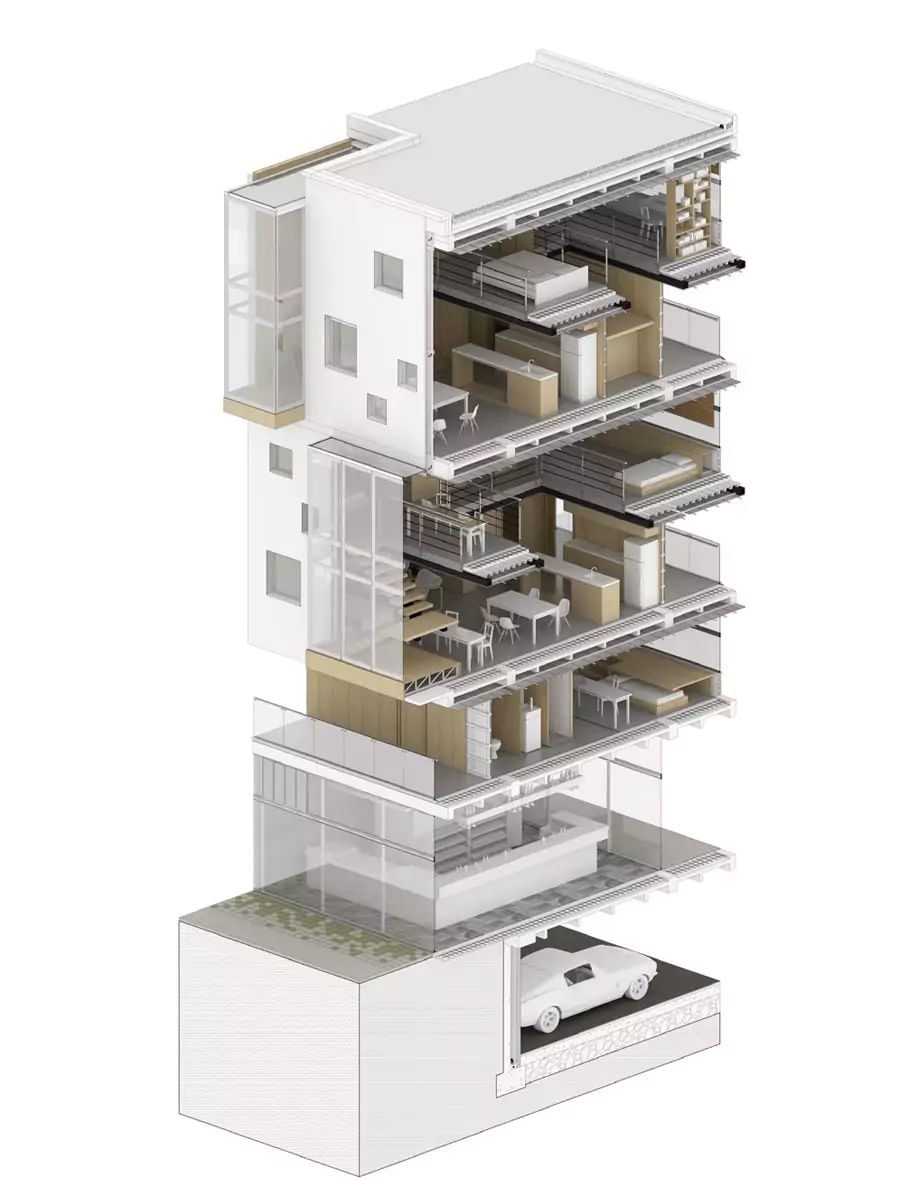
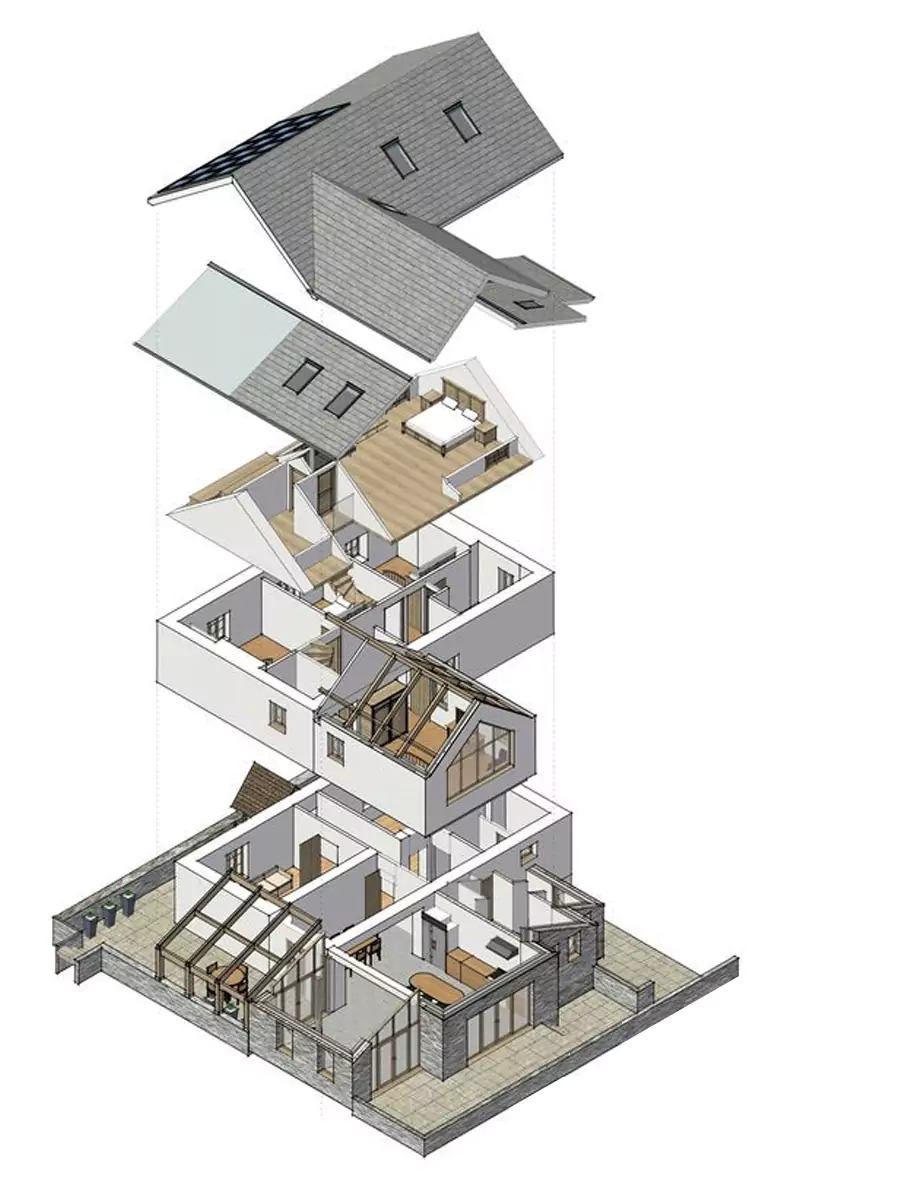
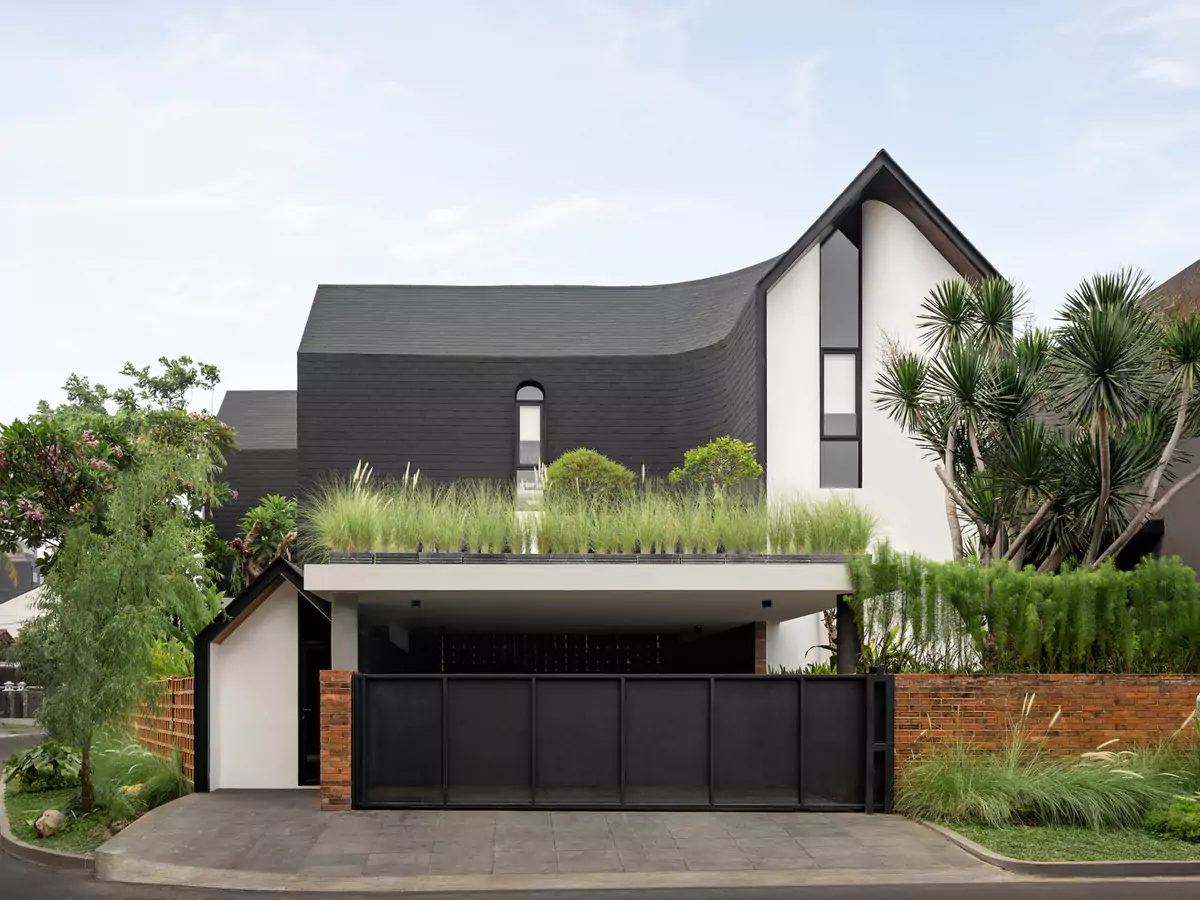
A private house project requires a predetermined budget. Detailed planning of expenses and consideration of possible additional costs will help maintain financial stability and avoid unexpected problems.
Budget planning: The design of the house directly affects the cost of construction, so it is necessary to determine your financial capabilities in advance. For example, if you have a budget for construction, it may turn out that the price of certain materials has increased during the construction process. Because of this, you need to be able to make changes - save on some less important elements in order to maintain high quality of the main structure.
Future expenses: Consider municipal council tax, home operating costs such as utilities, maintenance costs, and more.
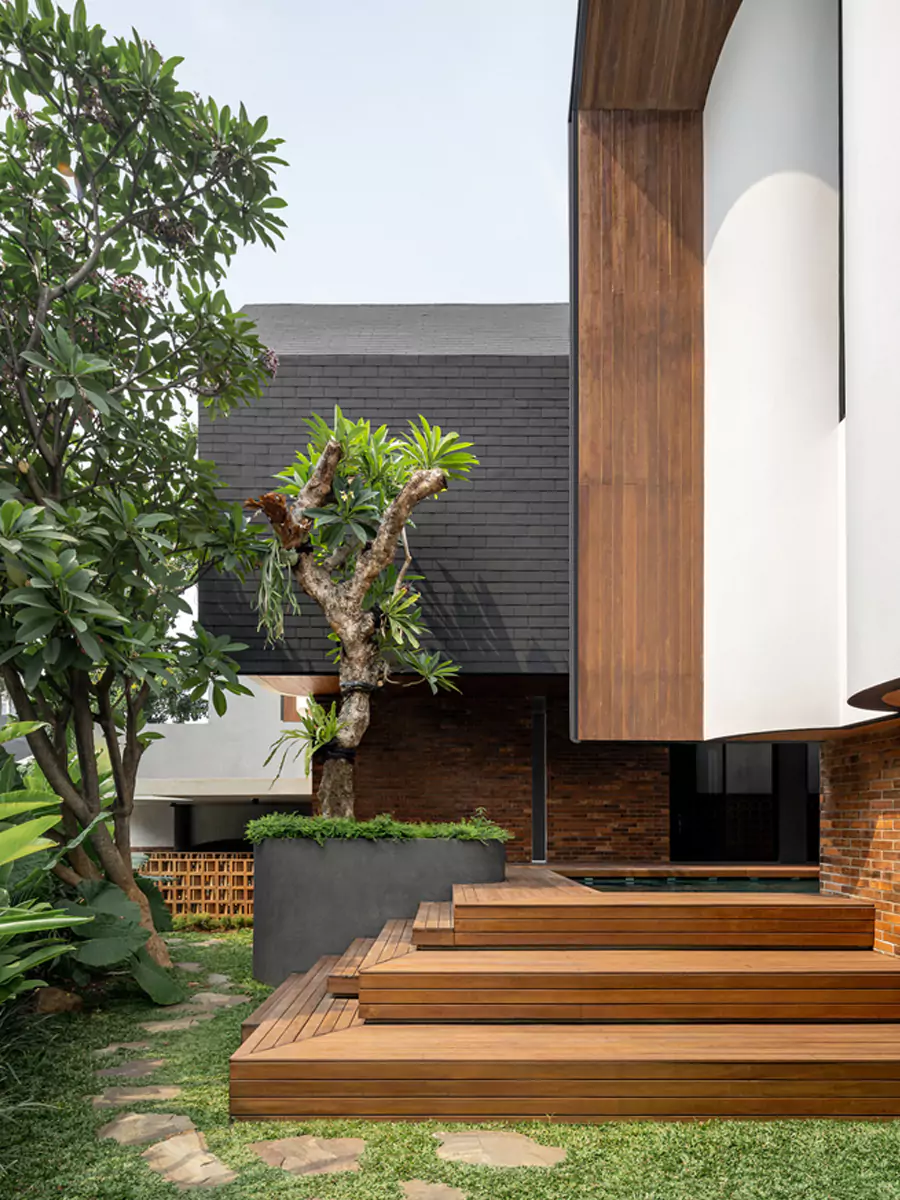
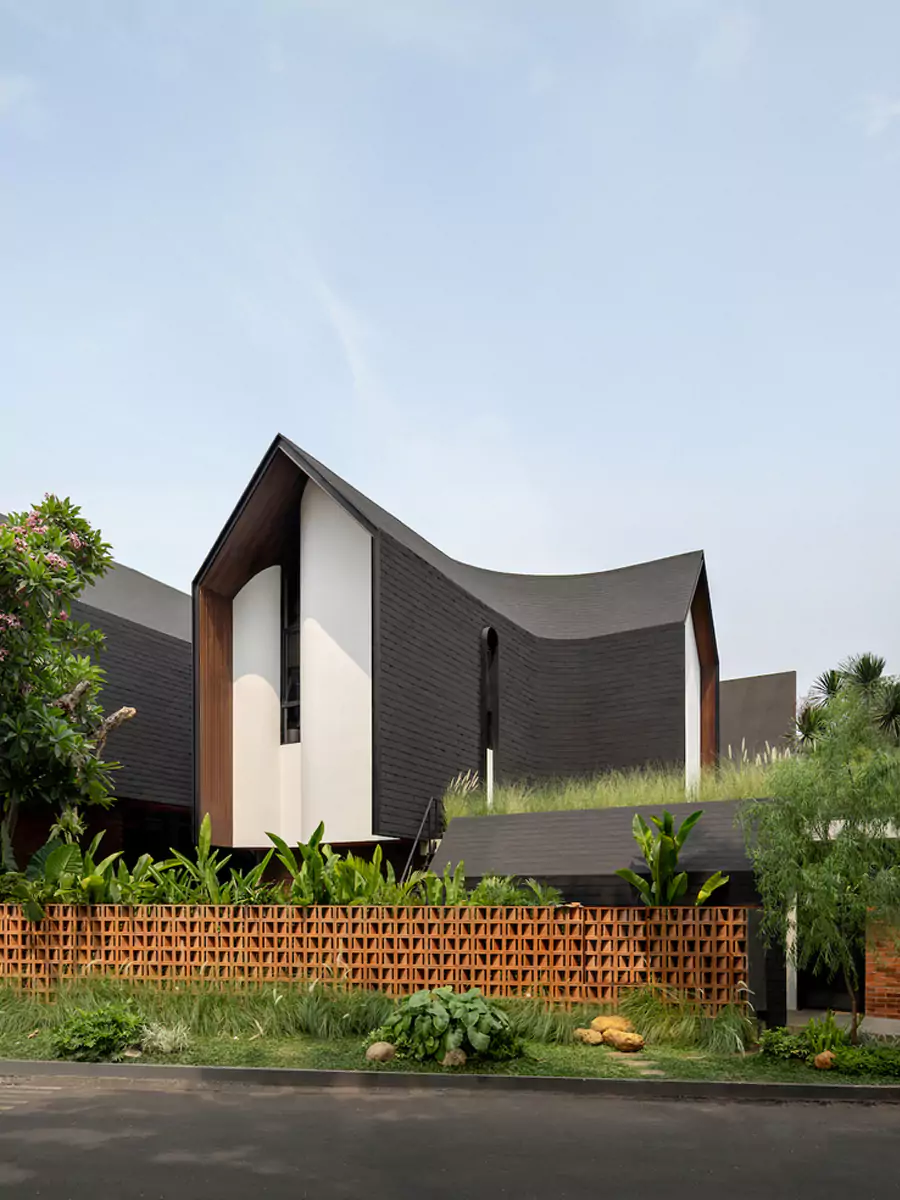
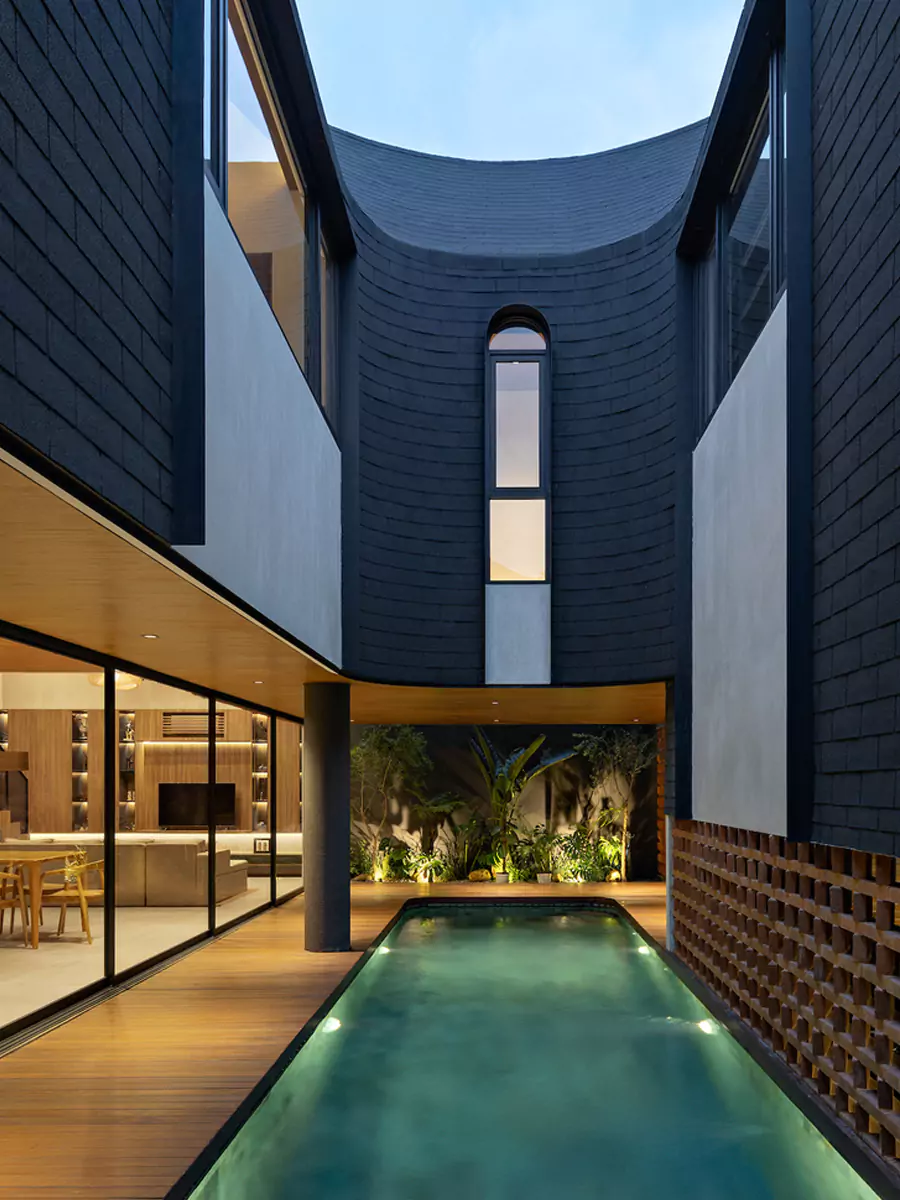
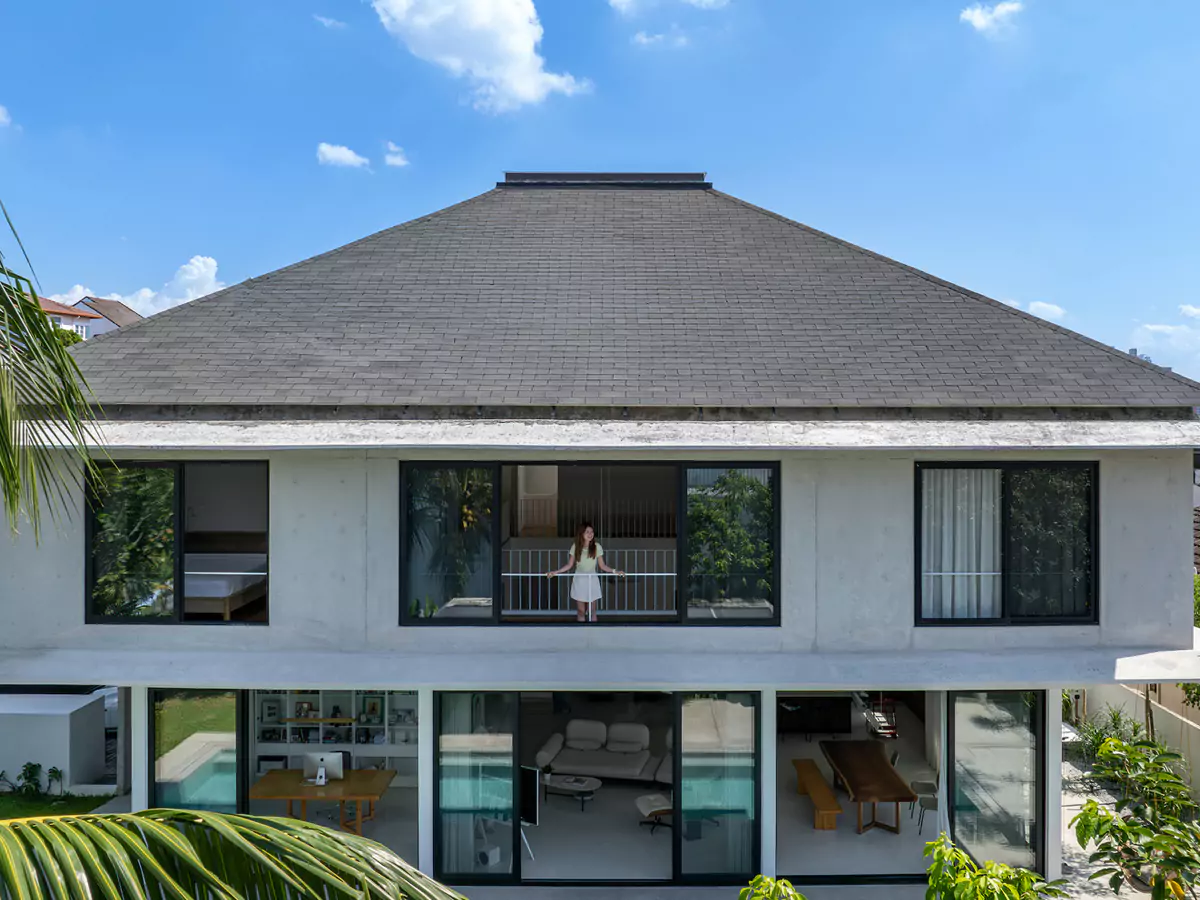
In order to save time, it is recommended that the preparation of documents required for obtaining a construction permit be carried out in parallel.
Initial land surveying and timely documentation are critical to the smooth running of the project. Preparing all necessary drawings on time will ensure a smooth process and avoid potential legal issues.
Required documentation for this:
Topographic plan: A depiction of the relief and dimensions of a plot of land.
Geological survey: determination of soil type and stability.
Transportation schemes: Representation of the transportation movement scheme of the surrounding infrastructure.
Conditions for using the land plot for construction: Data established by the municipality
Legal requirements: The construction permit issuance process is regulated by Resolution No. 255 of the Government of Georgia, which determines the rules and conditions for issuing permits.
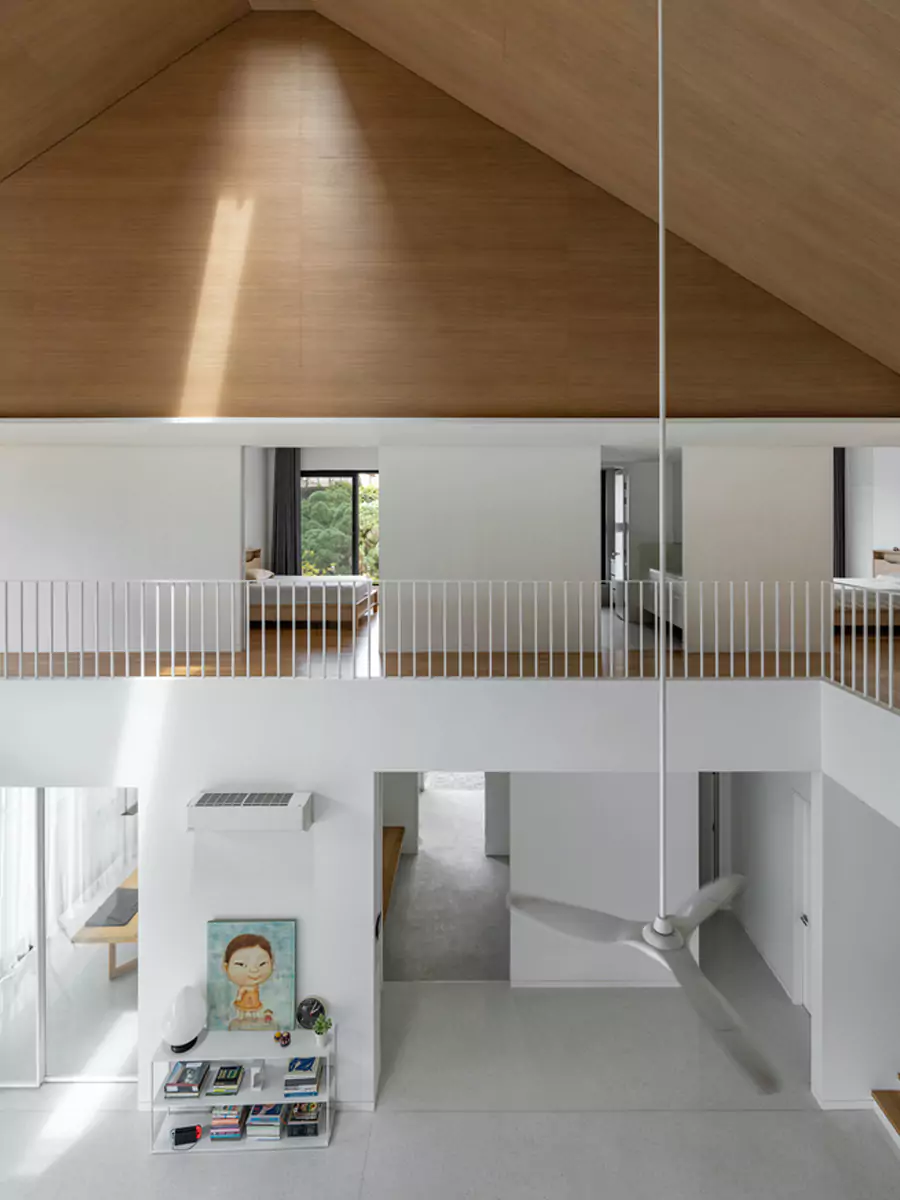
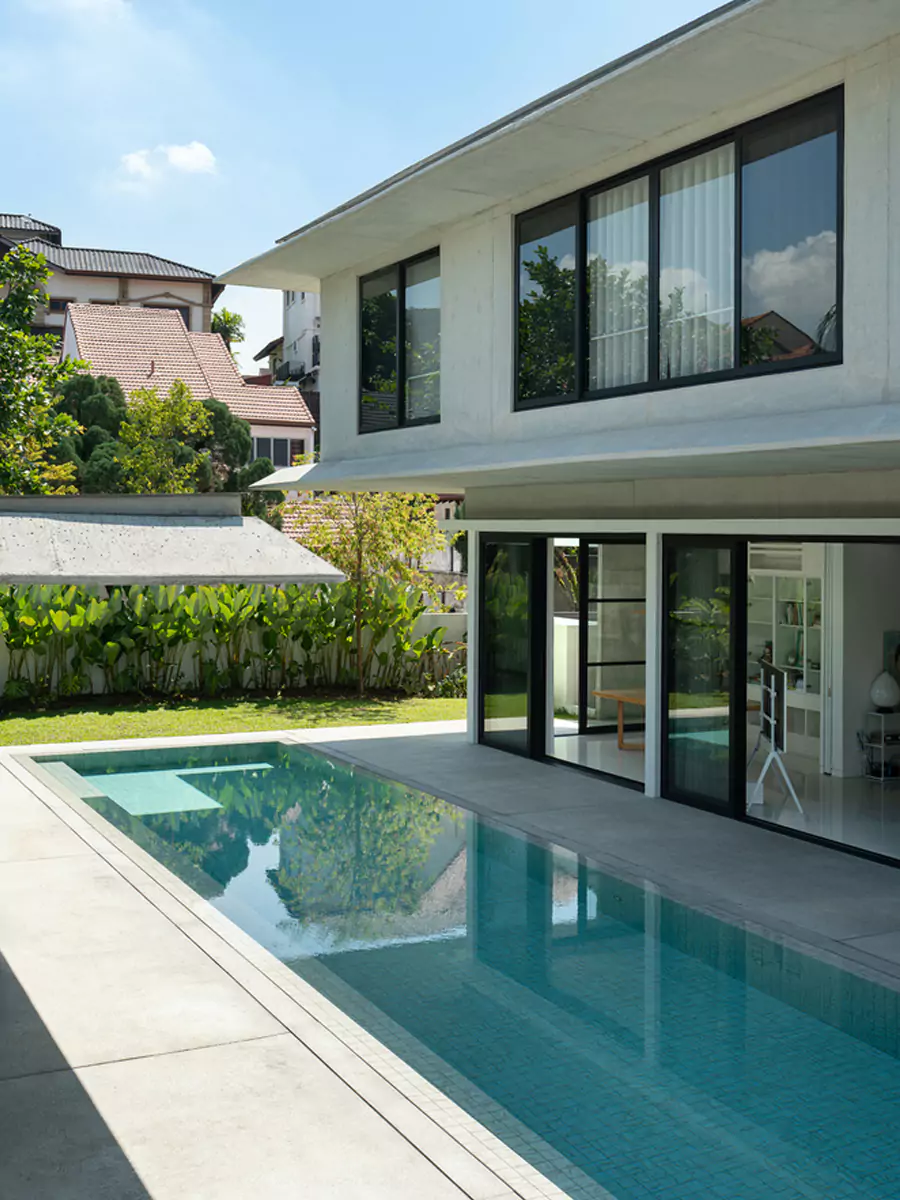
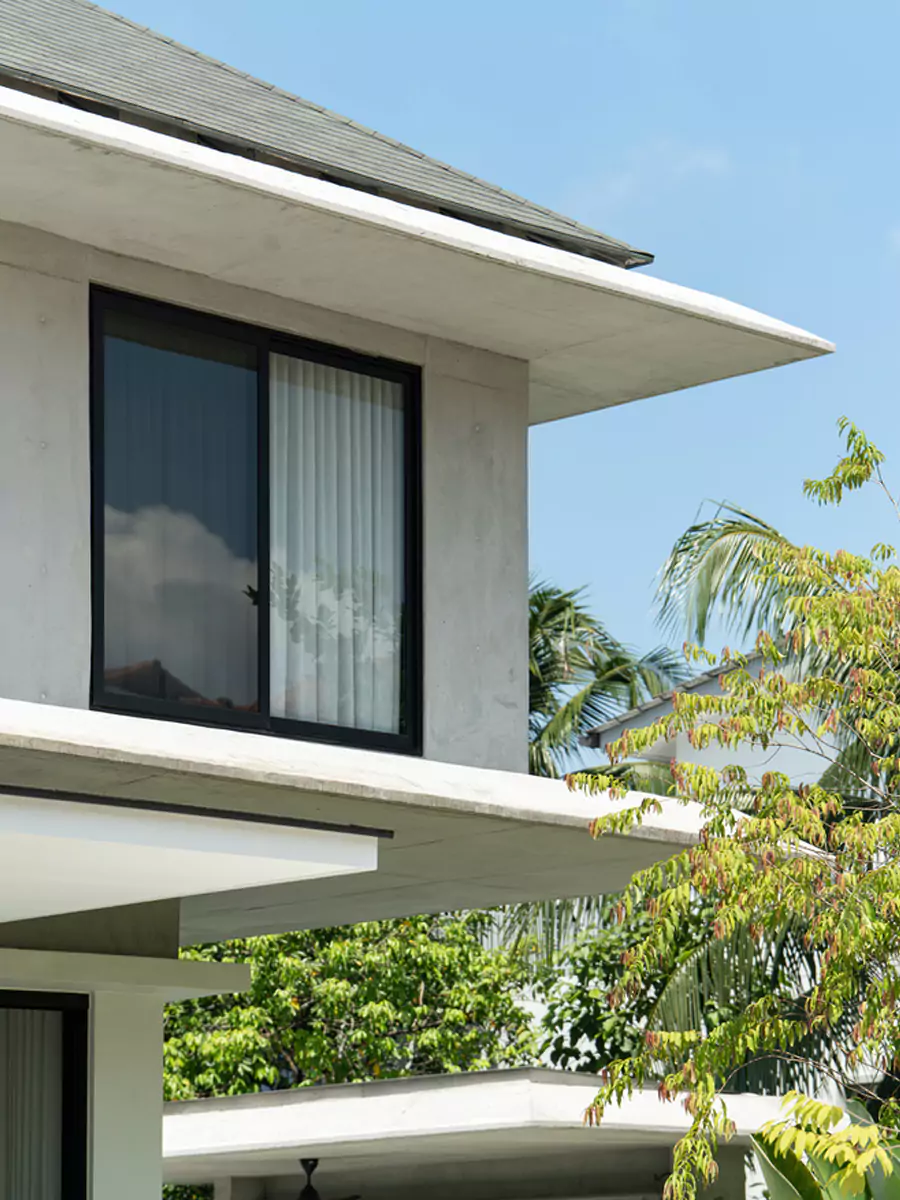
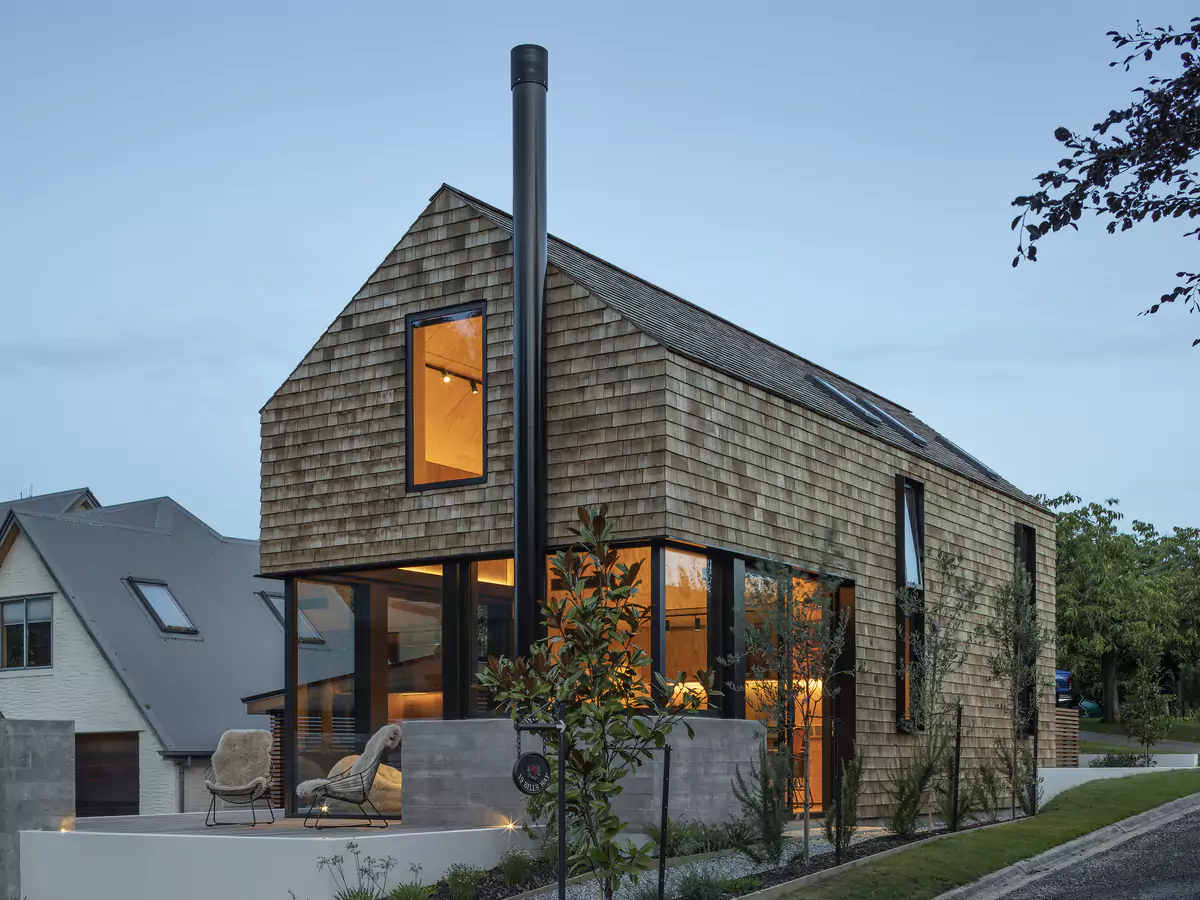
Detailed cost estimates are important for the efficient allocation of financial resources.
After you bring the project together with the architect to the point of calculating the costs. It is necessary to draw up a construction estimate . This document describes in detail:

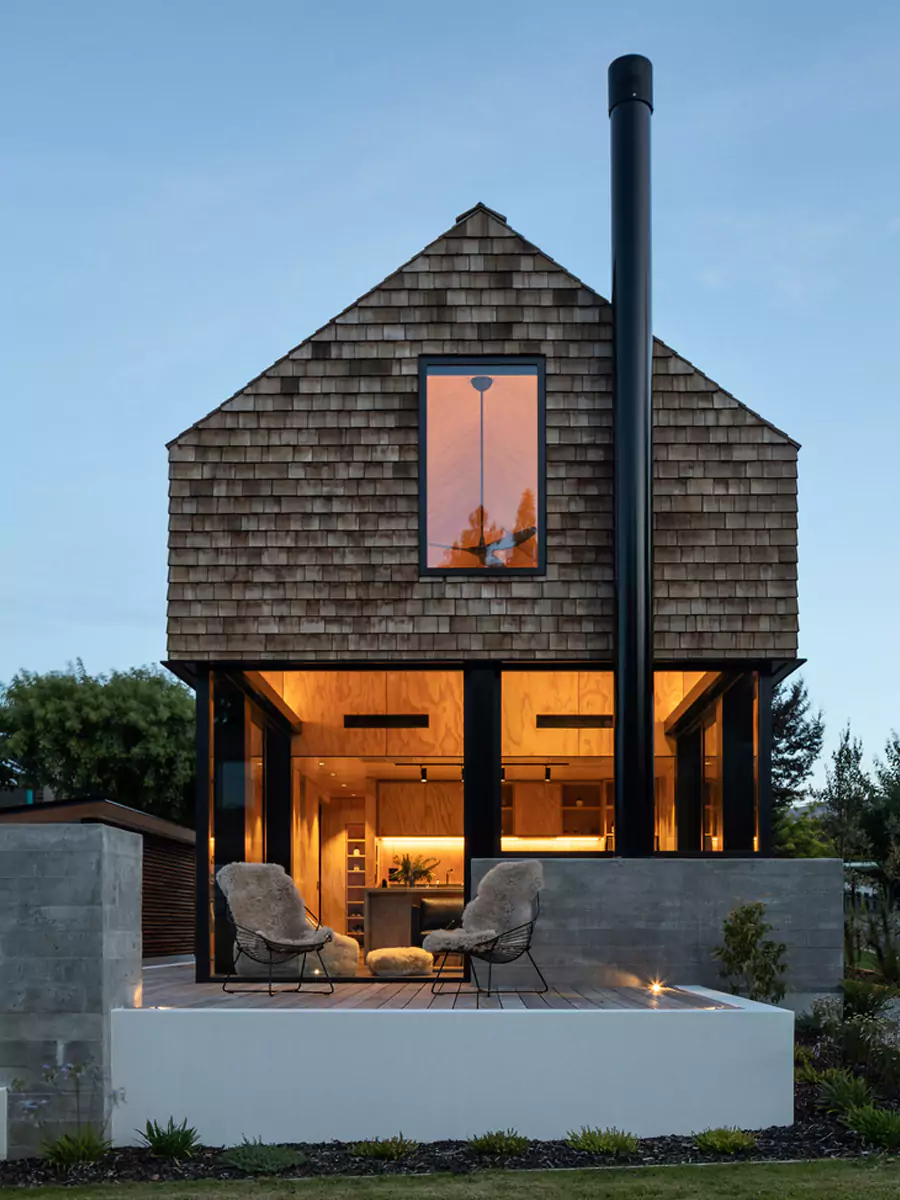
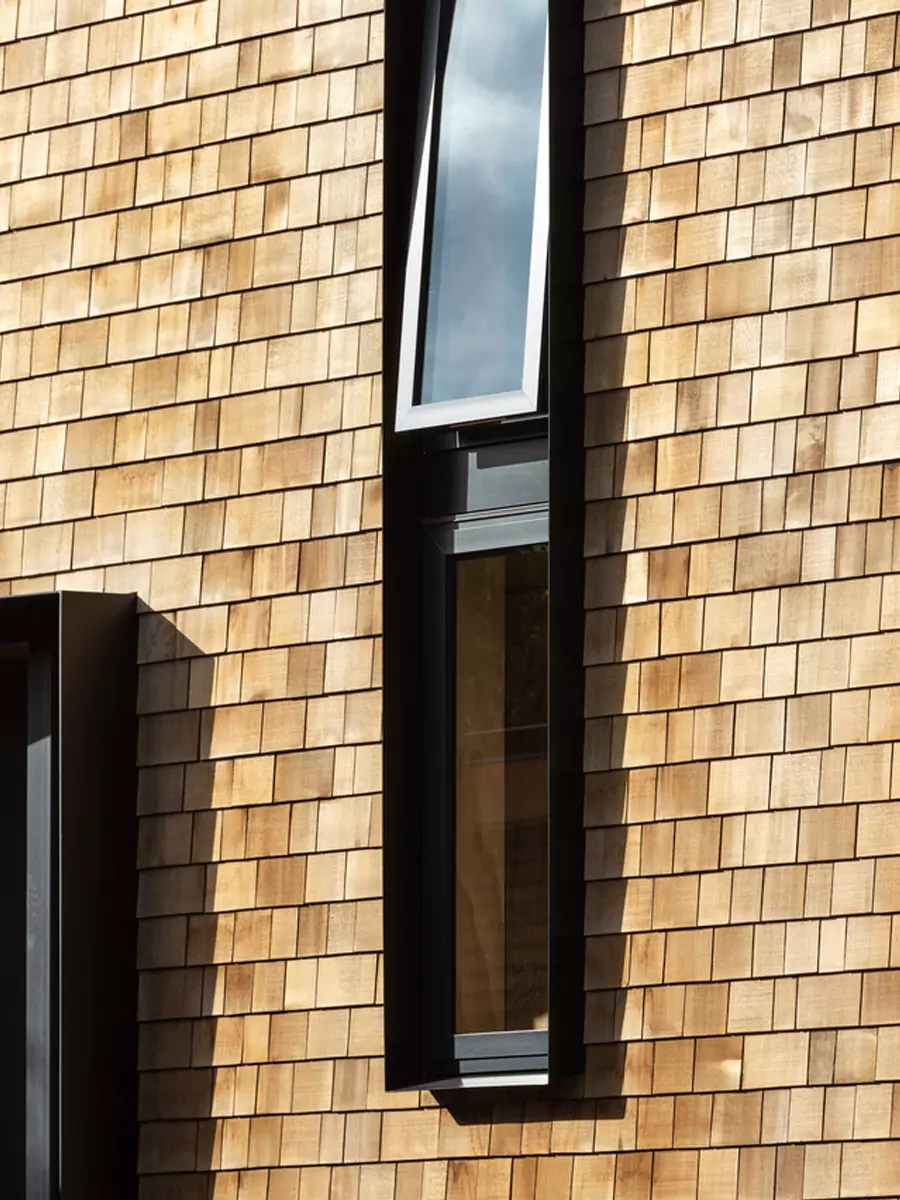
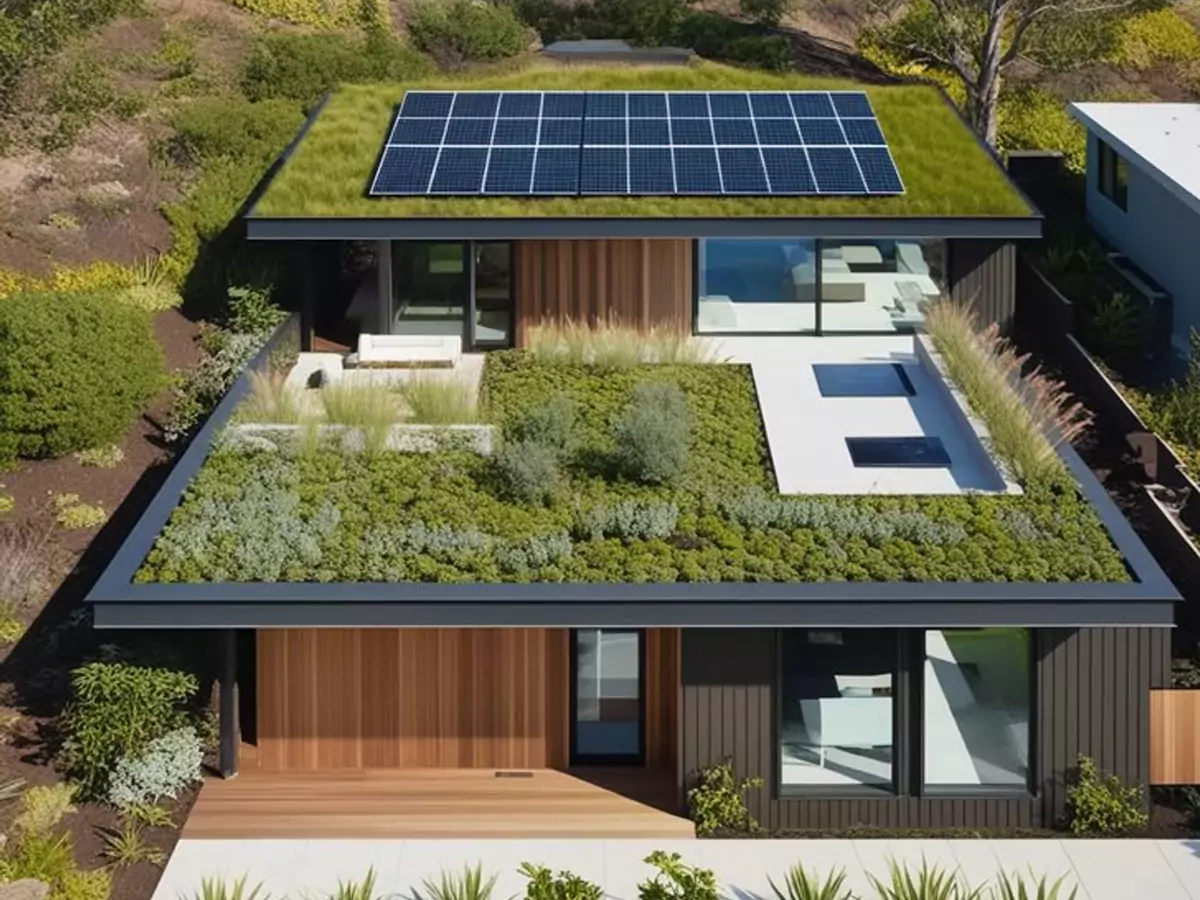
A modern home design should incorporate energy-efficient and environmentally sustainable solutions. Proper insulation, renewable energy sources, and water-saving systems help reduce costs and care for the environment.
Insulation: Quality thermal insulation reduces energy consumption and ensures a comfortable temperature in the home.
Renewable energy sources: Using solar panels or other alternative energy sources reduces utility costs and environmental impact.
Water-saving systems: Rainwater collection and use systems reduce water consumption and costs.
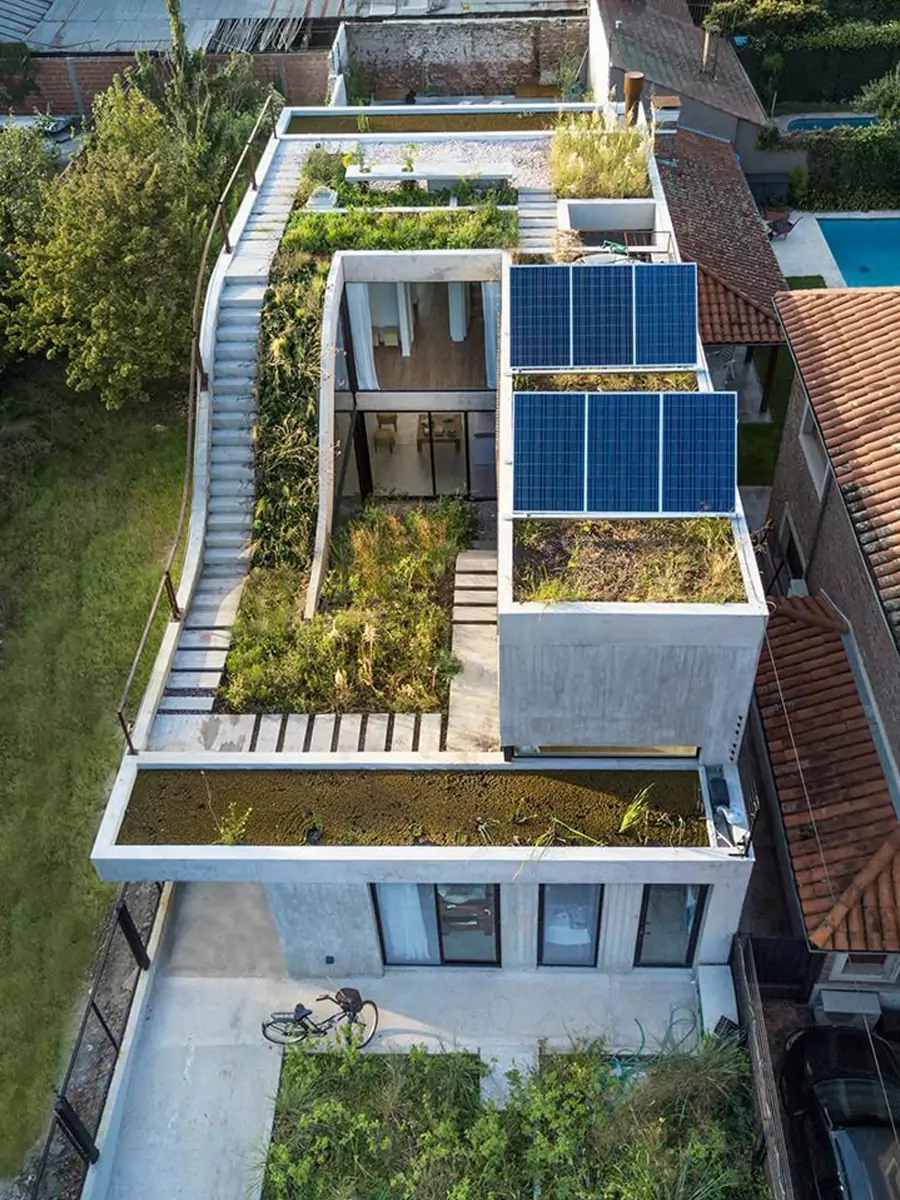
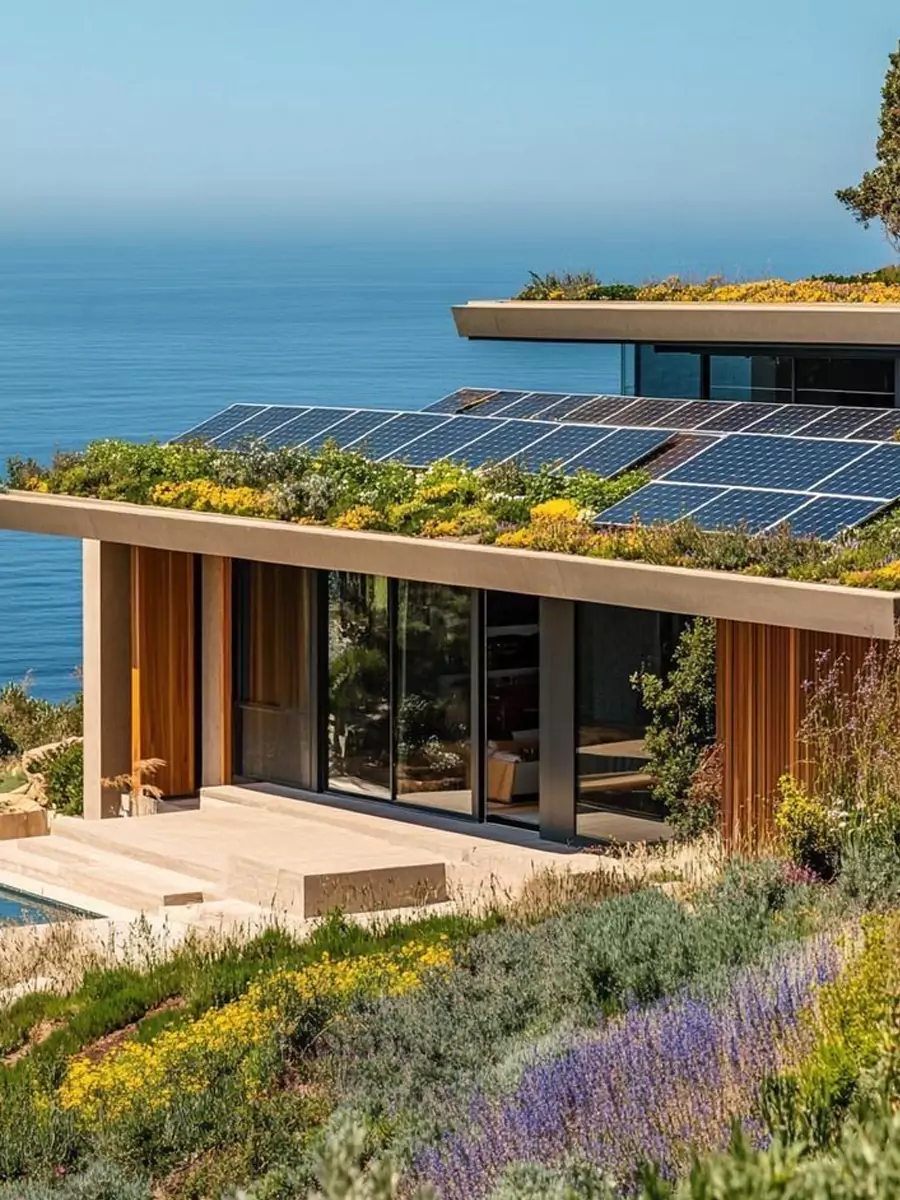
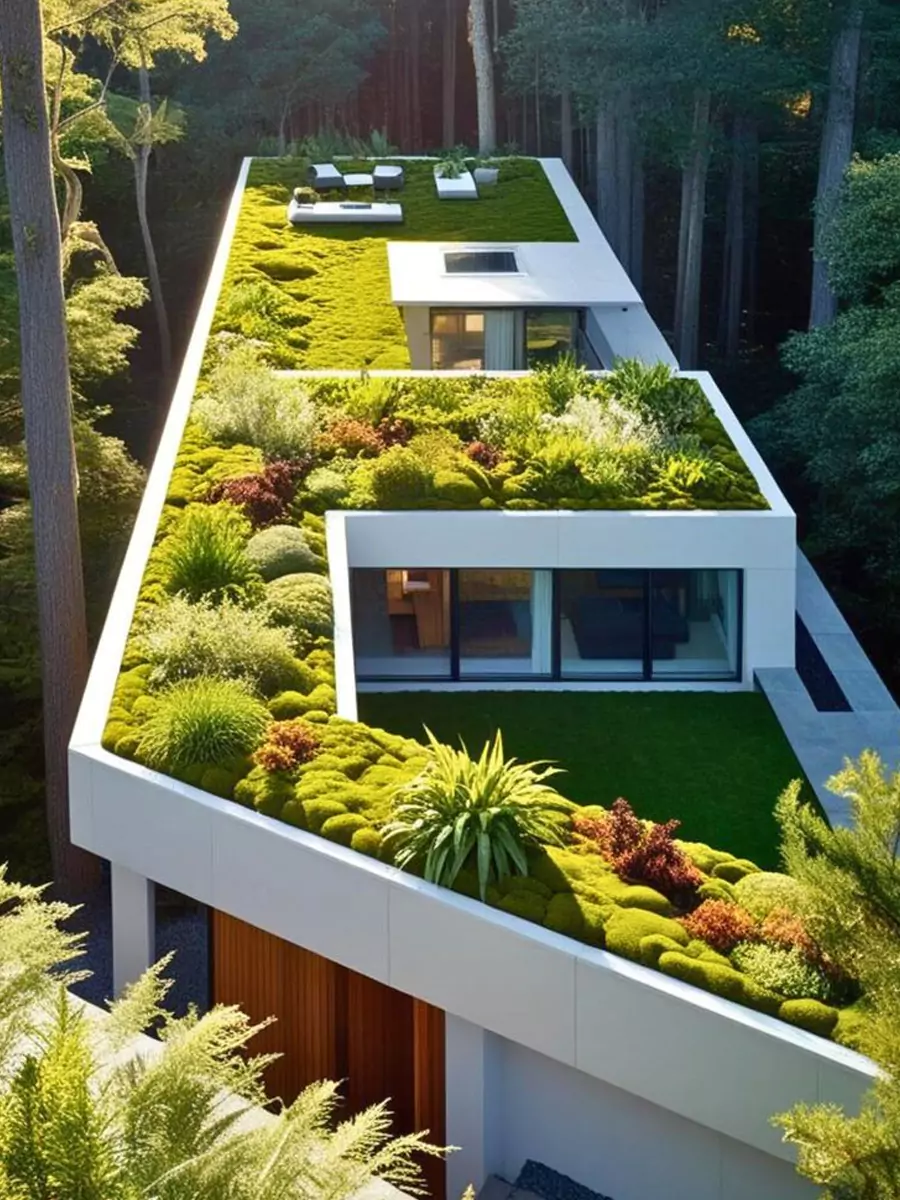
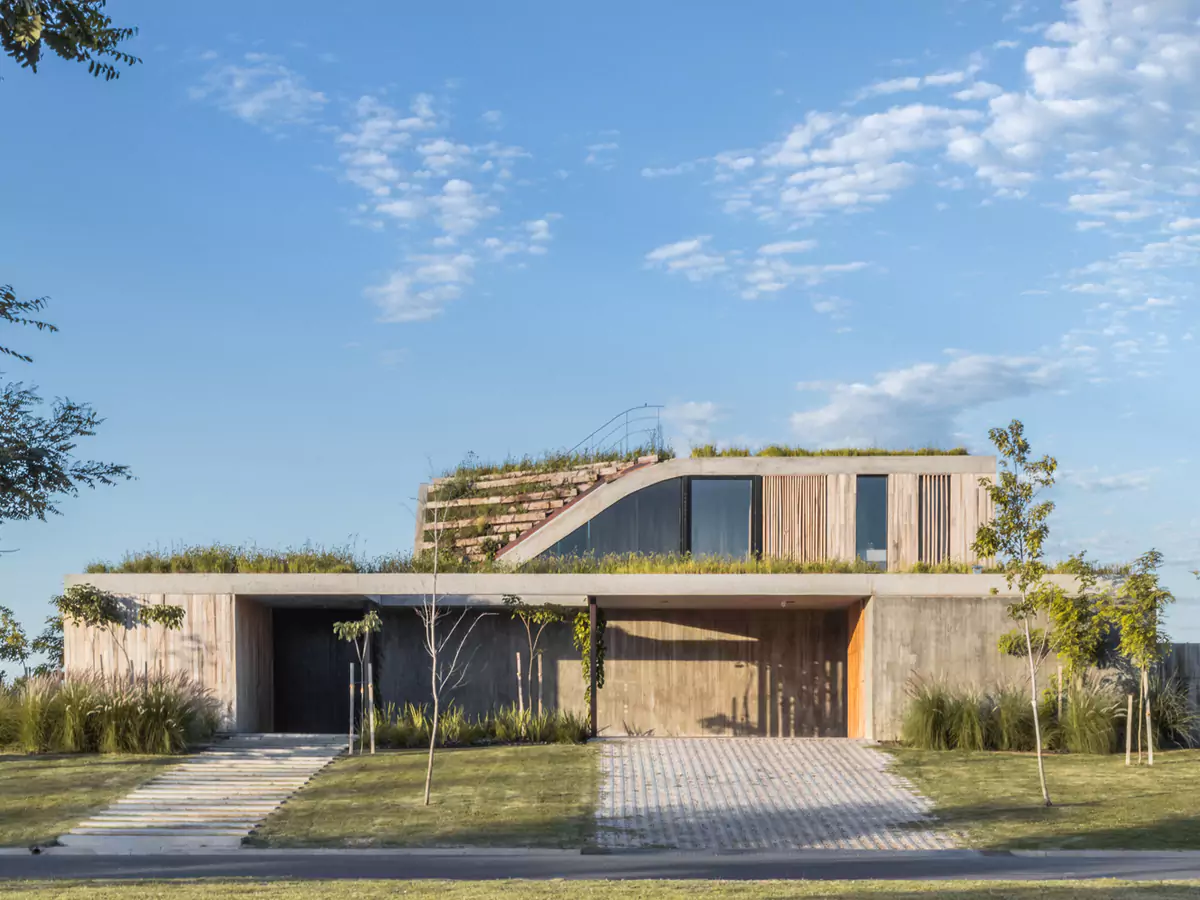
When designing a home, it is important to consider future needs, such as the possibility of expansion or modernization. Flexible planning allows you to easily adapt your home to changing lifestyles.
When developing a project, consider the possibilities for possible expansion or modernization of the house so that you can easily make changes in the future.
Flexible space planning will allow you to easily adapt to changing family needs.
Designing a home requires not only considering its aesthetic and functional aspects, but also proper planning of technical, financial, and legal issues. Pre-planning and strategic planning of each stage with the involvement of professionals ensures that the home is comfortable, durable, and adaptable to future needs.
If you take all of these conditions into account, you will be able to create an environment that will fully meet your needs and dreams.
If you didn't get all the answers from the blog, we offer flexible services during the home design process: