
Commercial
IT Office Interior Design
An office the team wants to come back to - 241 m² of open space with refuges, Tbilisi, 2025
- Category
- Commercial
- Year
- 2025
- Location
- Tbilisi, Georgia
- Area
- 241 მ²
- Client
- Education Management Information System (EMIS)
01 - Challenge
The office of the IT team of the Education Management Information System (EMIS) in Tbilisi is 241 m². The client's brief was not "a nice office" but a specific problem: the old layout gave the team no reason to be in the office, and the space had to change that. The project ran in October-November 2025: five weeks from the start of design to the handover of the design album and cost estimate.
What was there. A cellular layout of plasterboard partitions, an old suspended ceiling, worn laminate, switches and lights that no longer matched where the desks stood. The space had one strong asset - large glazing and plenty of daylight, which in the old layout stayed behind the office walls.
What the client asked for. An environment that makes an employee want to come in, and that looks less like "an office". We turned that into three questions: what does home have that the office lacks; what does the office have that home lacks; and which decisions must be made before the walls go up, because afterwards they are expensive.
02 - Approach
Every decision below has the same shape: the task, what the research says, what we planned, and what went into the project. We translate research into design language and do not promise that an interior replaces management. But what a space does to a person every day, for eight hours, is decided at the planning stage.
1. A "home" character in the office - through material, not decoration
Task. Home beats the office in one thing - a person feels cosy there. Cosiness is not made with decoration - the body reads material off the wall.
What the research says. In Austria (Kelz, Grote & Moser, Conference on Environmental Psychology, 2011) two classrooms were compared over a school year: in the one finished in solid wood, pupils showed a lower heart rate and less stress than in the linoleum-and-plasterboard room. A 2024 study (Kumpulainen et al., Environment and Behavior) shows the same soft effect in adults. But more is not better: when Tsunetsugu and Miyazaki (Journal of Wood Science, 2007) tested rooms with 0%, 45% and 90% wood, people preferred the 45% room - wood where hand and eye touch it, not on every surface.
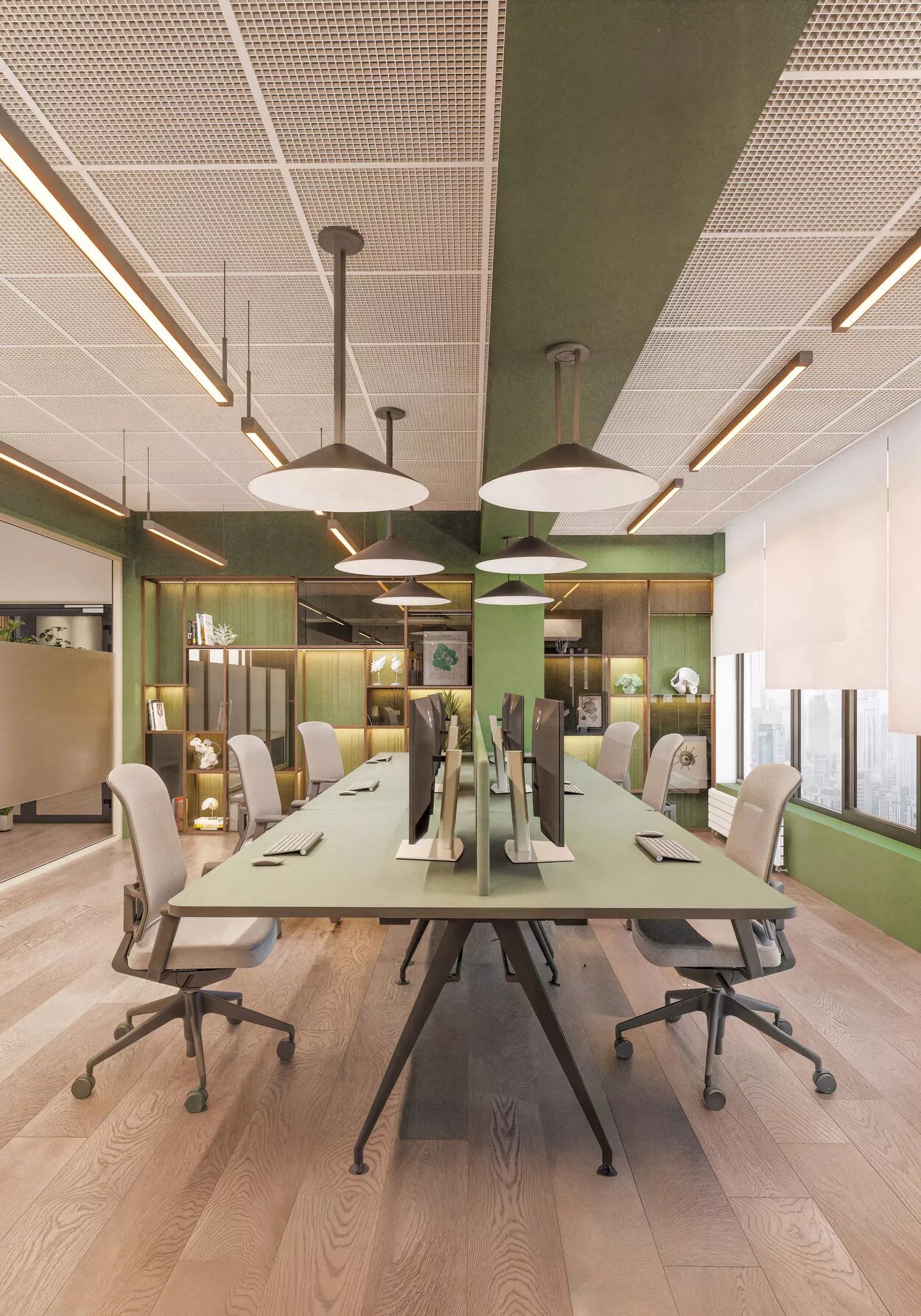
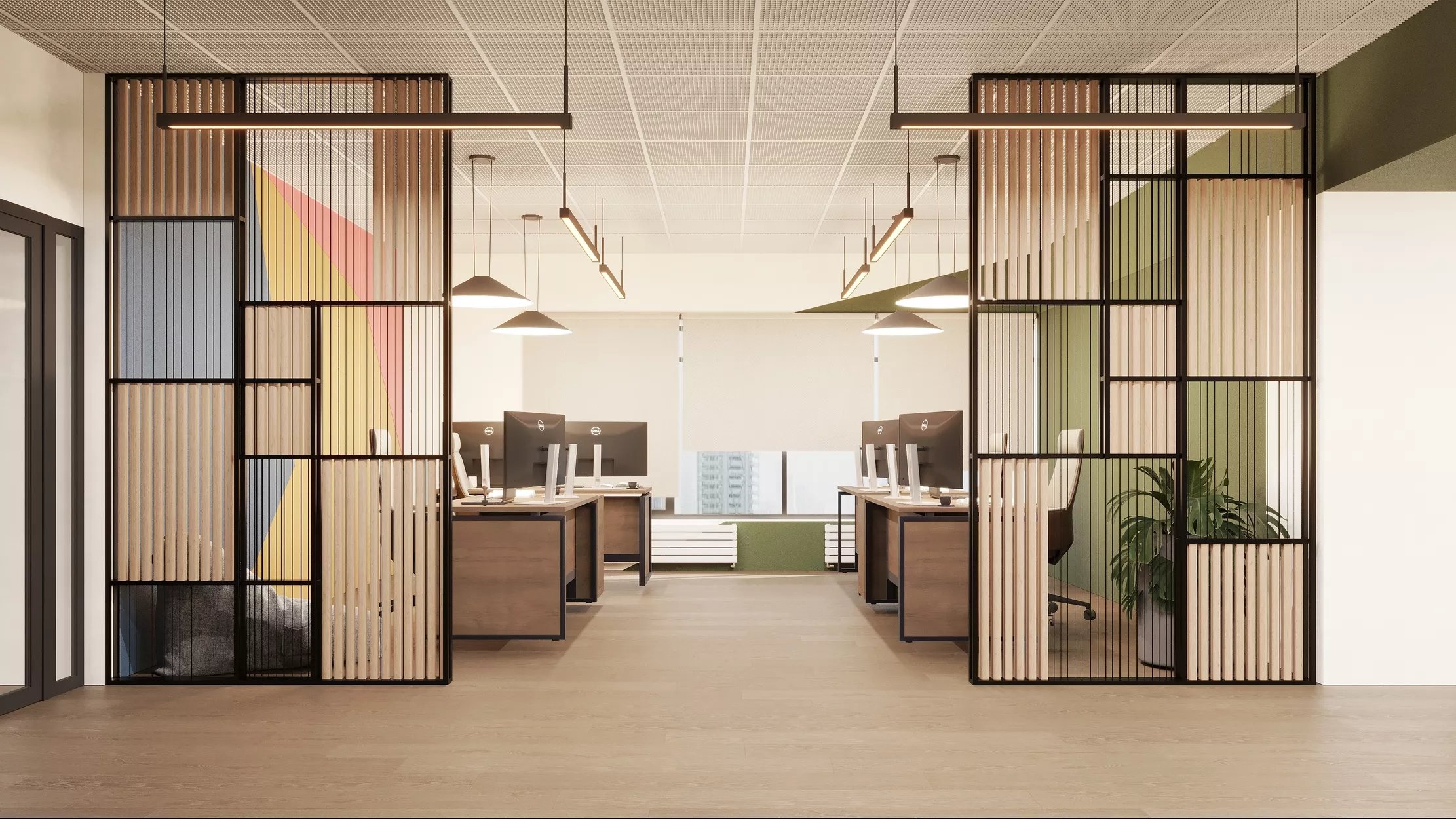
What we planned. A warm palette - light brown, pastel green, natural textures - and wood in measured doses: timber-batten dividers at the entrance and between work zones, built-in timber storage, timber-finish desks. The green accent, RAL 6021, on three desktops and the sofa, not on the walls.
What went into the project. Timber-batten divider screens with bespoke drawings, built-in storage in three sizes, 13 bespoke desks of 160×80 cm, 3 desktops in RAL 6021, a green three-seater sofa in the lounge.
2. Privacy in an open plan - a protected zone for each person
Task. The cellular layout had to open up, but "just an open office" does not solve the problem - it often makes it worse.
What the research says. A Harvard Business School study (Bernstein & Turban, Philosophical Transactions of the Royal Society B, 2018) recorded a roughly 70% drop in face-to-face interaction after two companies moved to open plans - people protected their attention with headphones and written replies. In a survey of more than 40,000 office workers (Kim & de Dear, Journal of Environmental Psychology, 2013) the biggest complaint about open offices was sound privacy. In a controlled experiment (Sander et al., Journal of Management & Organization, 2021) open-office noise did not change test scores, but heart rate rose and mood fell - the work gets done, the body pays.
What we planned. From the first proposal: "privacy is the main priority - furniture is planned so that each employee has a personal, protected work zone". An open space of 119 m², but desks in pairs with divider pedestals, batten screens that keep the transparency, and separate rooms for what needs quiet - meetings, phone work and individual work.
What went into the project. Six work zones across 241 m² (119 / 39.8 / 35.3 / 31 / 30.7 / 16 m²), 6 divider pedestals, batten partitions, desks laid out parallel to the glazing.
3. Light - desks by the windows, rooms at the back
Task. In the old layout the glazing belonged to the private offices, not to the shared space.
What the research says. In a Northwestern University study (Boubekri et al., Journal of Clinical Sleep Medicine, 2014) people working in offices with windows slept on average 46 minutes longer at night than those without - same job, different light. In a 2025 University of Bergen experiment (Bjerrum et al., Scientific Reports) bright morning light reduced attention lapses and sped up reaction times. The expert consensus (Brown et al., PLOS Biology, 2022) asks for at least 250 melanopic lux at the eye during the day.
What we planned. Workstations along the glazing, light control with zebra blinds (instead of blackout - the light is regulated, not shut out), even linear lighting over the work zones at the back, and separate, softer light in the lounge.
What went into the project. Zebra blinds on roughly 90 m² of glazing, 48 linear LED luminaires (30 W) over the work zones, 20 decorative dome pendants (Ø 30/40 cm) in the shared and lounge areas, a 100×100 mm open-grid (grilyato) ceiling that does not block the light.
4. Refuge - a place to step away from the screen for a minute
Task. At home a person has a sofa to sit on for five minutes. In an office that often does not exist, and this is what people call "cosy".
What the research says. In a study at Brighton and Sussex Medical School (Gould van Praag et al., Scientific Reports, 2017) natural soundscapes increased the brain's "rest" activity and helped the most stressed people the most. A lounge with plants, daylight and distance from the noise is not a luxury but a recovery tool.
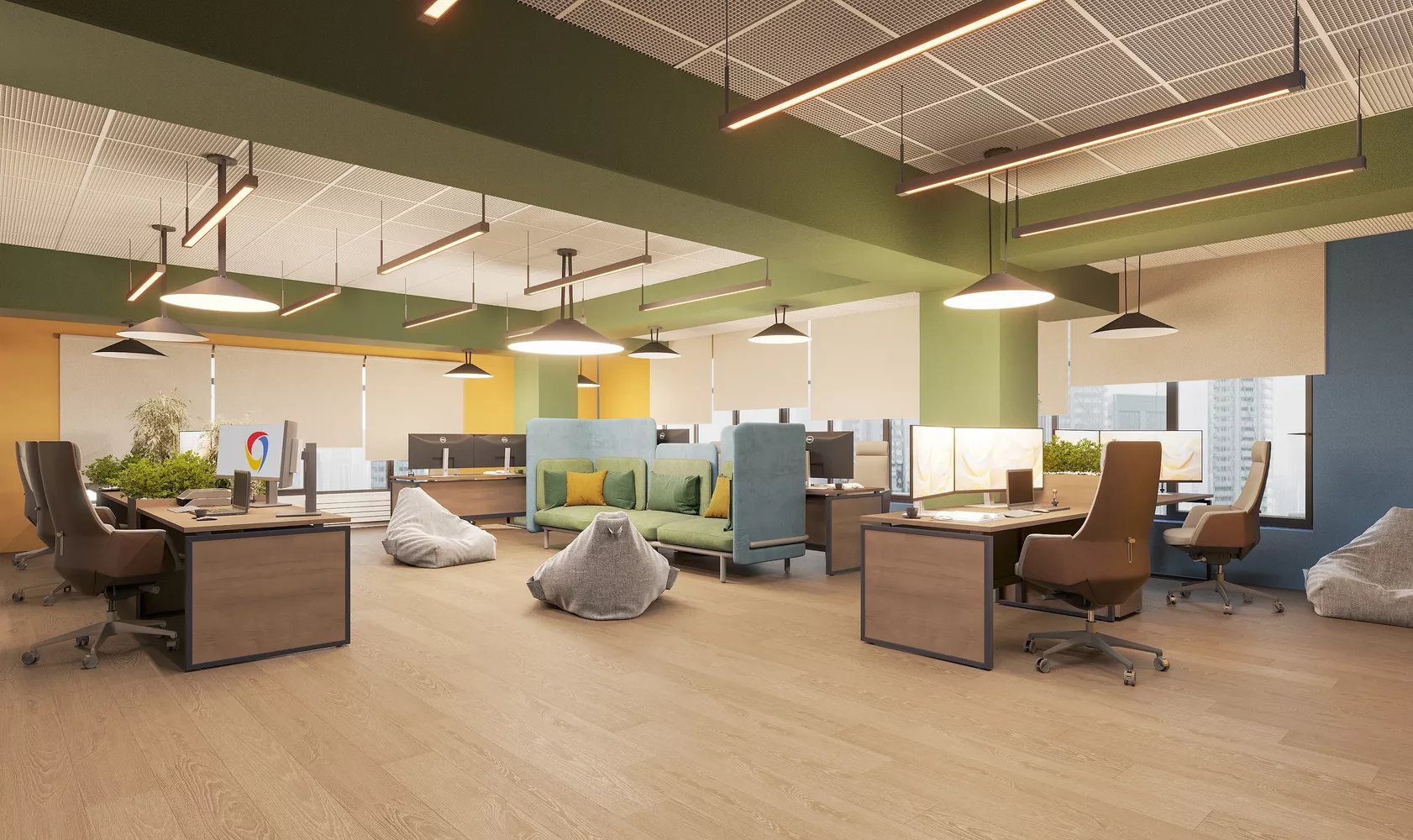
What we planned. A lounge inside the open space, but away from the desks and on the glazing side: a high-backed sofa that partly absorbs sound, bean bags, plants on the built-in storage. Among the options presented on 27 October the client chose this zone at the first stage.
What went into the project. A green three-seater high-backed sofa, bean bags, planting positions on the storage units, separate lighting with dome pendants.
5. Air and temperature - what we changed and what we did not
Task. A room where "everyone gets tired" in the afternoon is often a ventilation problem, not a management one.
What the research says. In a Harvard School of Public Health experiment (Allen et al., Environmental Health Perspectives, 2016) cognitive test scores were 61% higher on days with better ventilation and low-emission materials than on ordinary days.
What we planned, and what we did not. Honestly: redesigning the ventilation system was outside the scope of this project. We did what we could within it: the existing air conditioners were kept, one new 24,000 BTU inverter unit was added for the open space, the radiators return to their places after the works, and the materials - paint, class 32/33 laminate, MDF - are low-emission options. A CO₂ sensor and a dedicated supply for the meeting room are a recommendation for the next stage, not part of this project.
6. Adaptation - an office that changes with the team
Task. The size and working pattern of an IT team change. A fixed layout is outdated in two years.
What we planned. From the proposal: "the main principle of the space is adaptation - mobile, modular furniture, desks of different shapes that still combine with each other". Power in the floor, so moving a desk does not mean moving a cable.
What went into the project. 10 floor boxes feeding the workstations, desks on a single 160×80 cm module, divider pedestals on castors, two desk options for the client to choose from - fixed and height-adjustable.
03 - Result
What was handed over. A full design album (layout, furniture, lighting, ceiling, floor and electrical plans, furniture and partition drawings), an explanatory note and a detailed cost estimate - on 25 November 2025, five weeks after the start of design. We also provide author supervision during the works.
In numbers. 241 m², 6 zones, 15 workstations, 22 ergonomic chairs, 6 divider pedestals, 10 floor boxes, 48 linear and 20 dome luminaires, roughly 90 m² of zebra blinds, 1 new inverter air conditioner, batten partitions and built-in storage with bespoke drawings.
What we cannot say yet. This page records what we planned and what went into the project - the design evidence. How far the team has come back to the office we have not measured yet. That is the next step, planned a few months after move-in, and when we have the number it will be written here - whatever it is.
Three questions answered. How long does an office project like this take? - Here, five weeks from start to album; in general we allow roughly 6-8 weeks for a mid-sized office. Can it be done in a working office, without stopping work? - Design, yes; the works are planned by zone so they can be phased. Do you work with public institutions? - Yes, this project too was delivered for a public institution.
Planning a new office or renewing the one you have? See how our service works - office interior design - from the brief to author supervision, and why we build decisions on research - neuroarchitecture and psychology.
Photo gallery
Take a look at the works
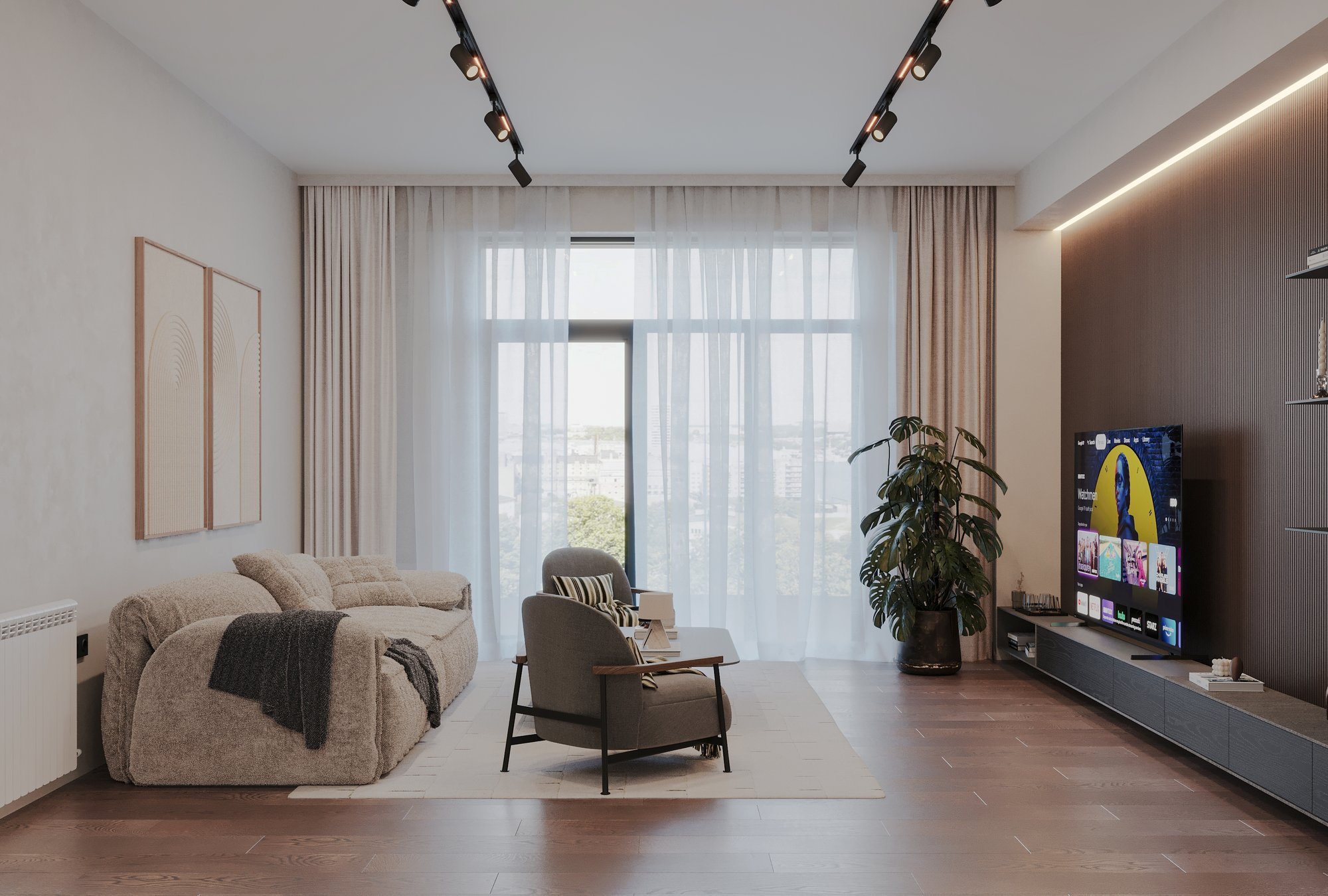
One-Bedroom Apartment Interior Design in Didi Digomi
Interior
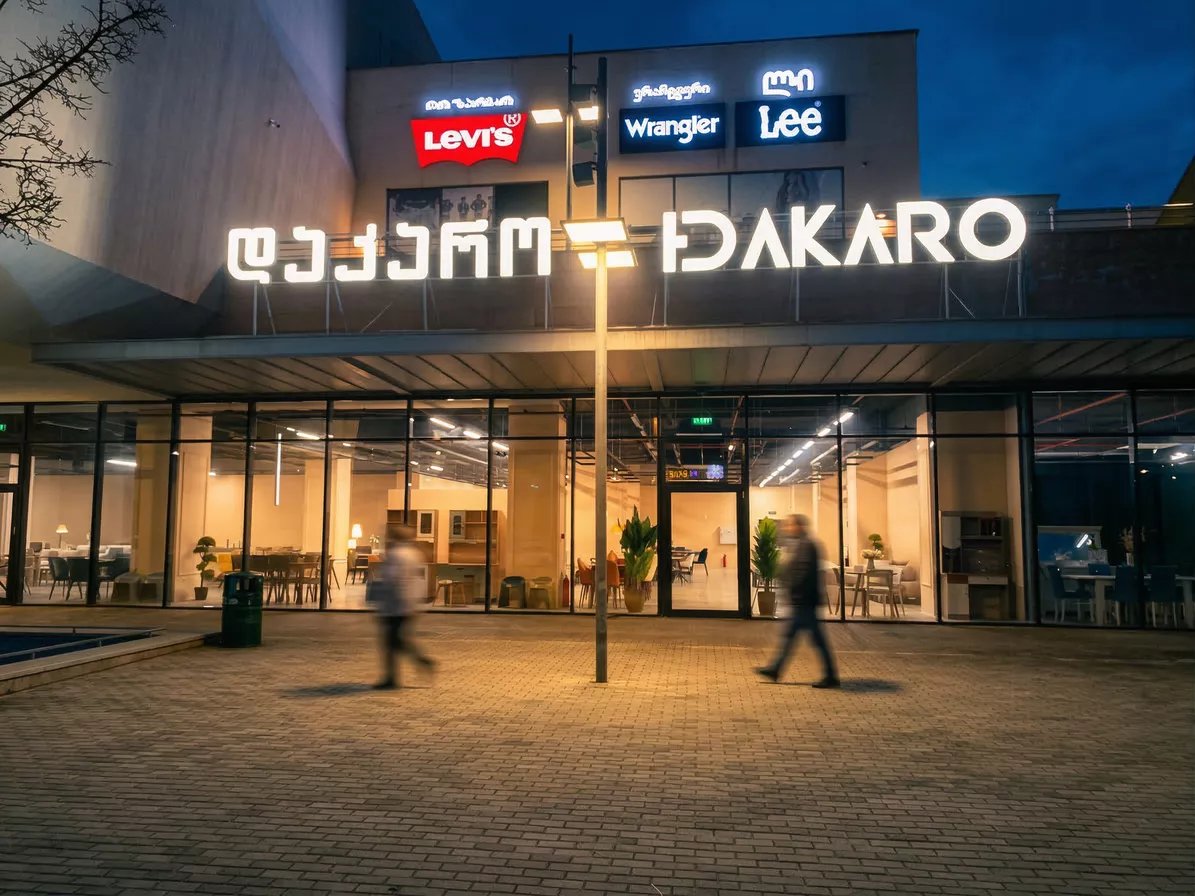
Commercial Interior Design | Furniture Showroom DAKARO
Architecture
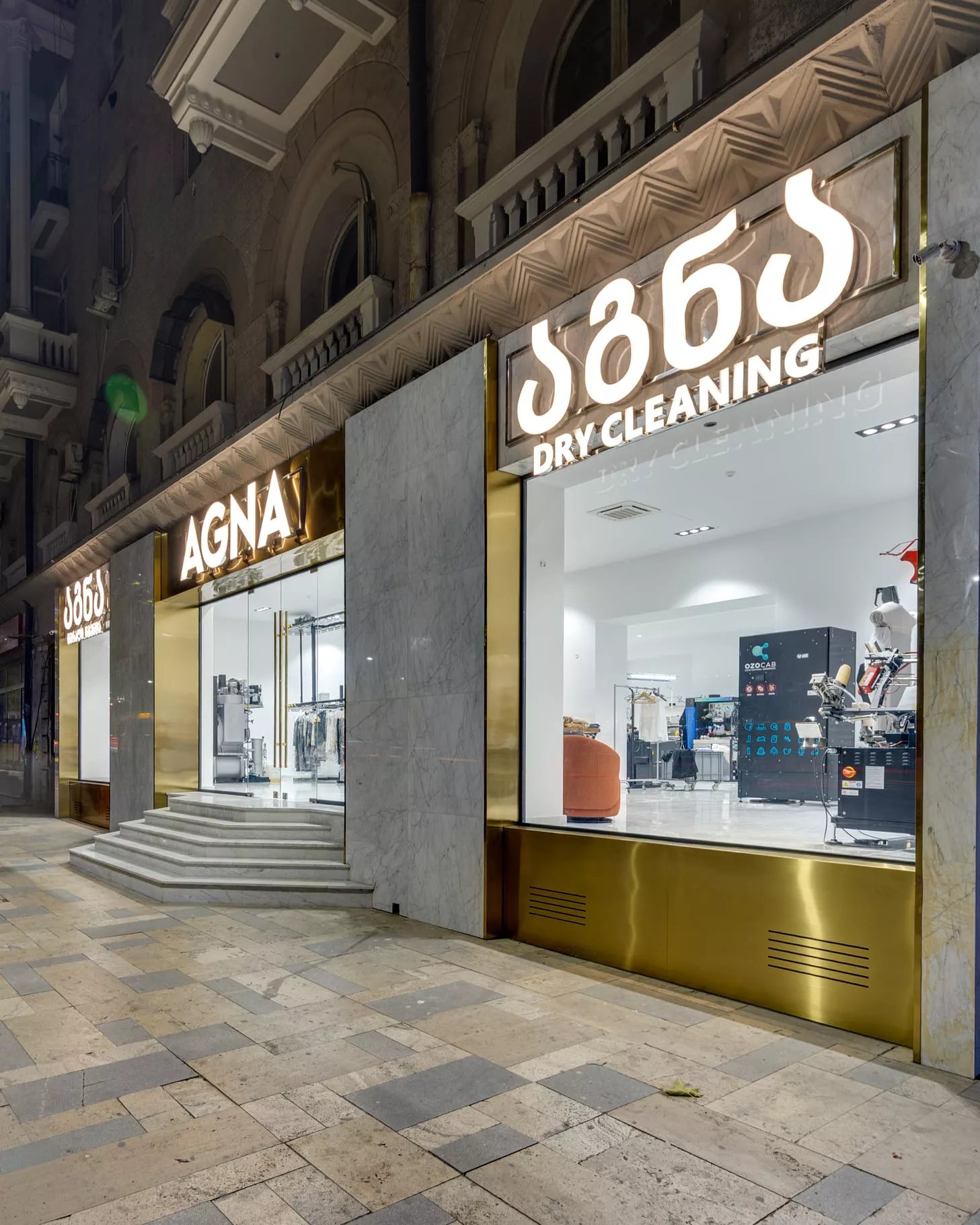
Commercial exterior and facade design
Architecture
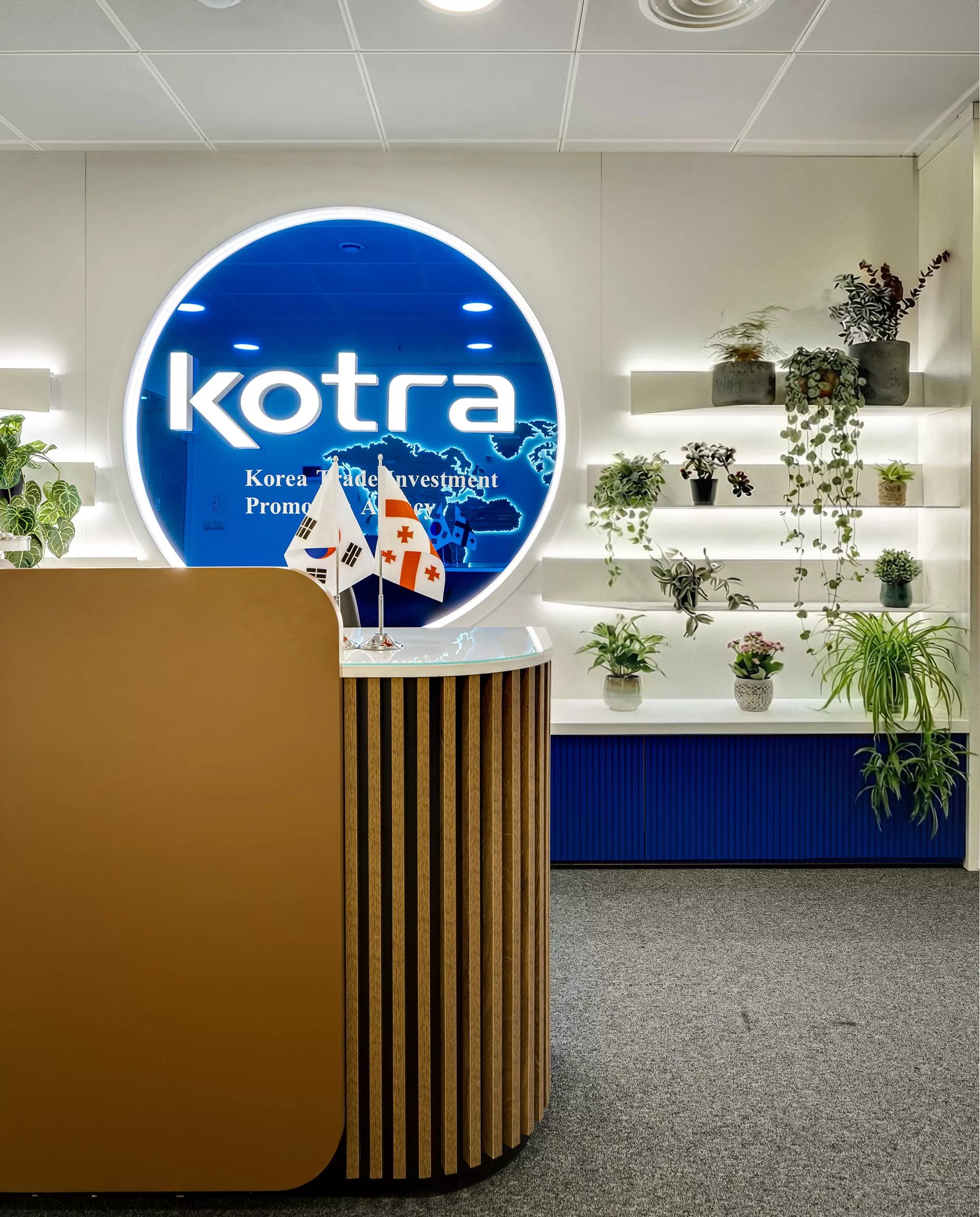
Office interior design - KOTRA Tbilisi
Interior
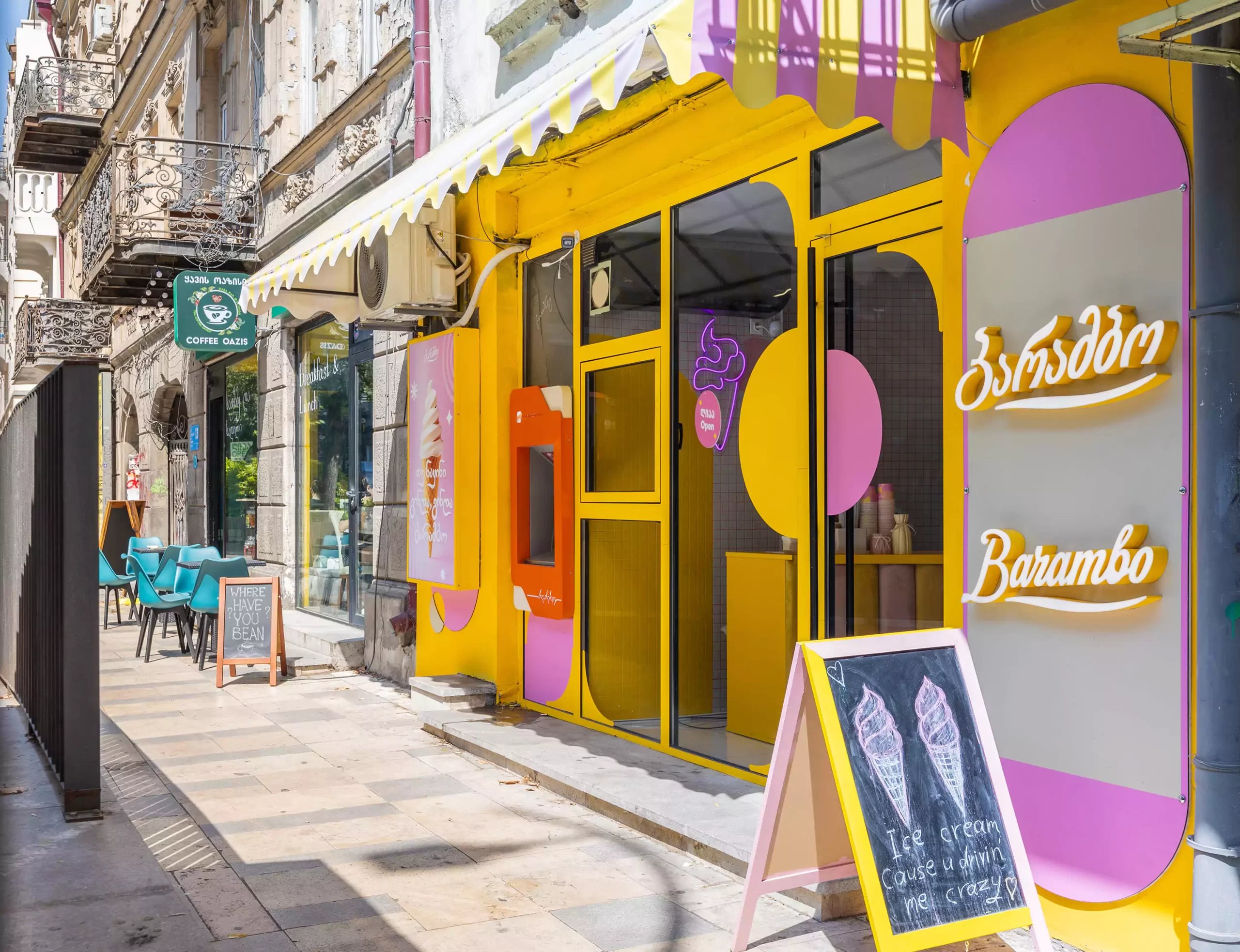
Barambo's Ice Cream Shop Interior | Commercial Design
Exterior
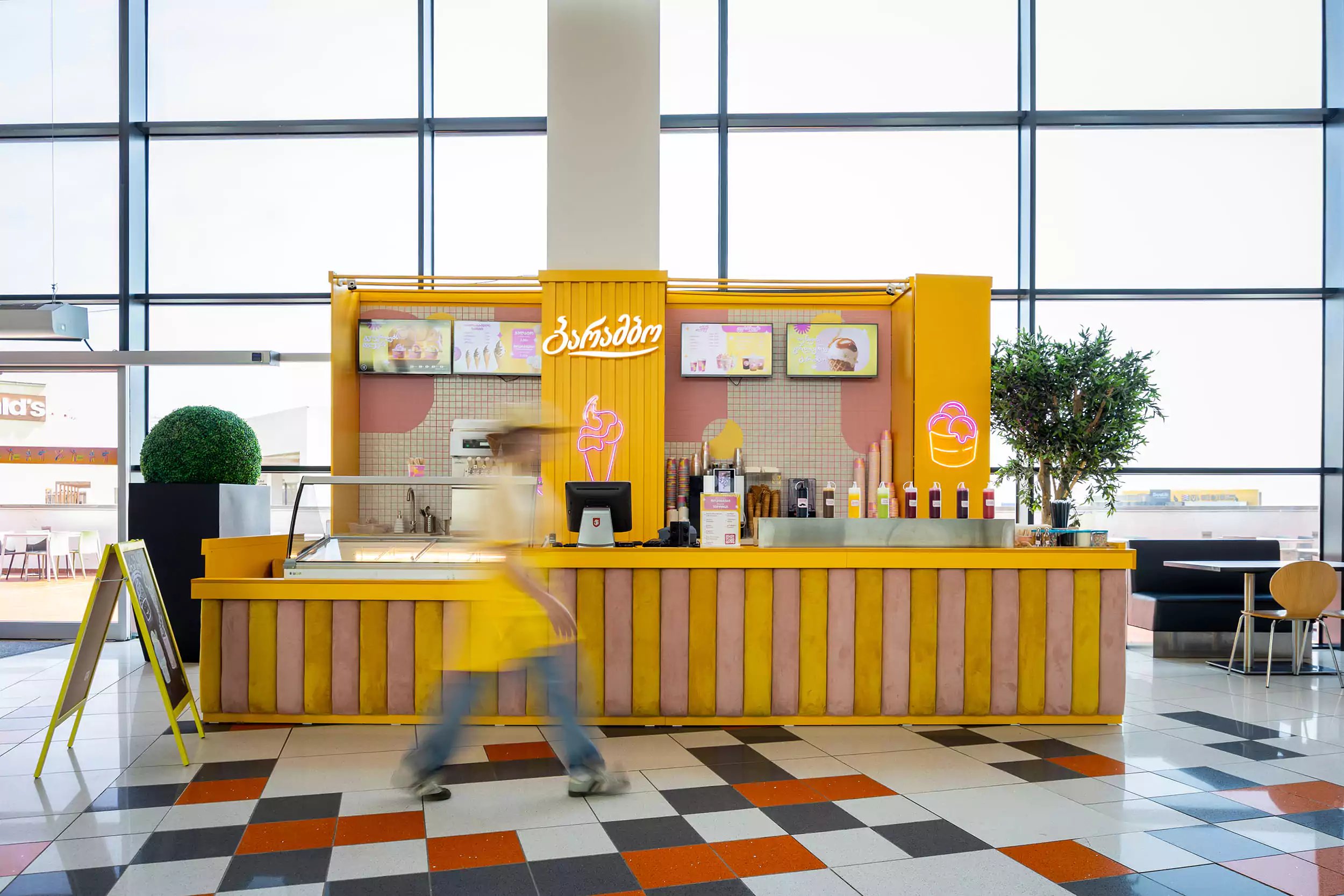
Barambo ice cream islands in shopping malls
Interior
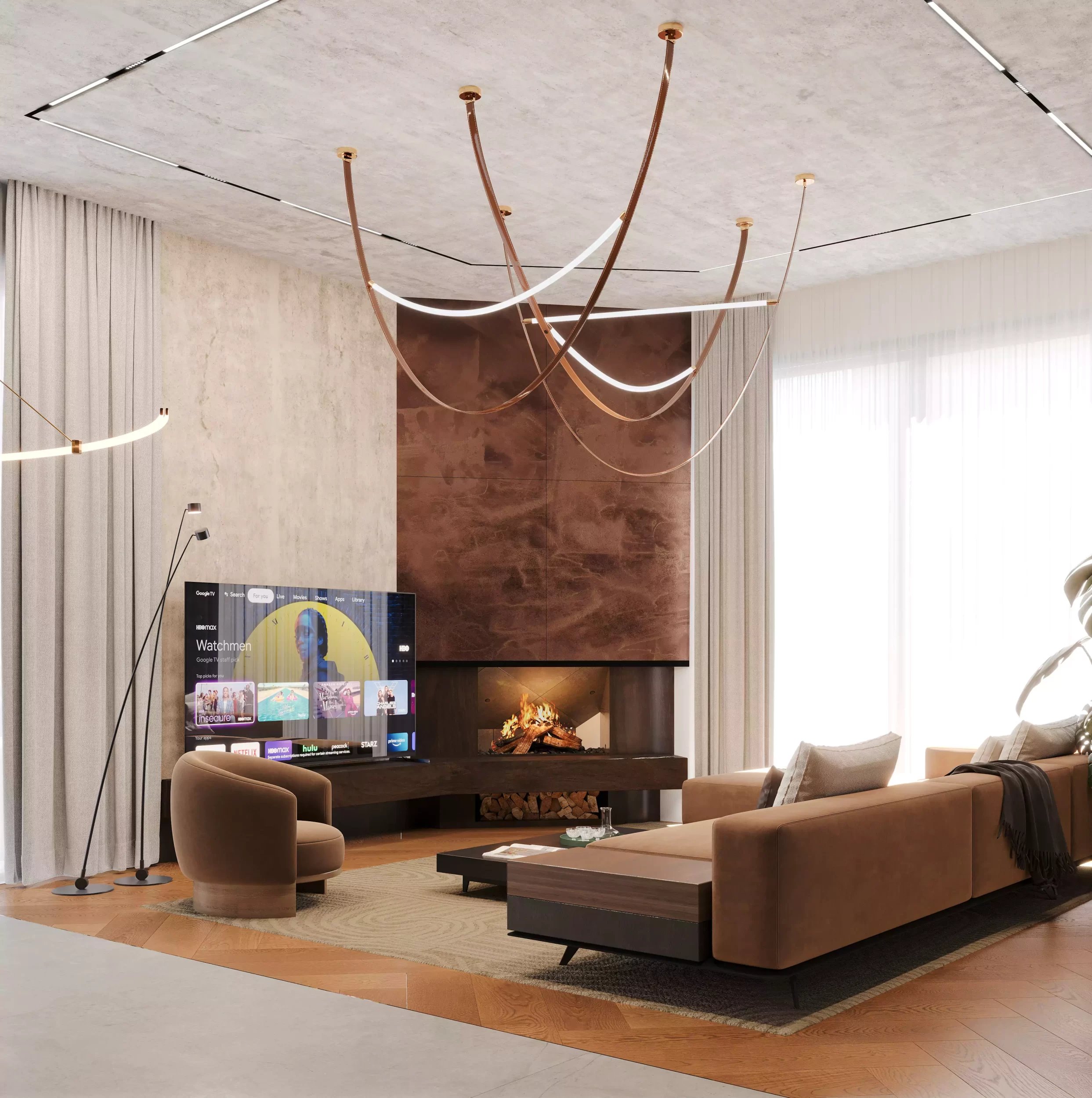
Interior design - country house project
Interior
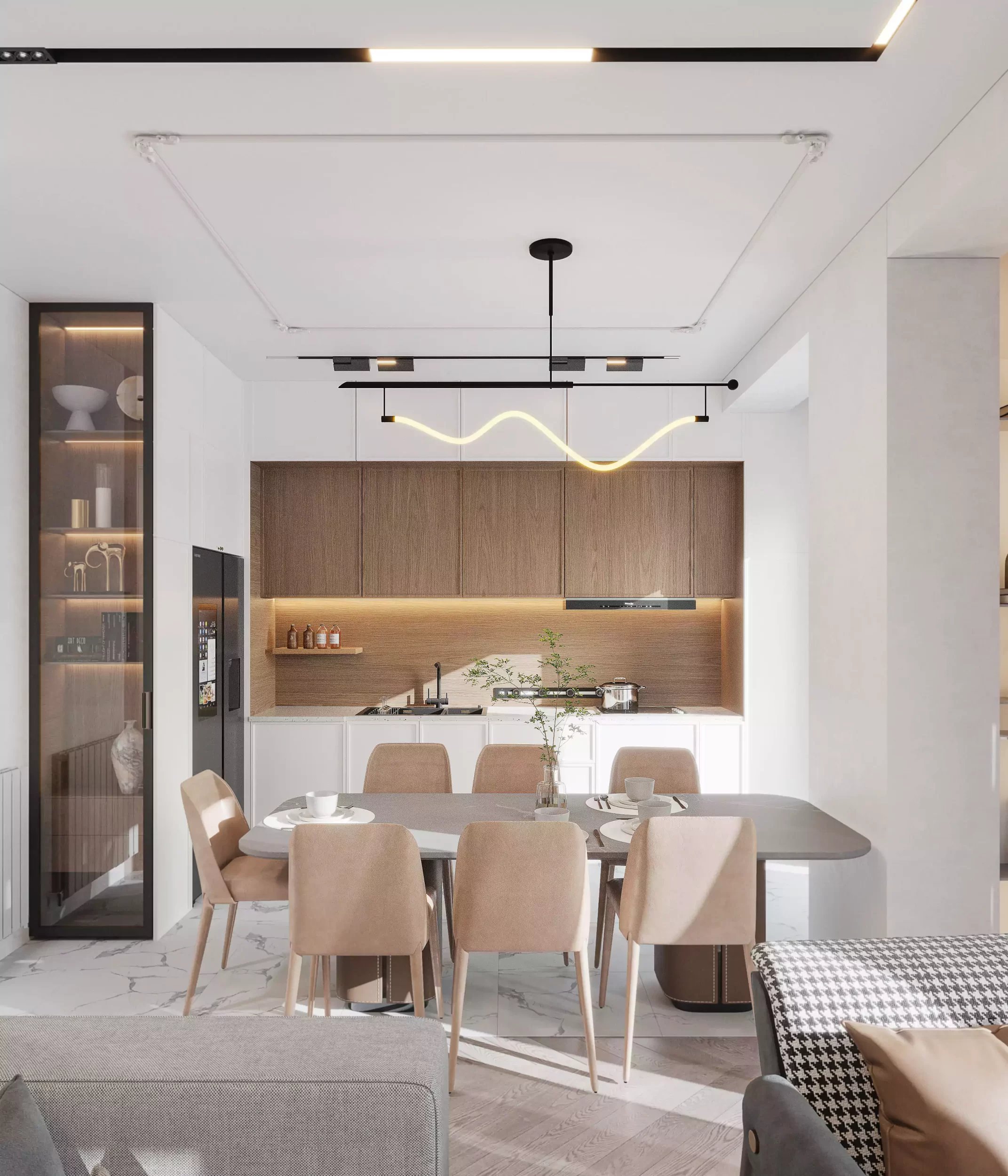
Interior design with Scandinavian style accents
Interior
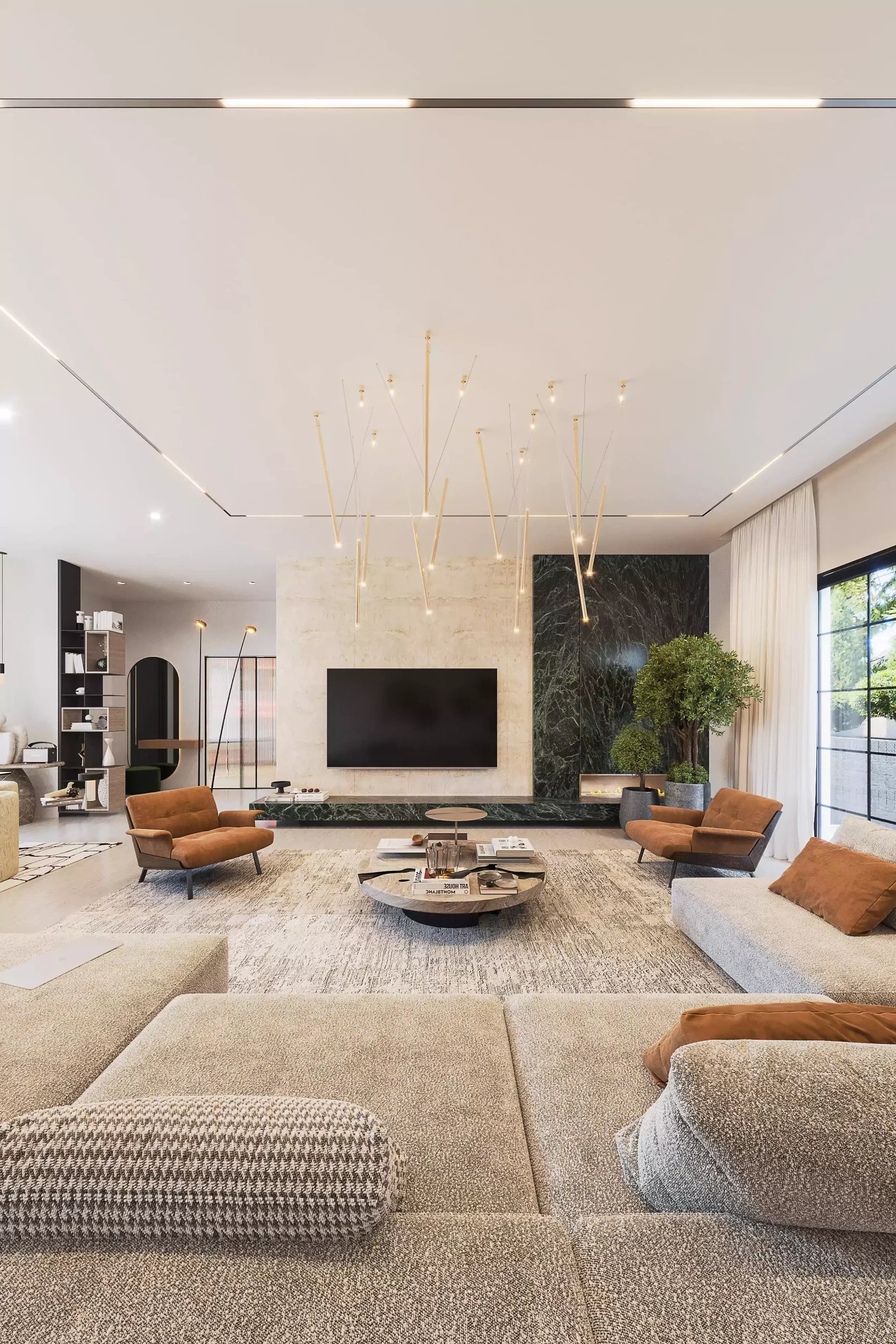
Common room design
Interior
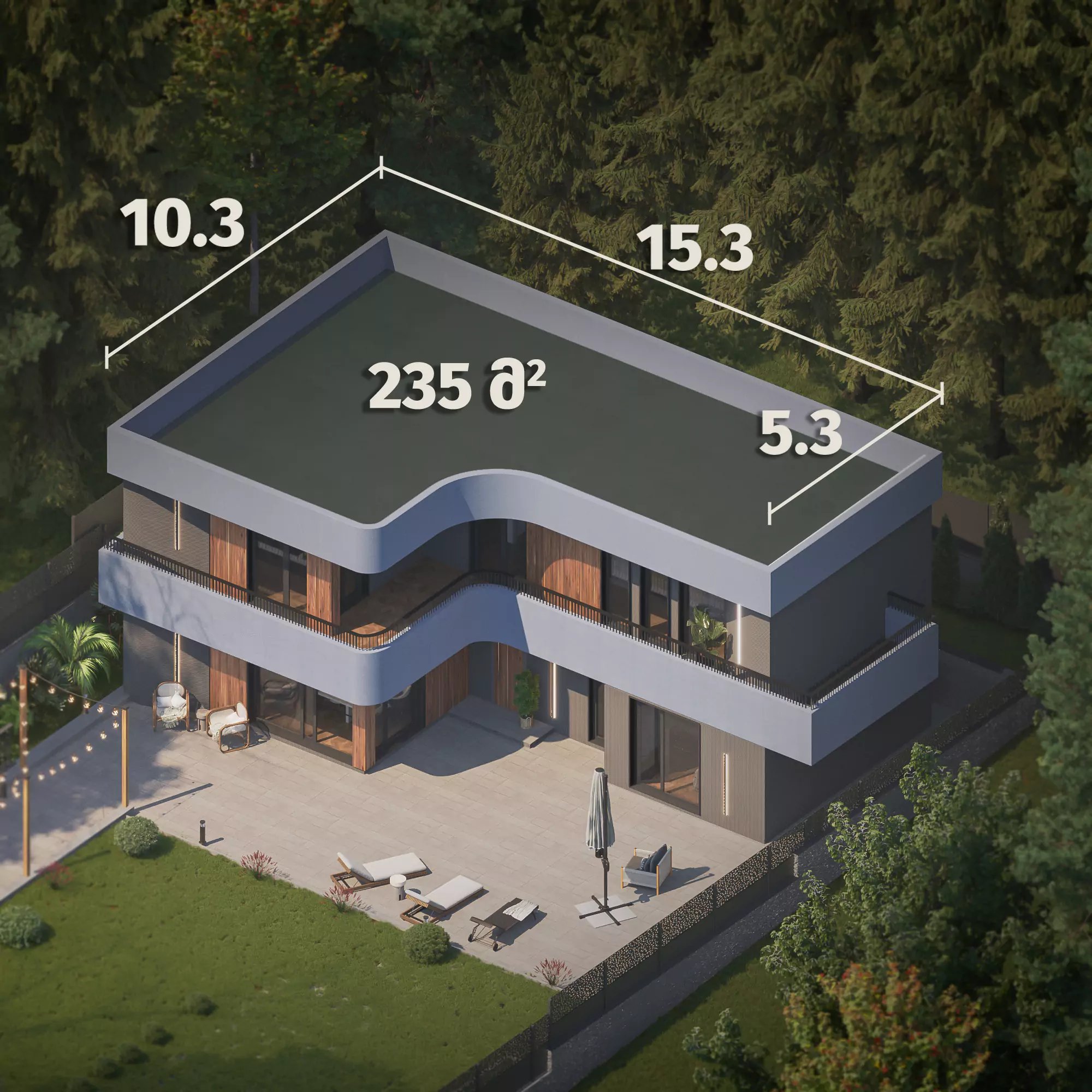
Private house design
Architecture
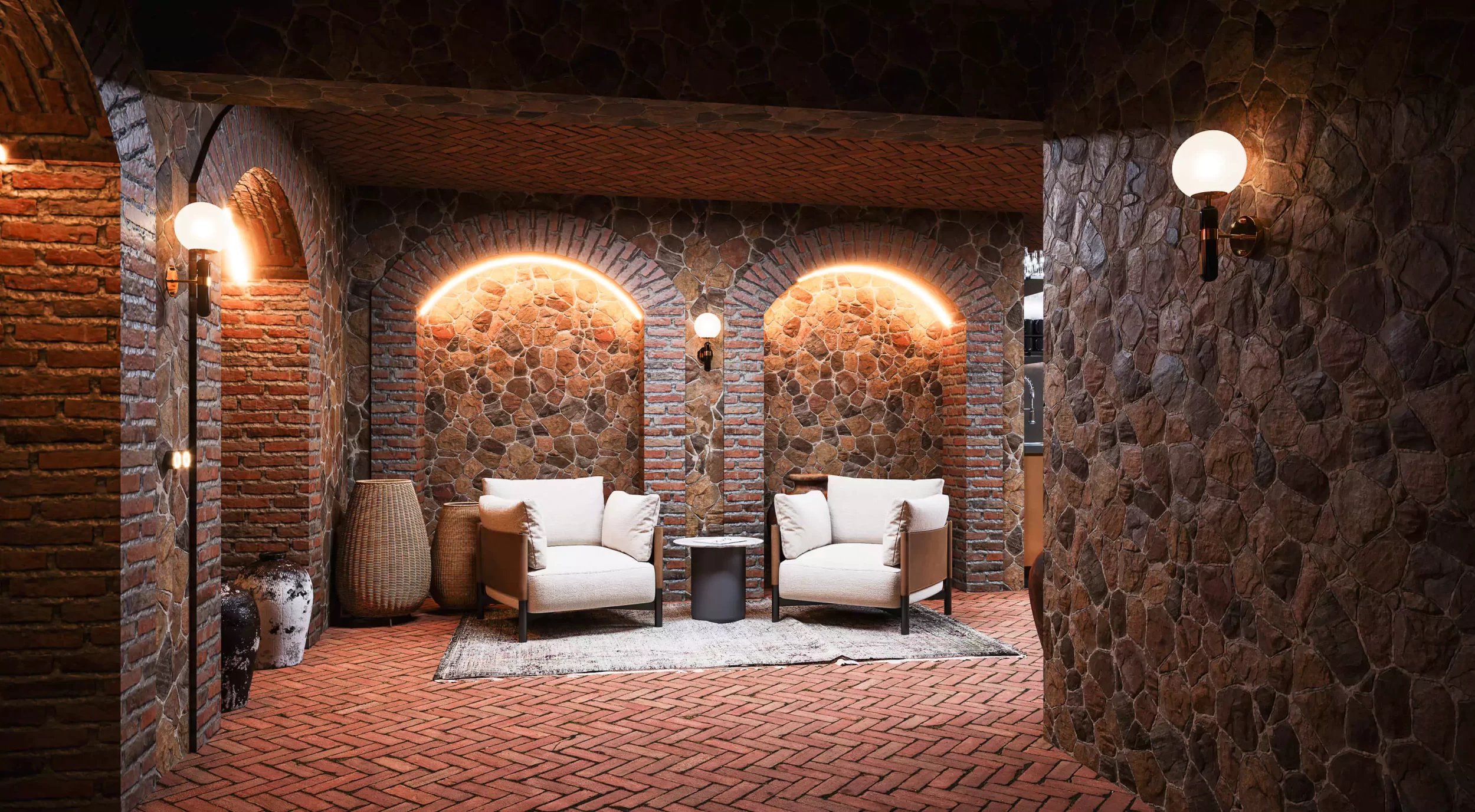
Georgian Winery Interior Design
Interior
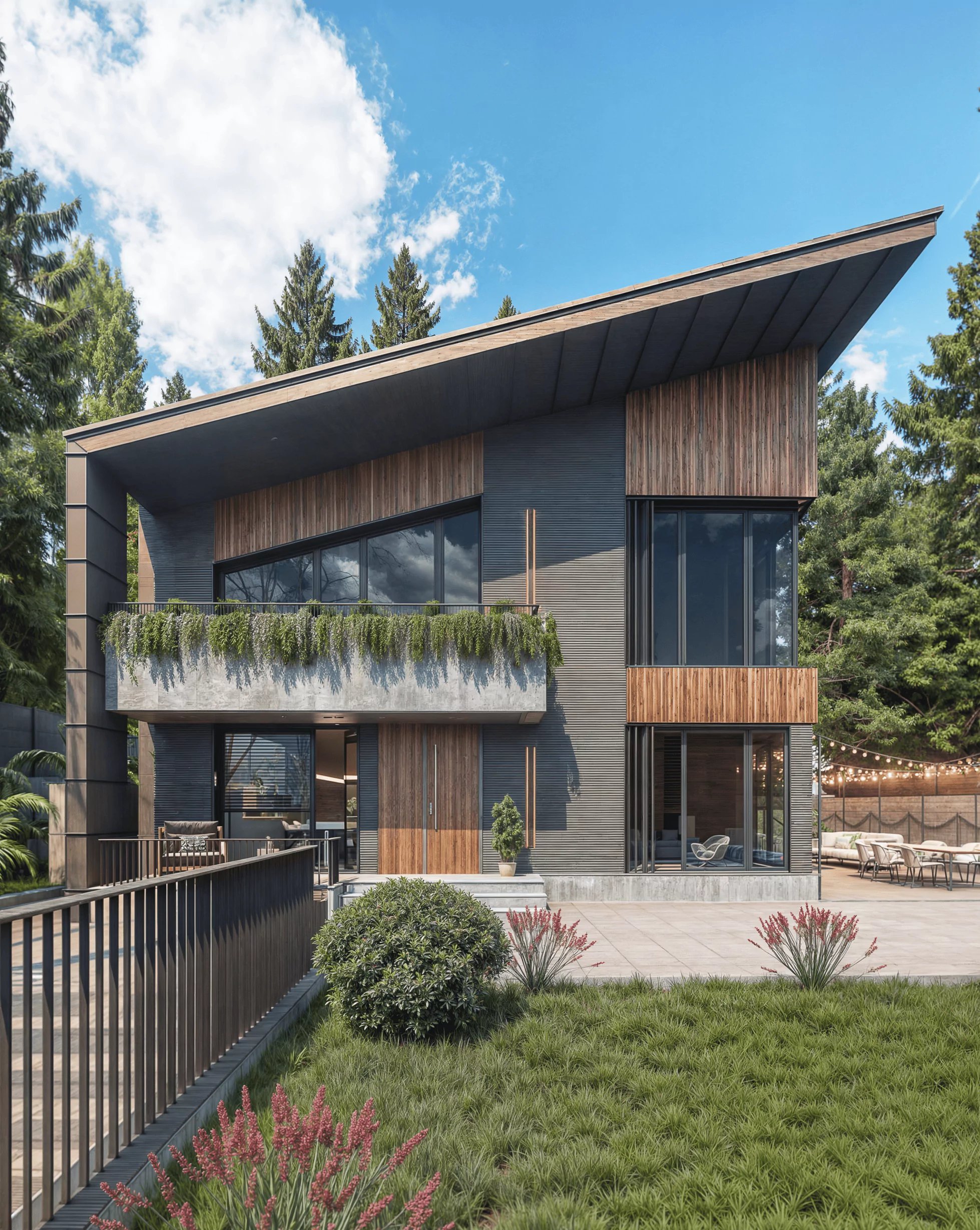
Country house design in Bulachauri
Architecture