
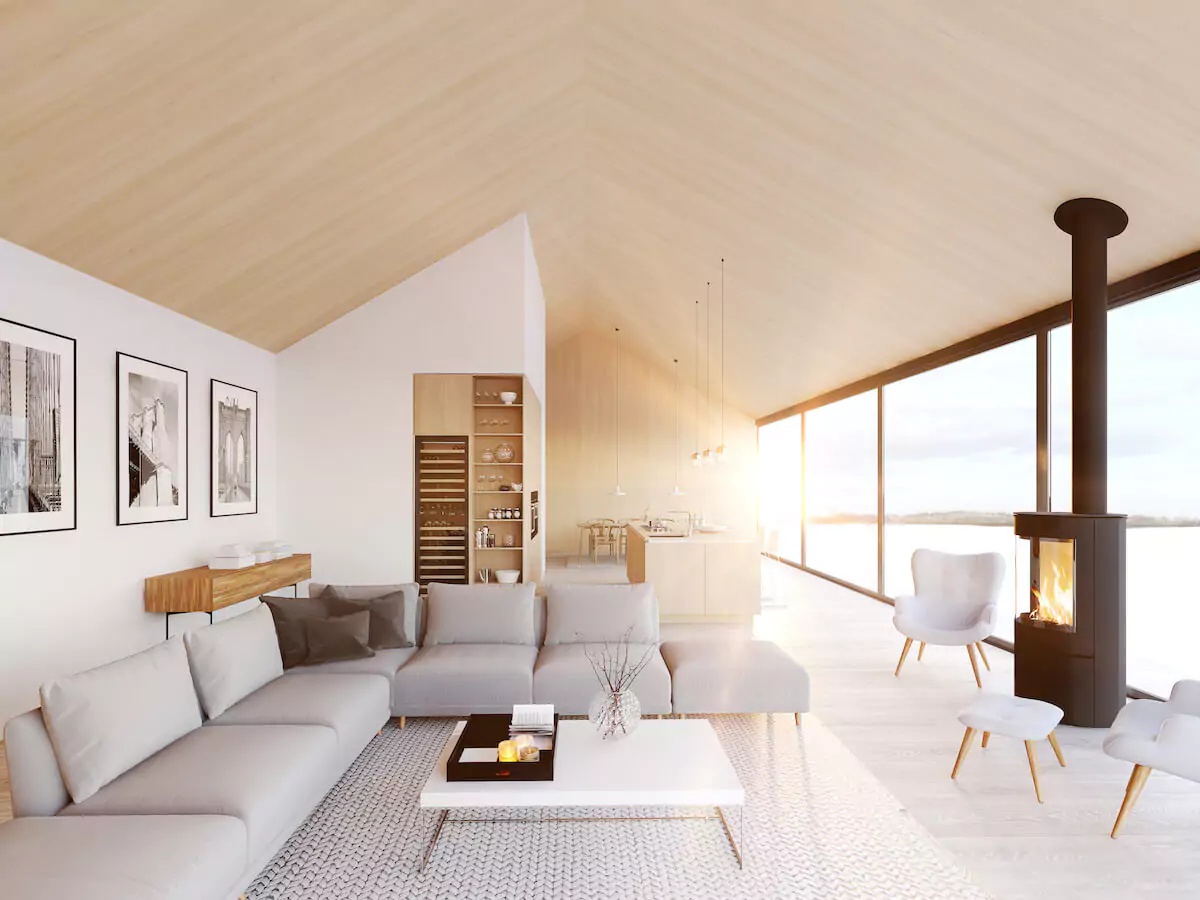
Check out interior design tips that will help you plan your interior design arrangement properly.
Table of contents:
2. Lighting – balance of natural and artificial light
3. Texture – to enhance the feeling of space
4. Distribution of functional and aesthetic zones
5. Fragrance – an invisible element of the interior
6. Works of art – an expression of personality and style
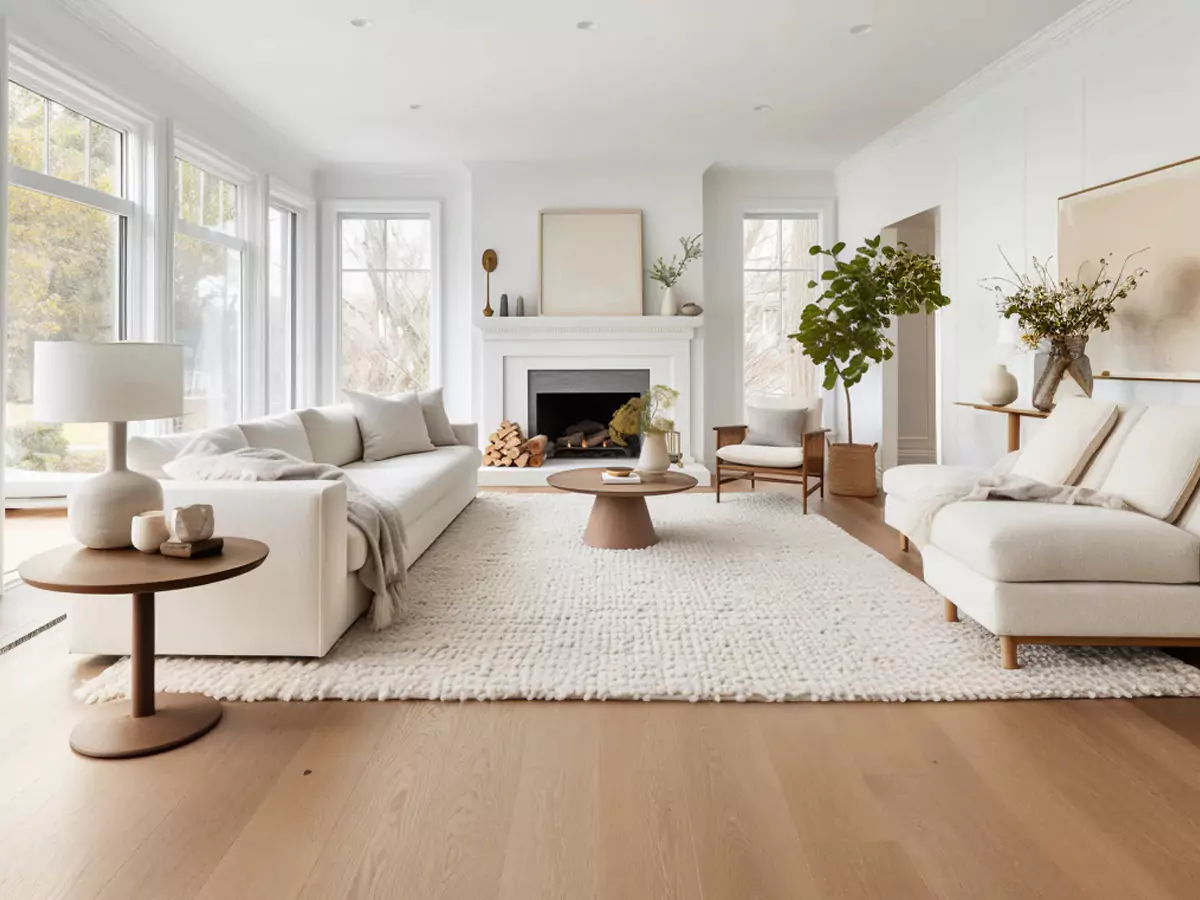
When it comes to interior design, it's often thought that the process is just about choosing furniture, matching colors, and purchasing decorations, creating the perfect space. However, professional designers think about much deeper and more strategic issues – things that we often overlook, but have a huge impact on the final design.
If you are looking for sophistication, functionality, and harmony in your interior, then this blog is for you. We present to you the main factors whose need for interior design may be vague and unnoticed, but which determine the perfection of the space.
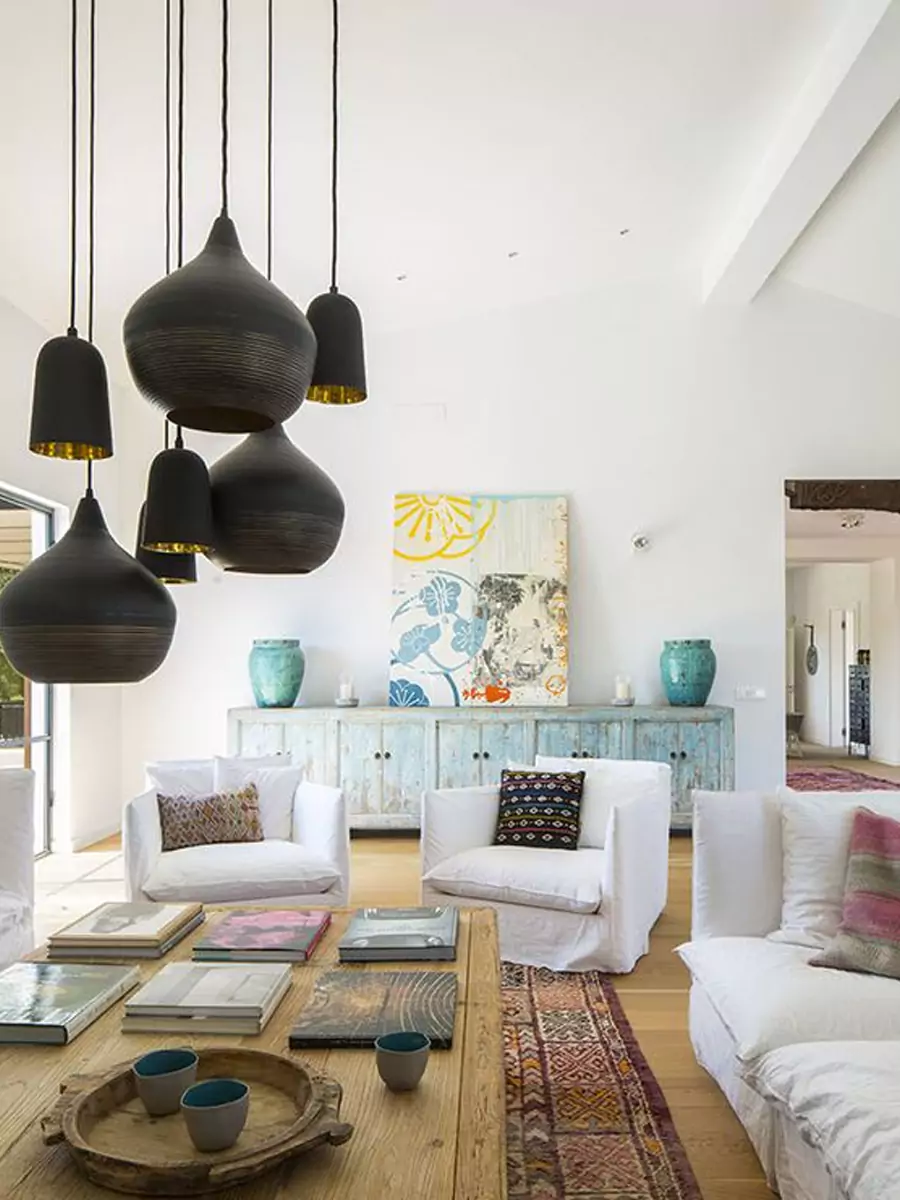
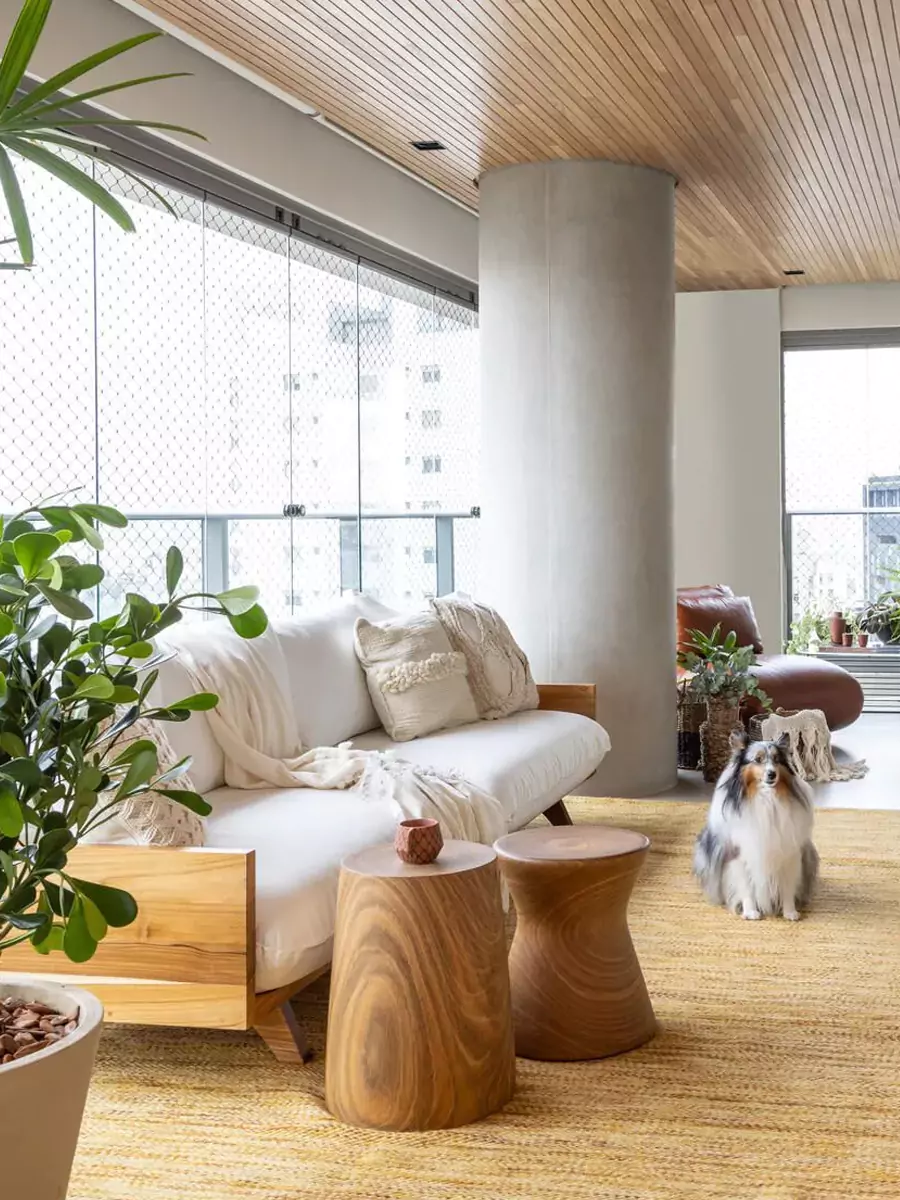
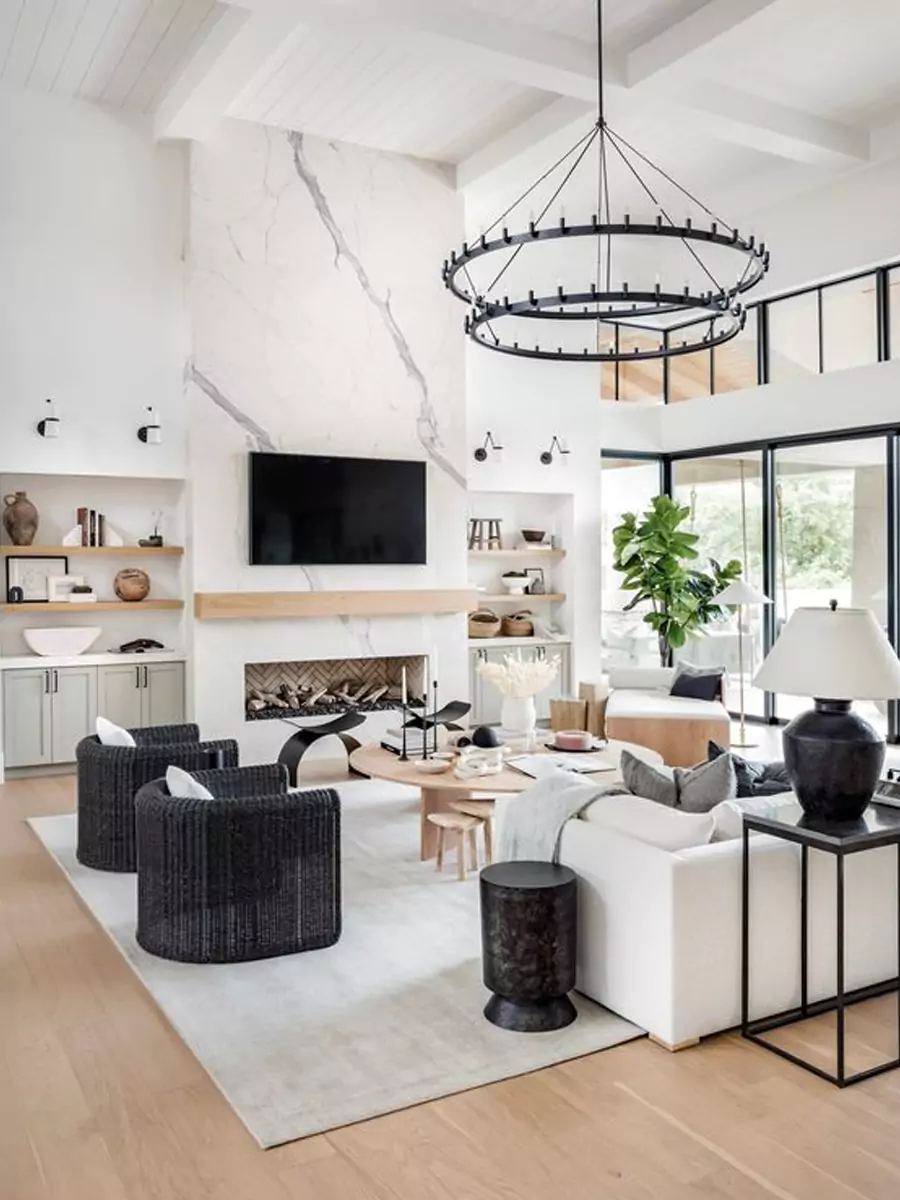
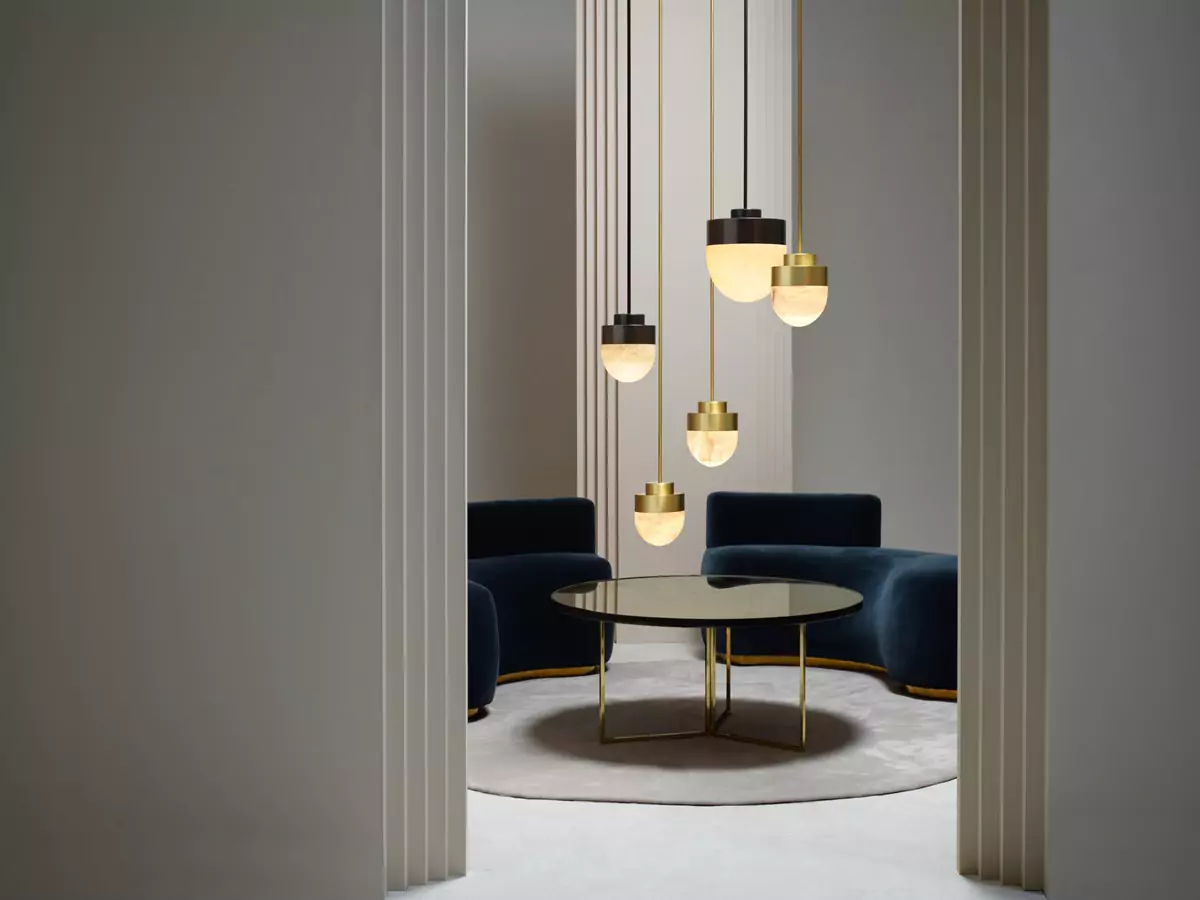
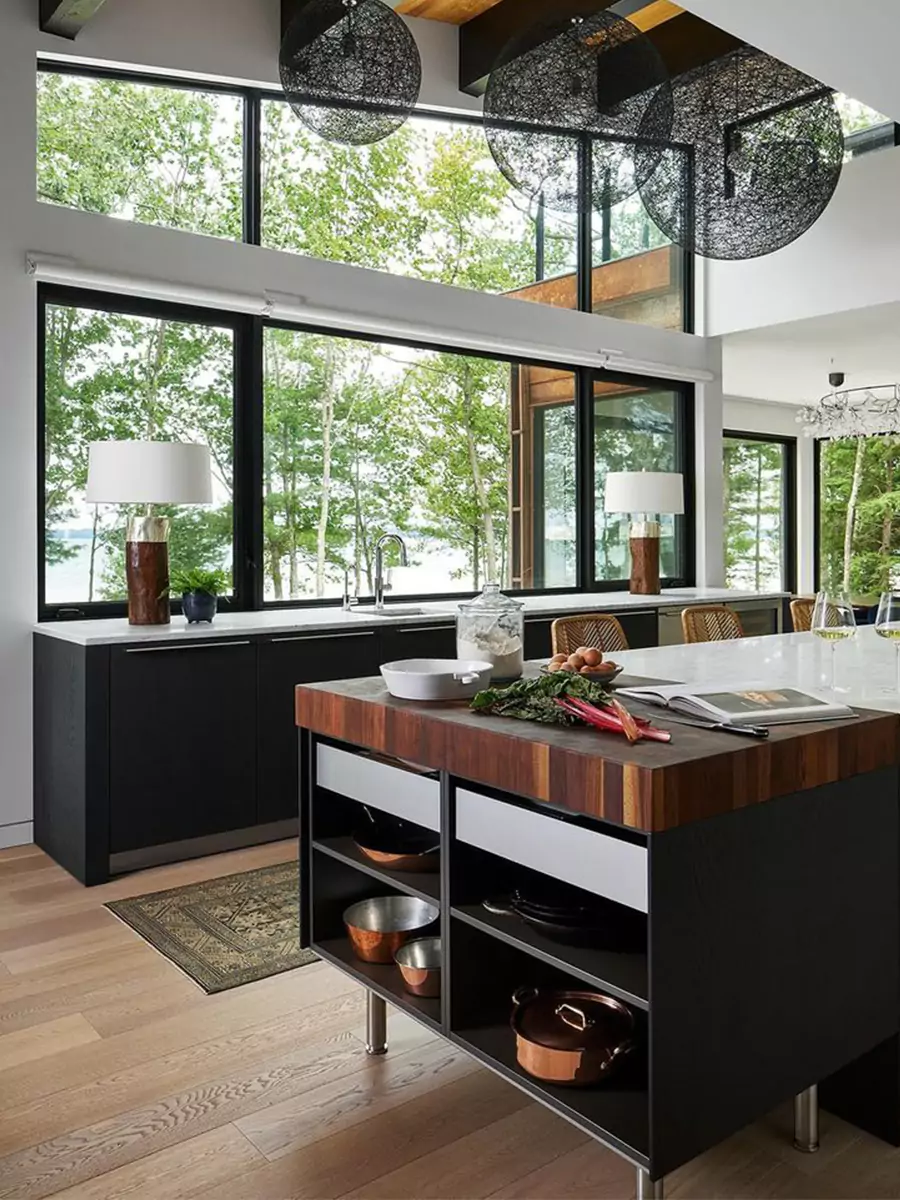
Lighting is one of the most under-appreciated, yet crucial, factors in interior design. We often think that a single ceiling light is enough, but in reality, a space needs layered lighting:
Top lighting – for general background;
Accent lighting – to highlight architectural details or artwork ;
Reading/task lighting – for functional needs, for work or relaxation;
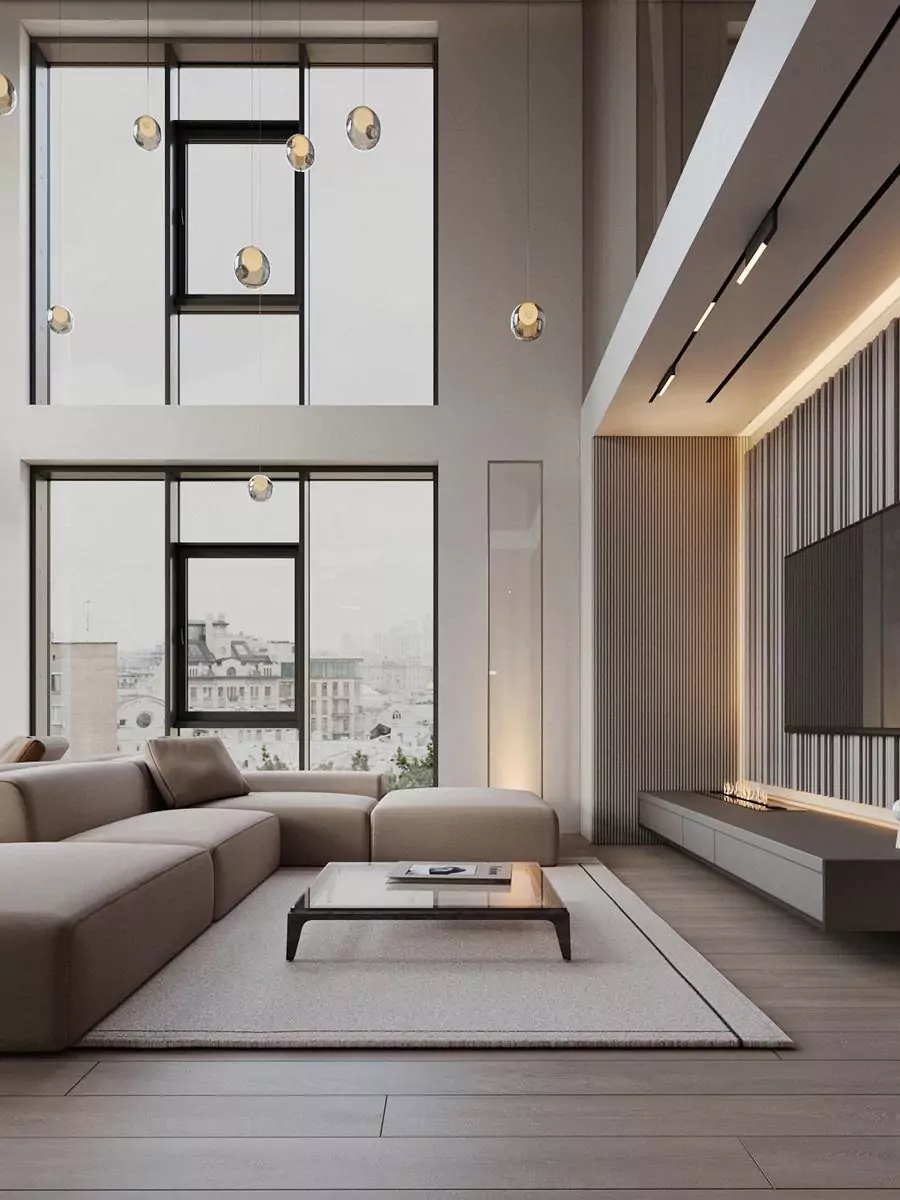
Proper use of natural light is also important – large windows, sheer curtains, and properly positioned mirrors bring light to life and make a room feel more spacious and larger.
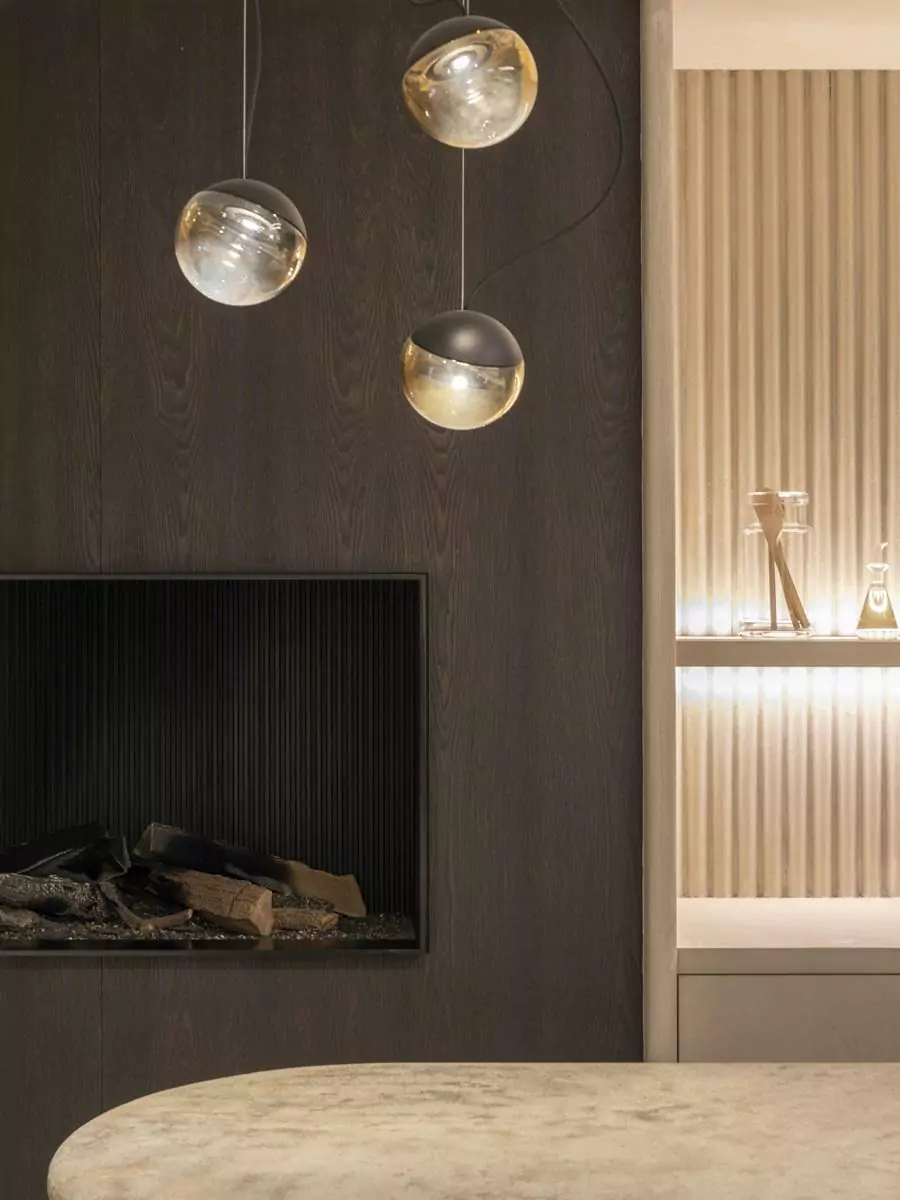
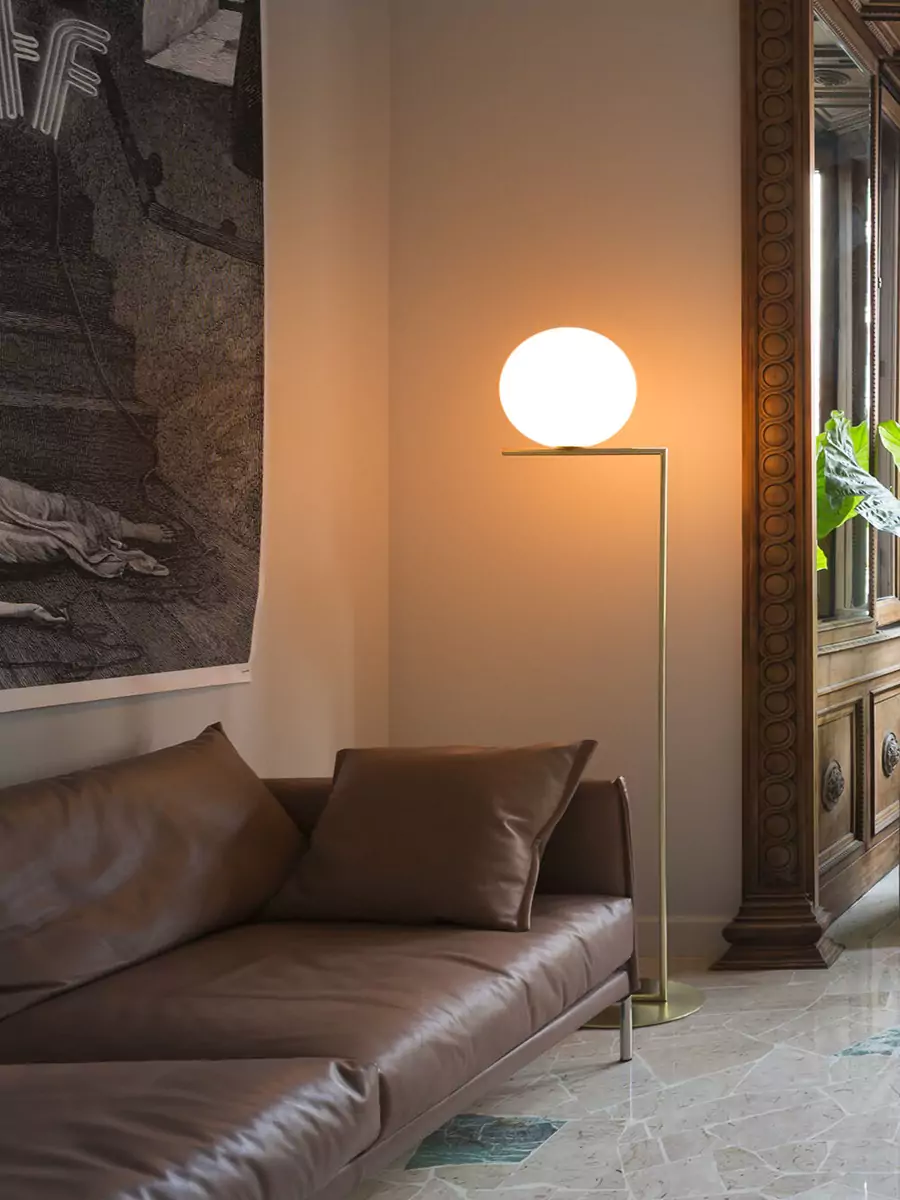
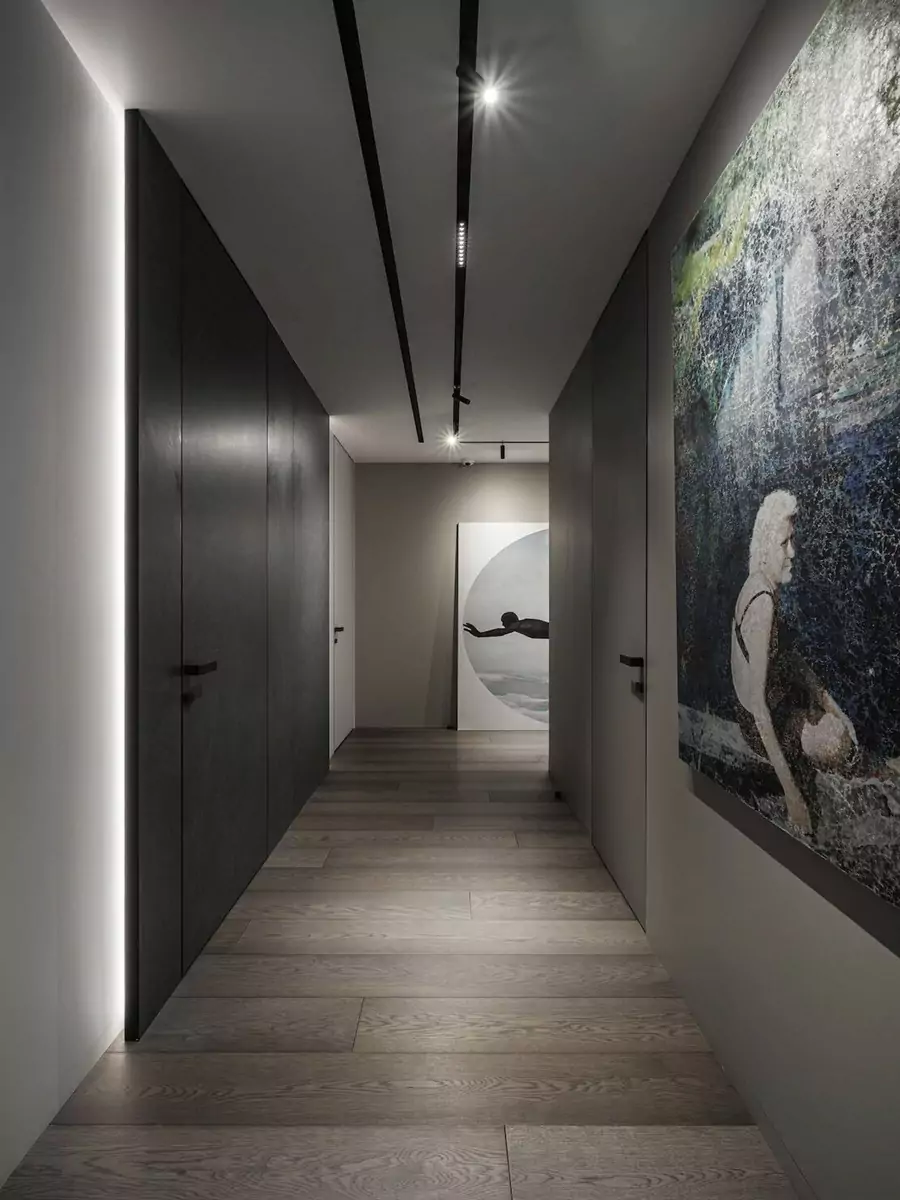

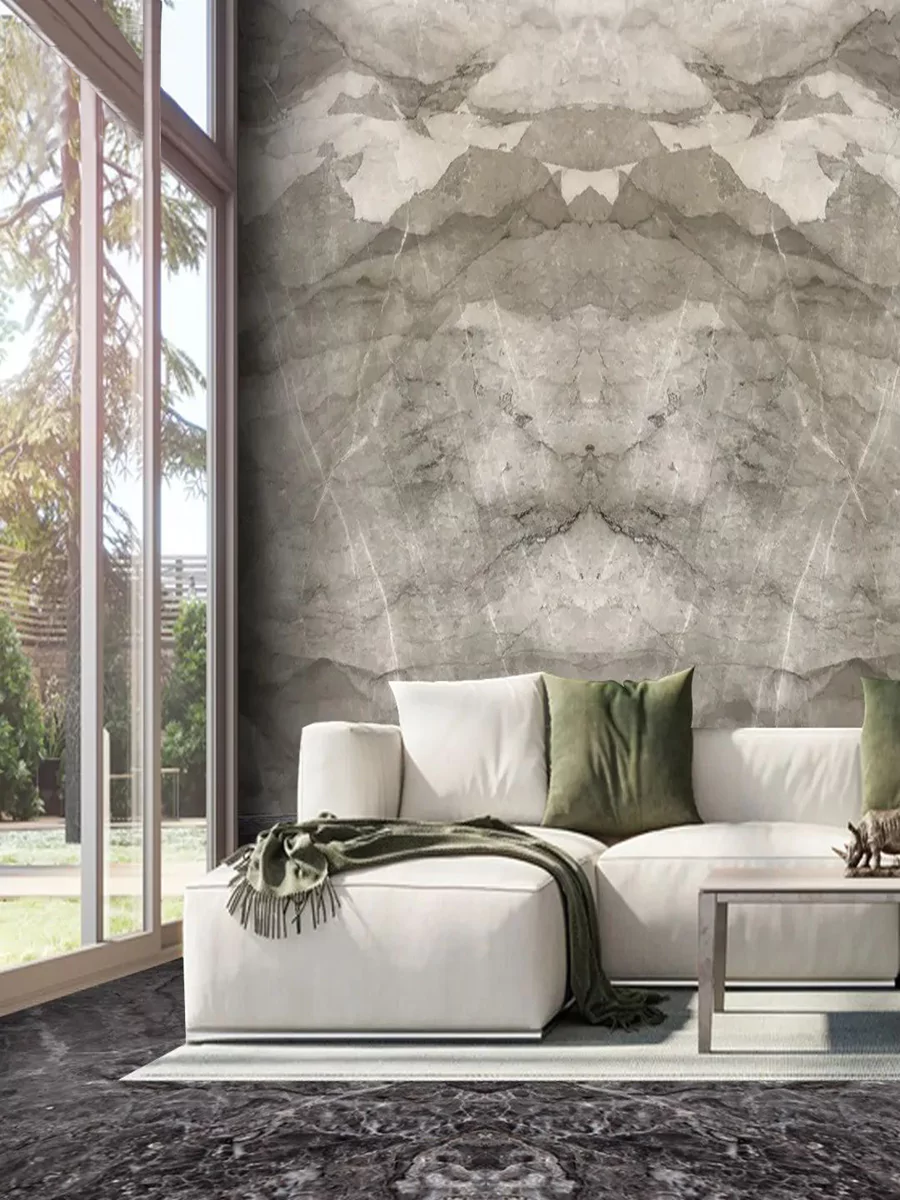
Color sets the mood, but texture adds emotion. For example, velvet pillows, felt rugs, or wood surfaces create visual and textural variety. When everything in a room is uniform, the space feels flat and lifeless.
Interior designers often play with textures and use interesting contrasts, such as soft fabrics against hard surfaces, or warm wood next to cold metal - this creates a sophisticated and modern effect.
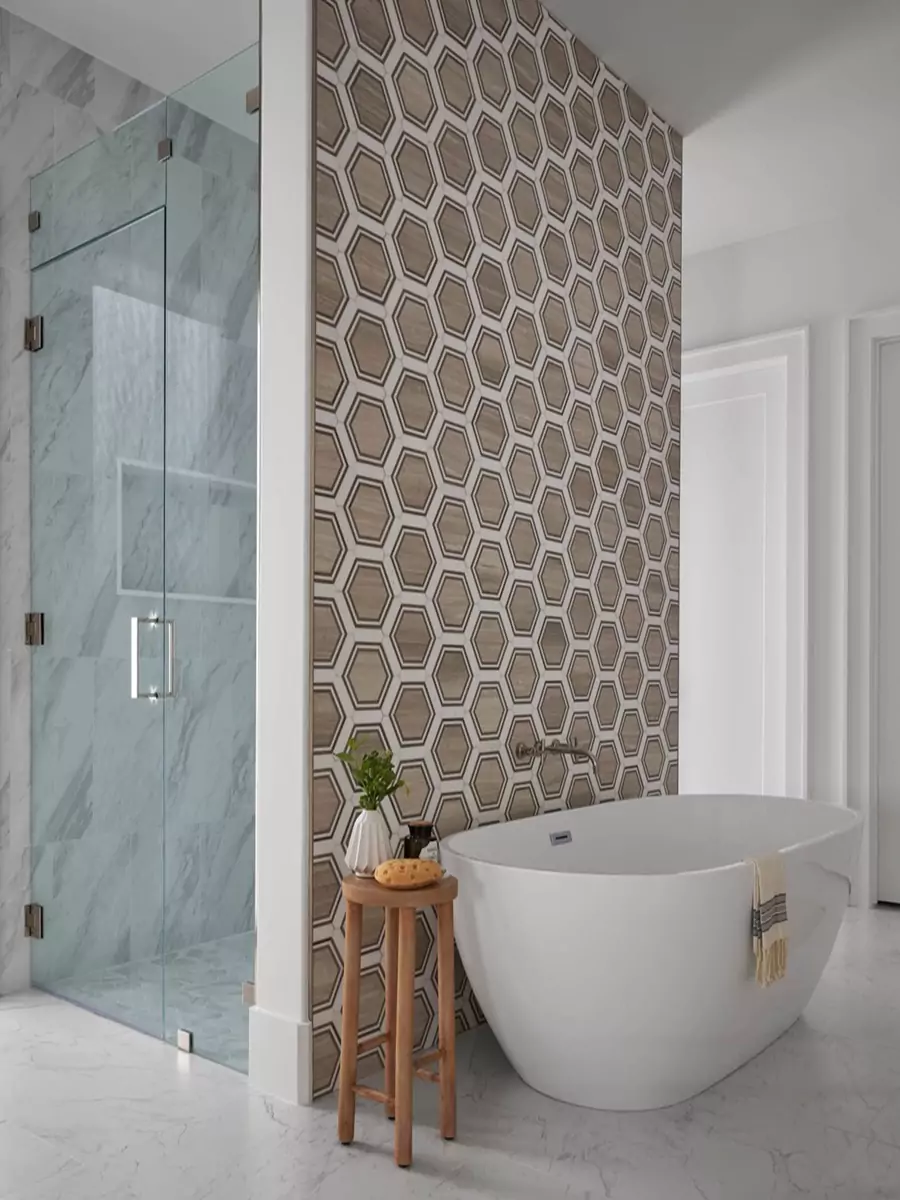
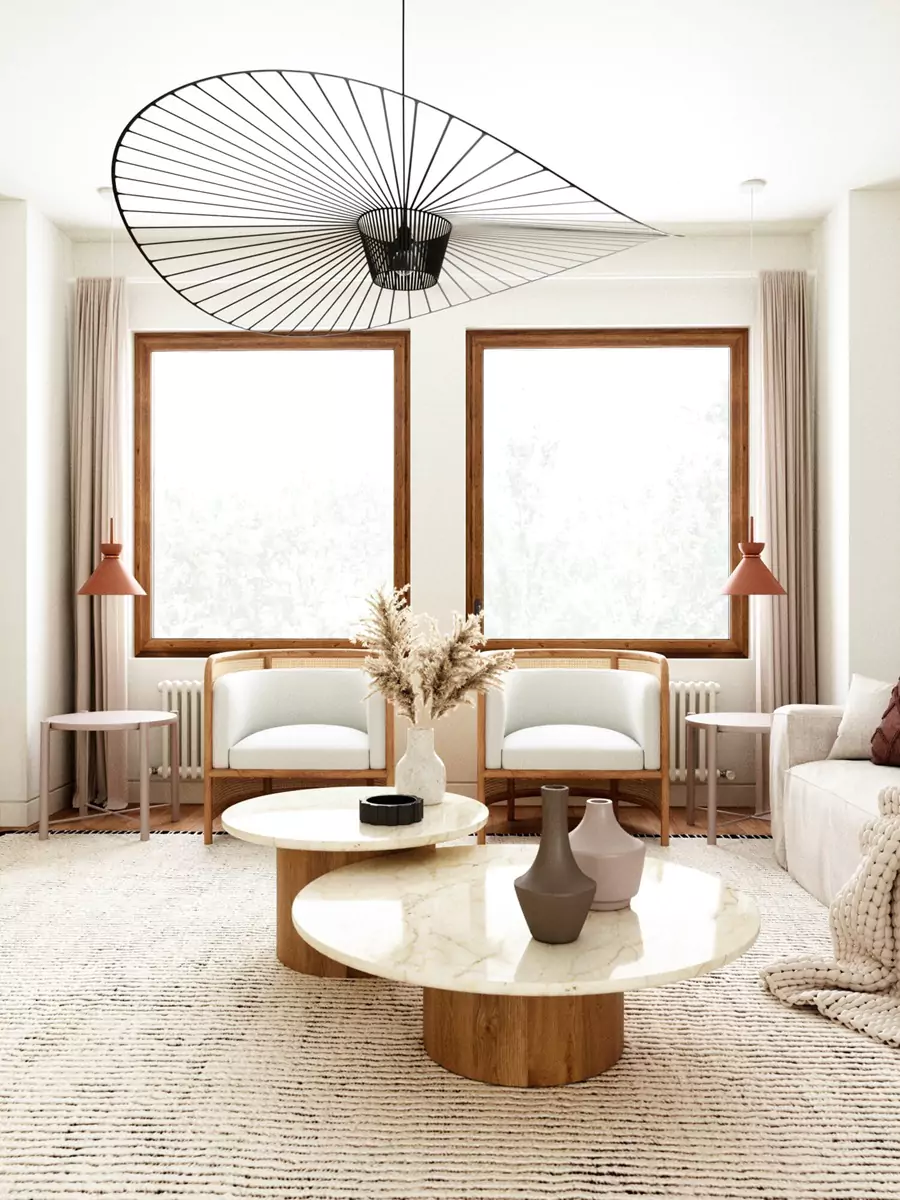
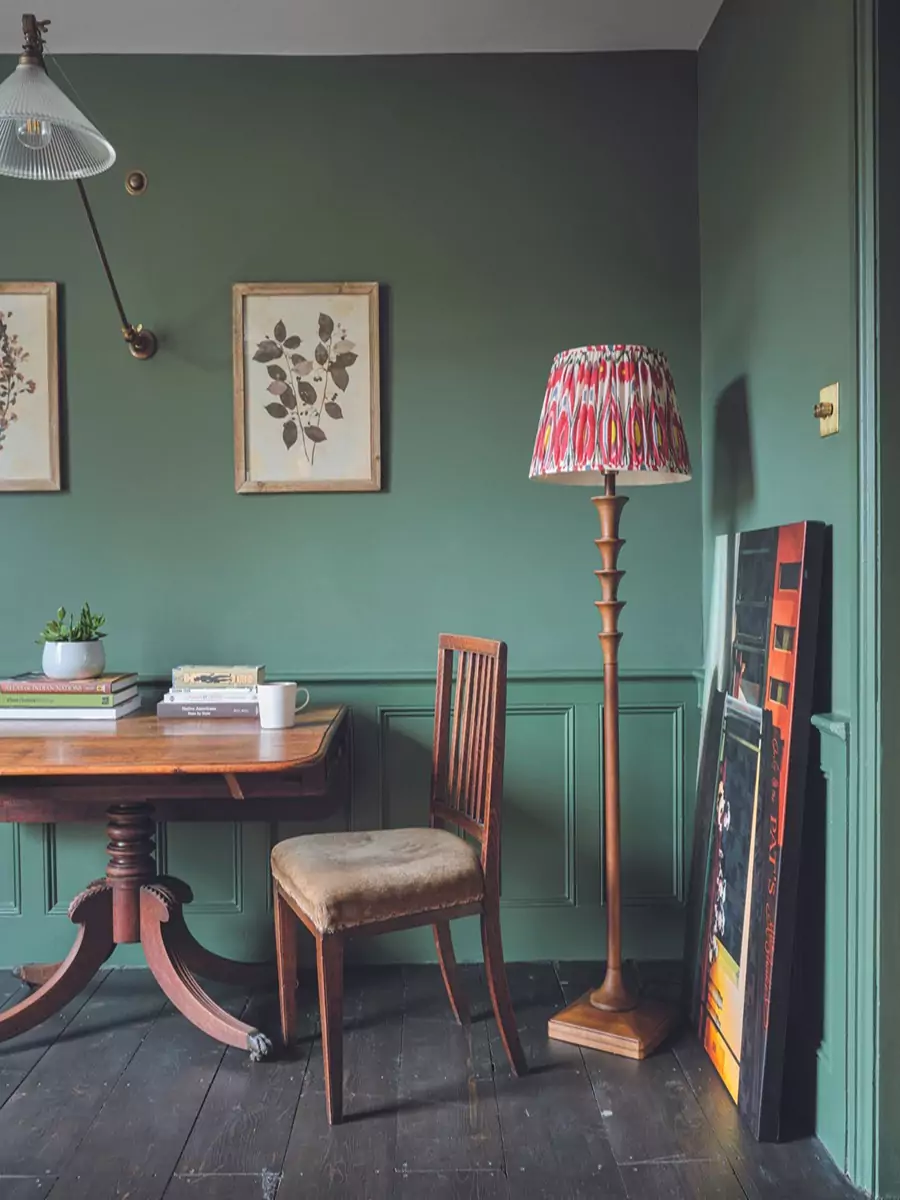
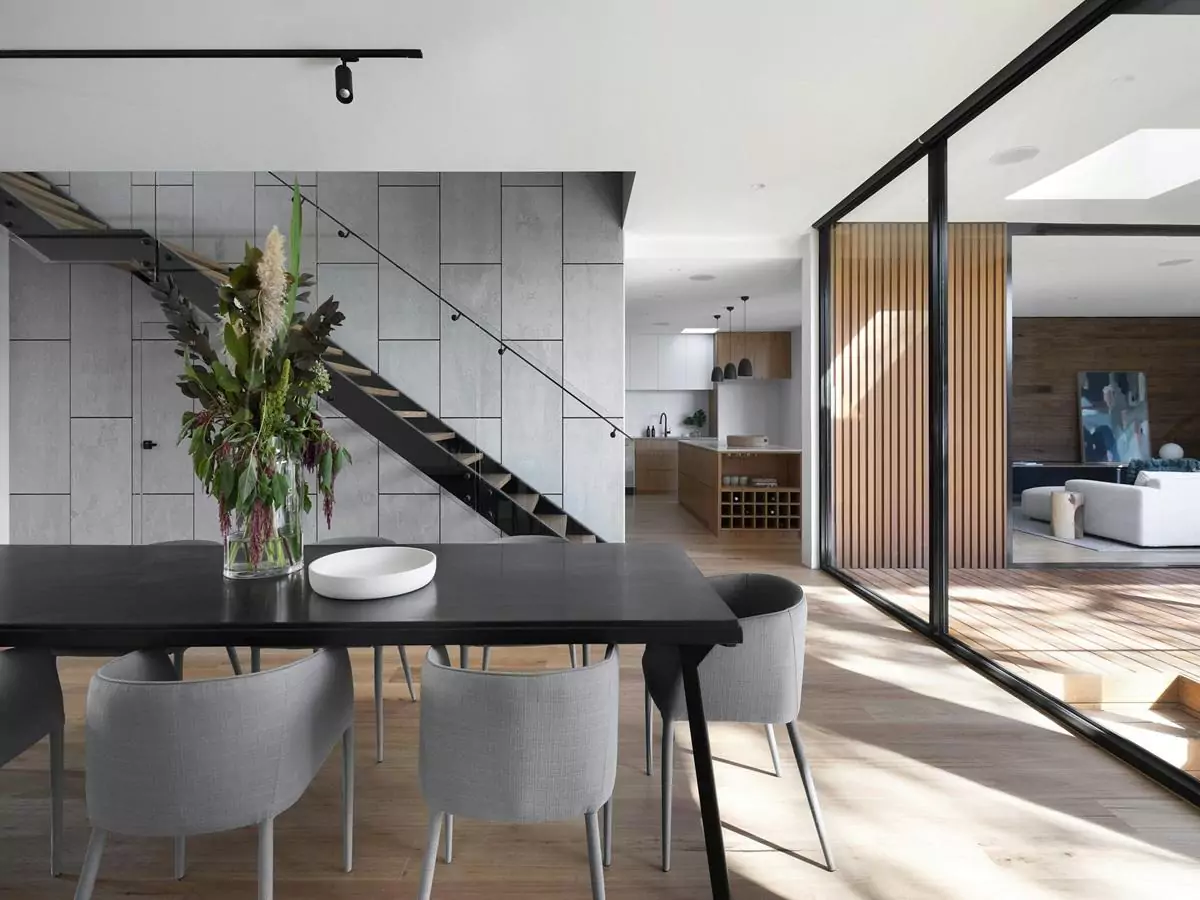
To create. For example, a kitchen and a living room, or a living room and a study can be combined. To separate the spaces from each other, you can use:
Such zoning not only adds aesthetic elements to the space, but also increases its functionality and makes the living or office space much more cozy and comfortable.
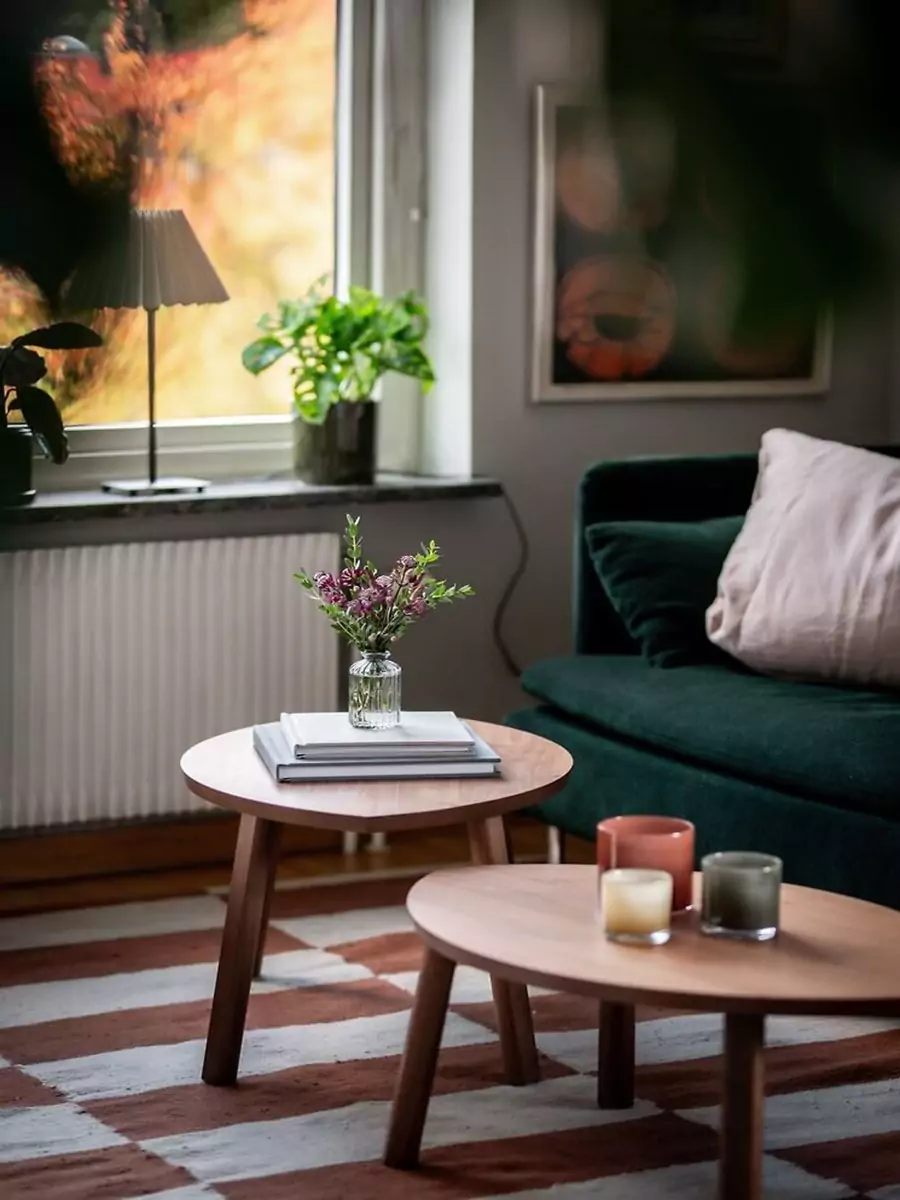
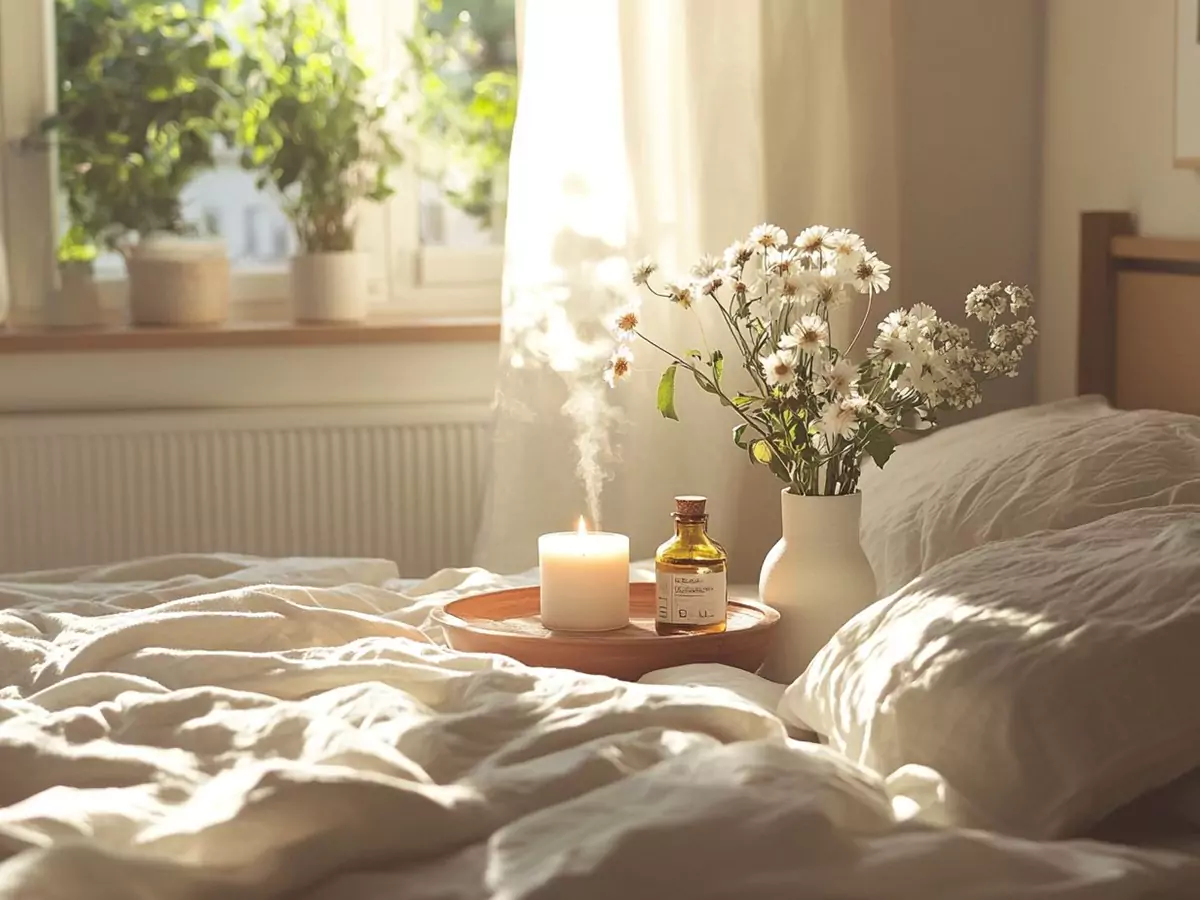
Interior design doesn't just end with what we see. Scent – even a subtle one – creates a mood and an emotional connection to a space.
We recommend using:
Scent is an invisible but integral part of interior design that gives a home a memorable character.
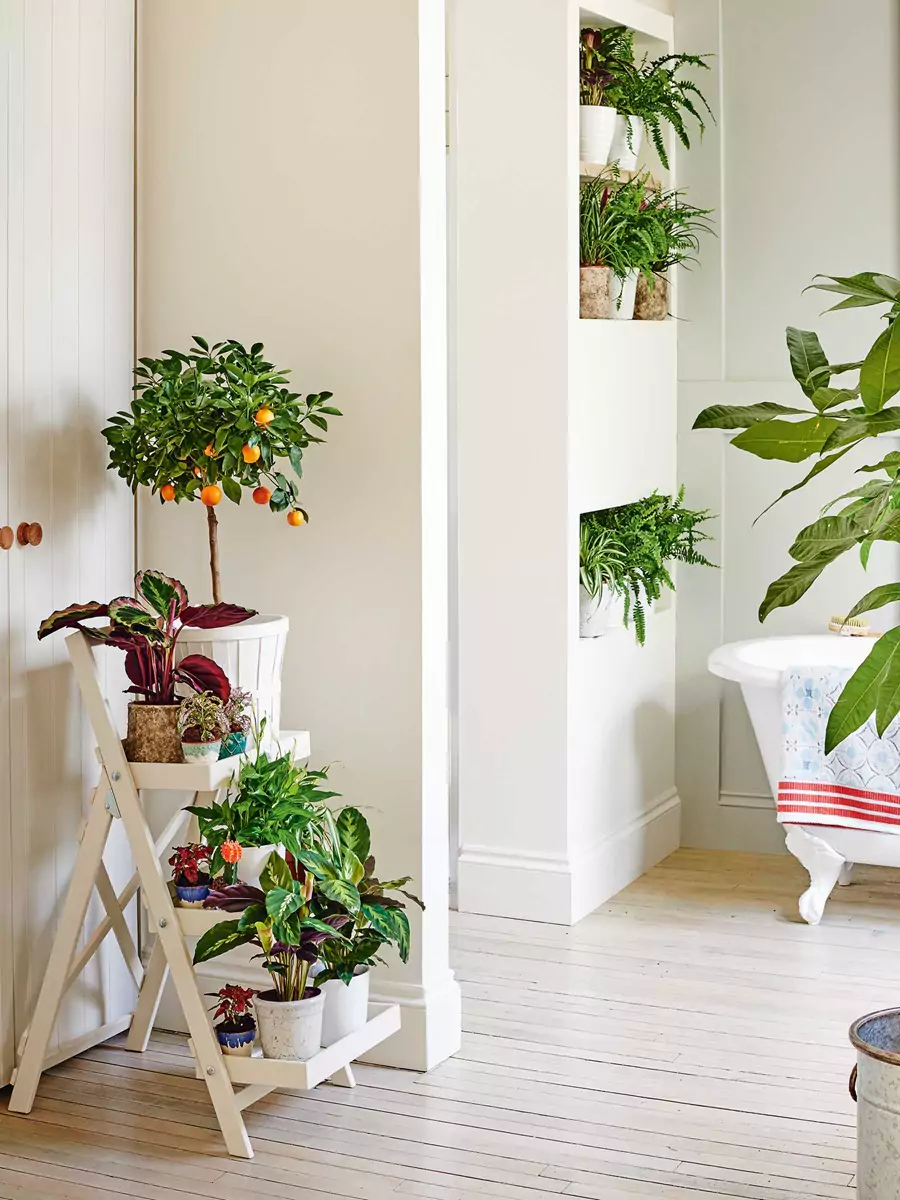
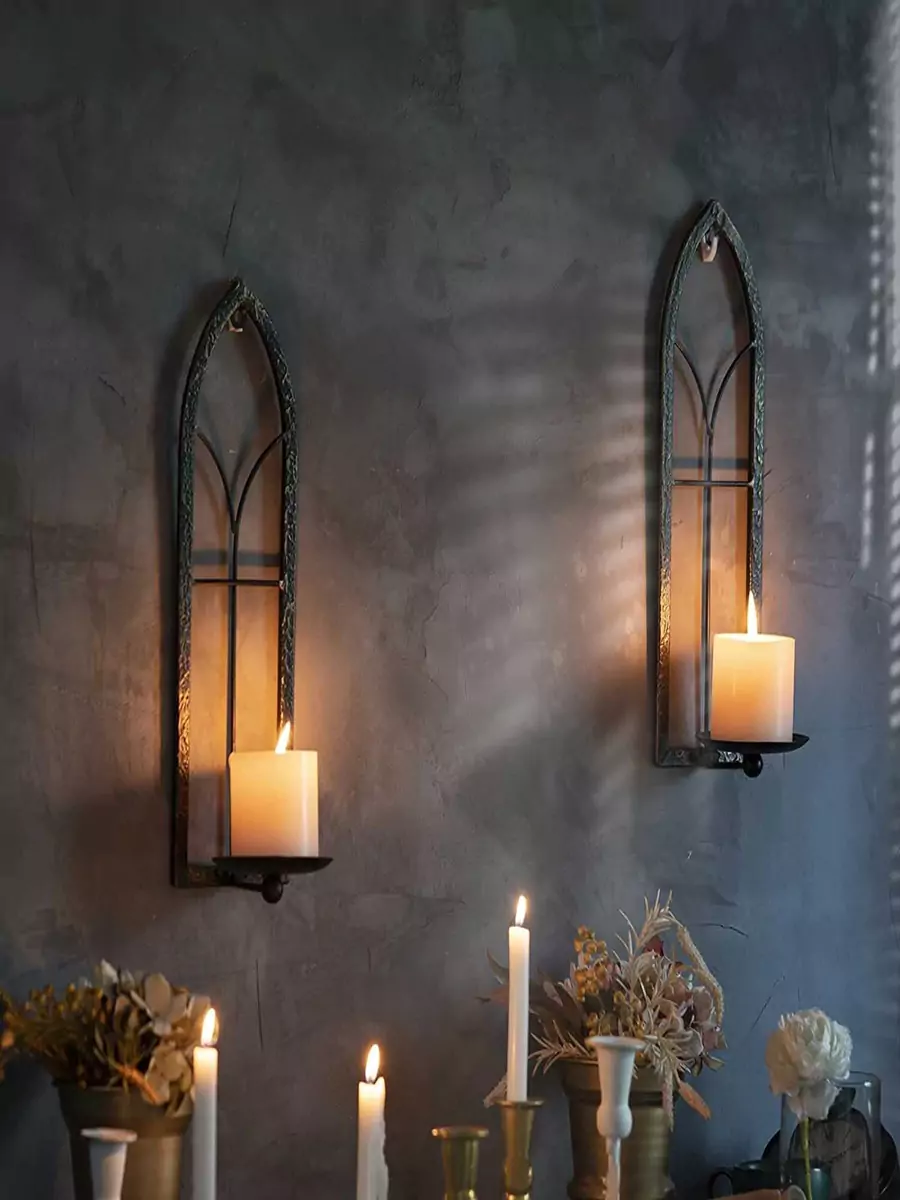
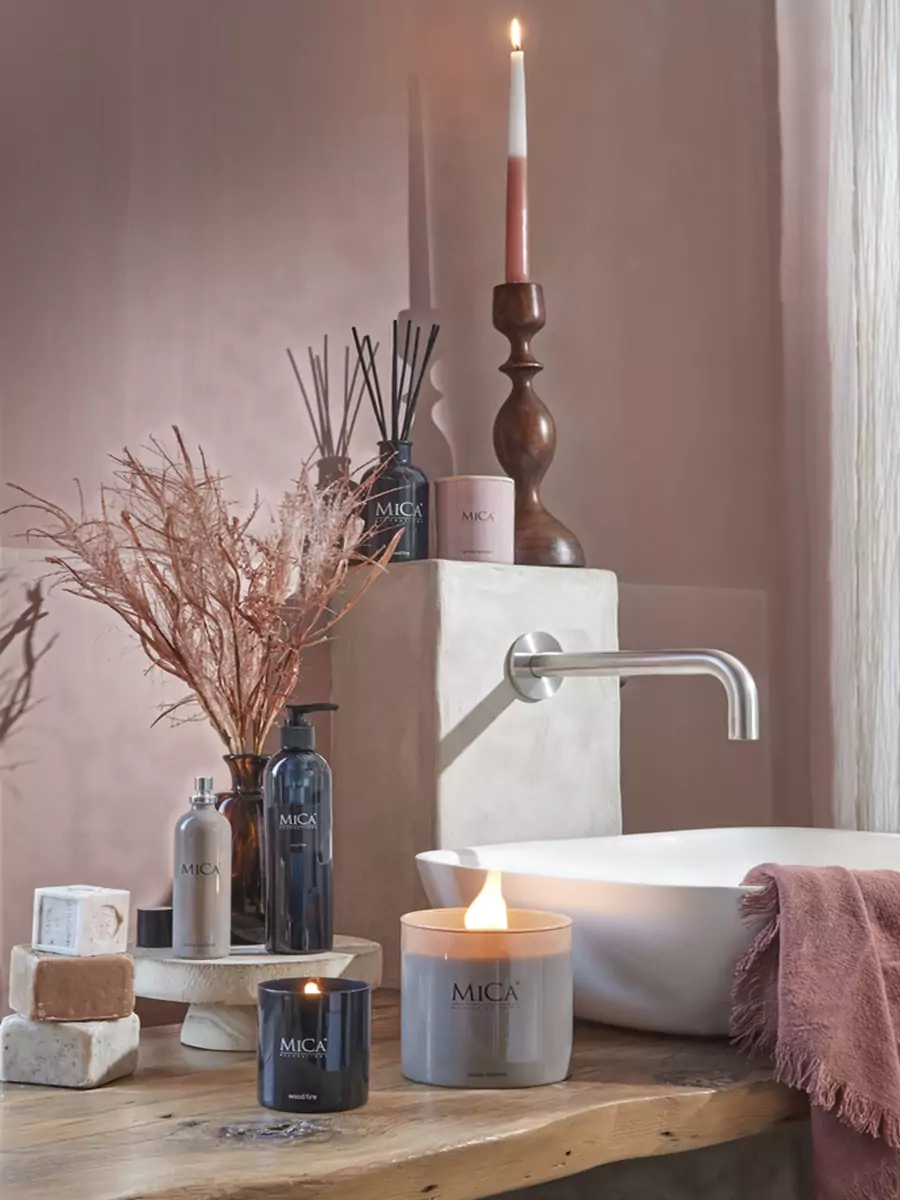
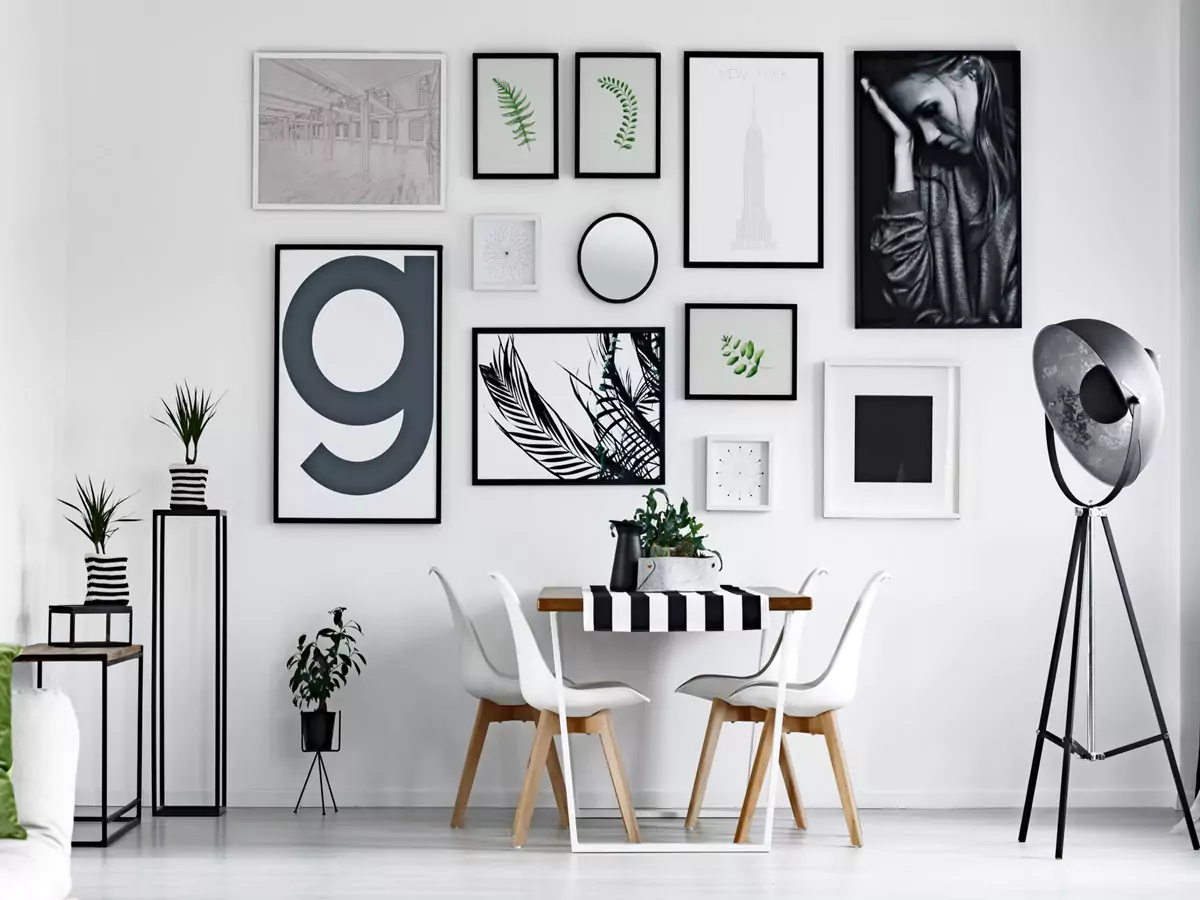
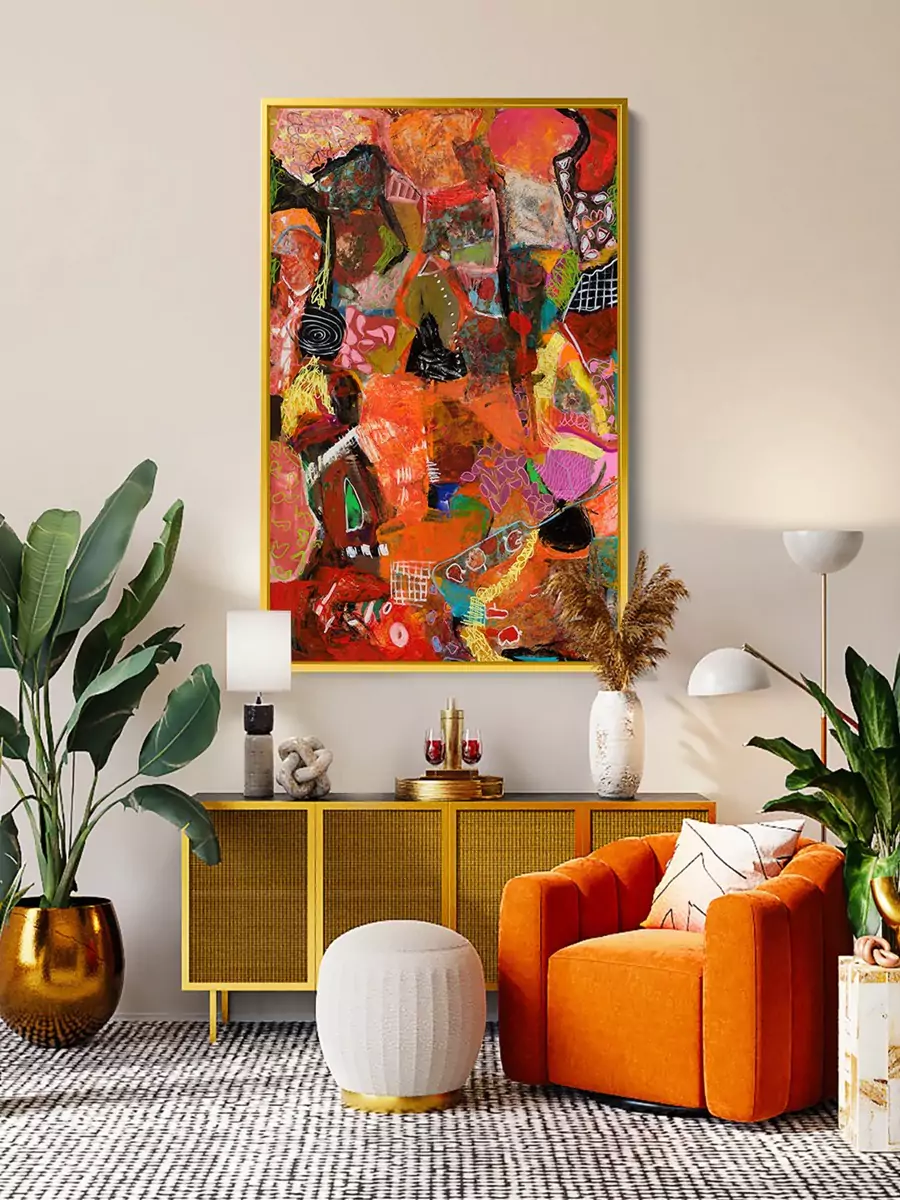
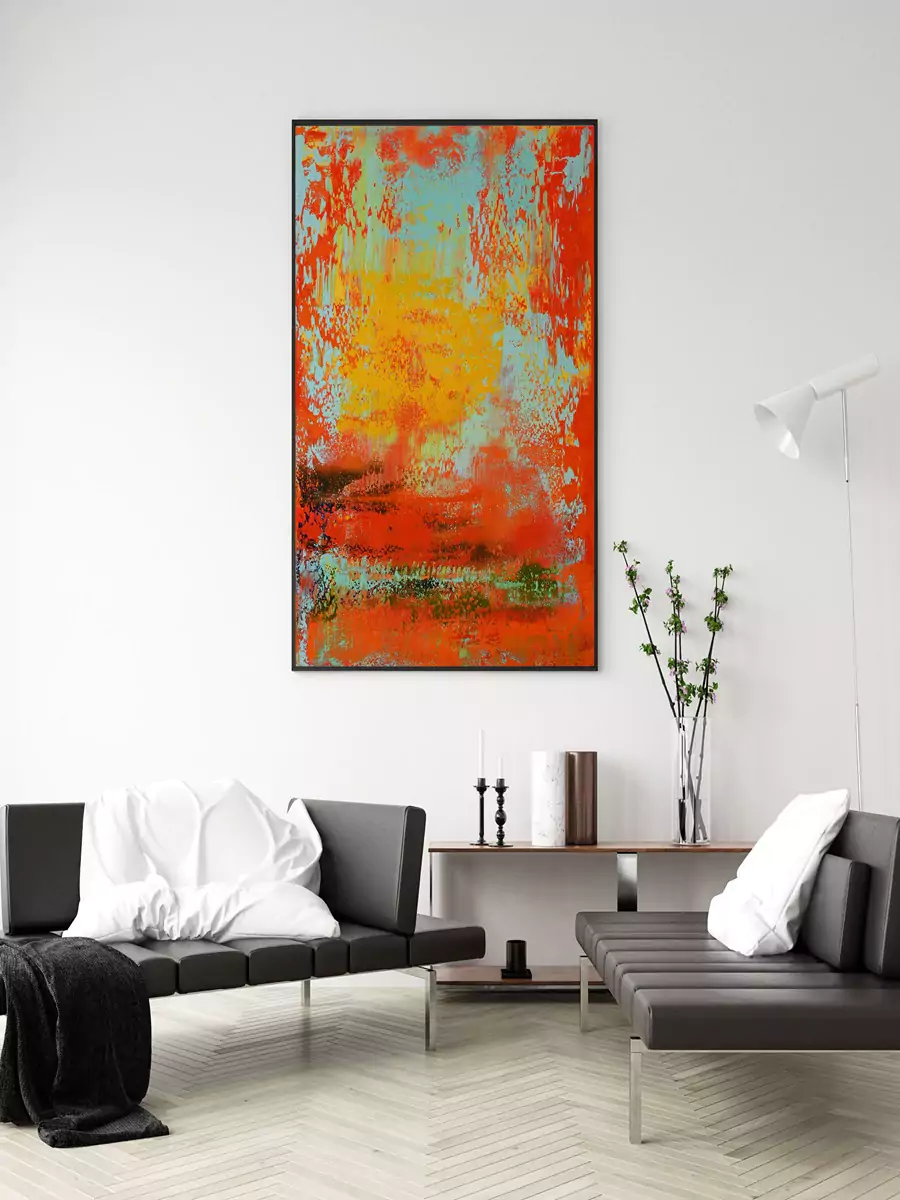
Walls should not be left empty. Works of art not only satisfy aesthetic needs, but also reflect your taste, values, and inner world. In the interior you can use:
When selecting, it is important that the art resonates with the energy of the room and does not "eat up" the space.

In modern interior design, the effect of cleanliness is particularly valued – that is, the simplicity of space, where unnecessary things are not visible and everything is in its place. To achieve this, you need:
Nowadays, we find technology in almost every room – TV, laptop, smart lights, chargers… and with all this – a lot of cables. Unorganized cables break the overall harmony and create a chaotic impression, while hiding cables or built-in electrical systems creates a feeling of cleanliness.
In contrast, simple and sophisticated interior design also improves psychological comfort – creating a sense of calm and organization.
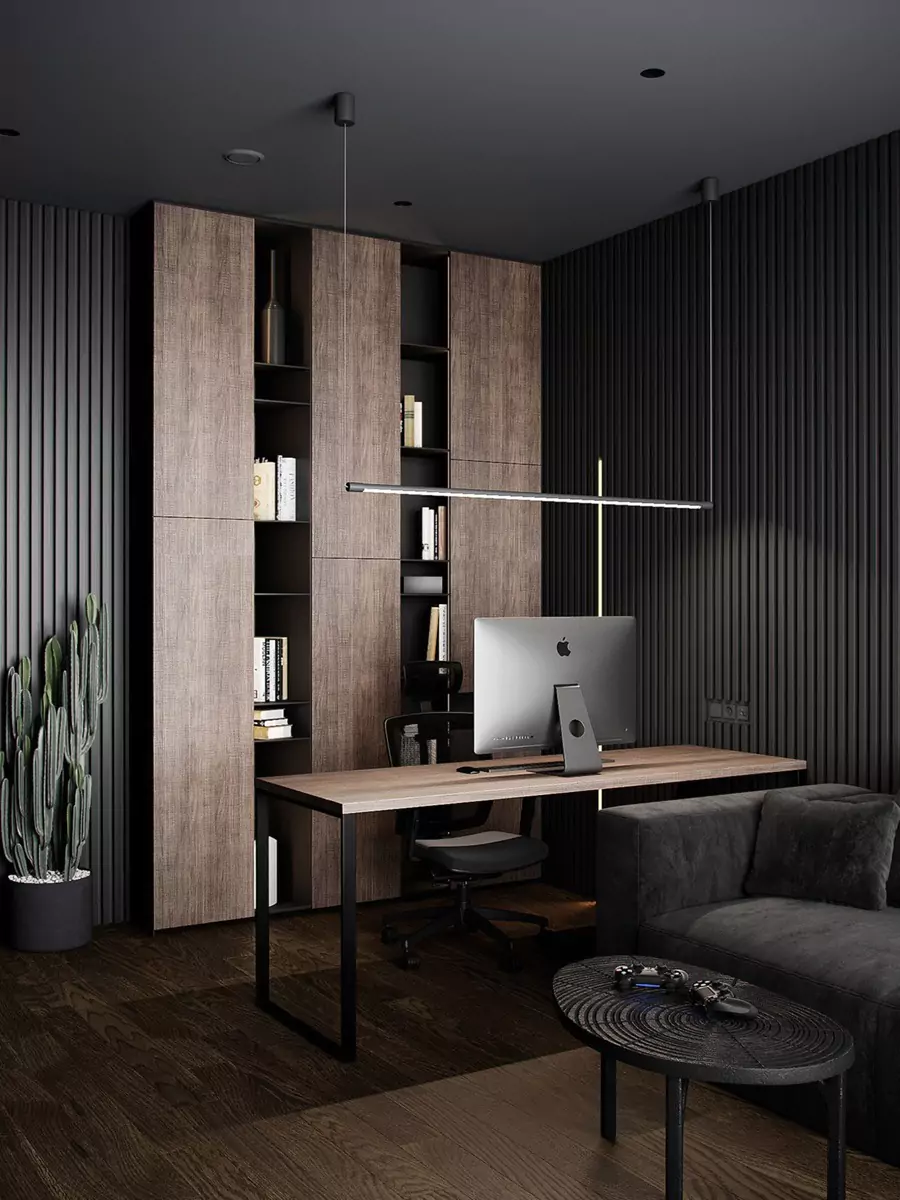
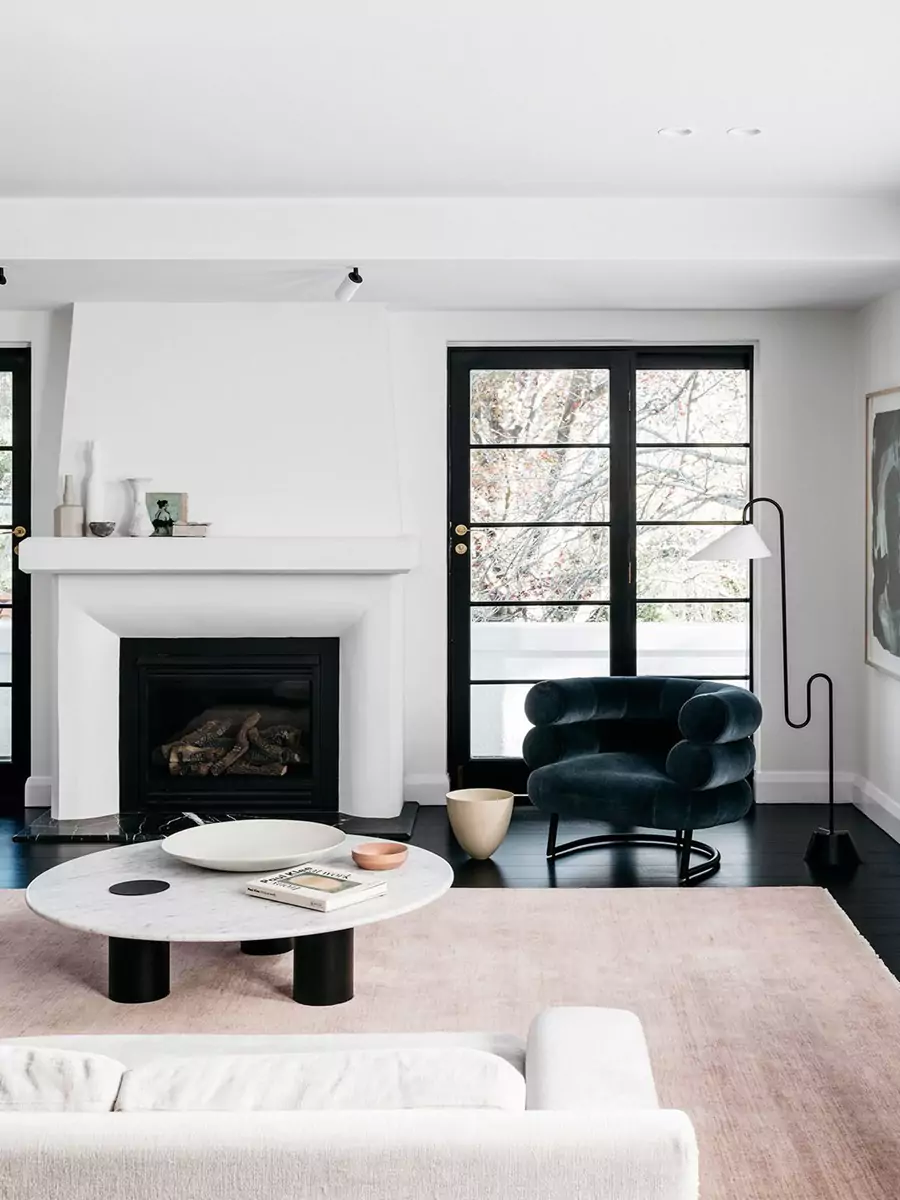

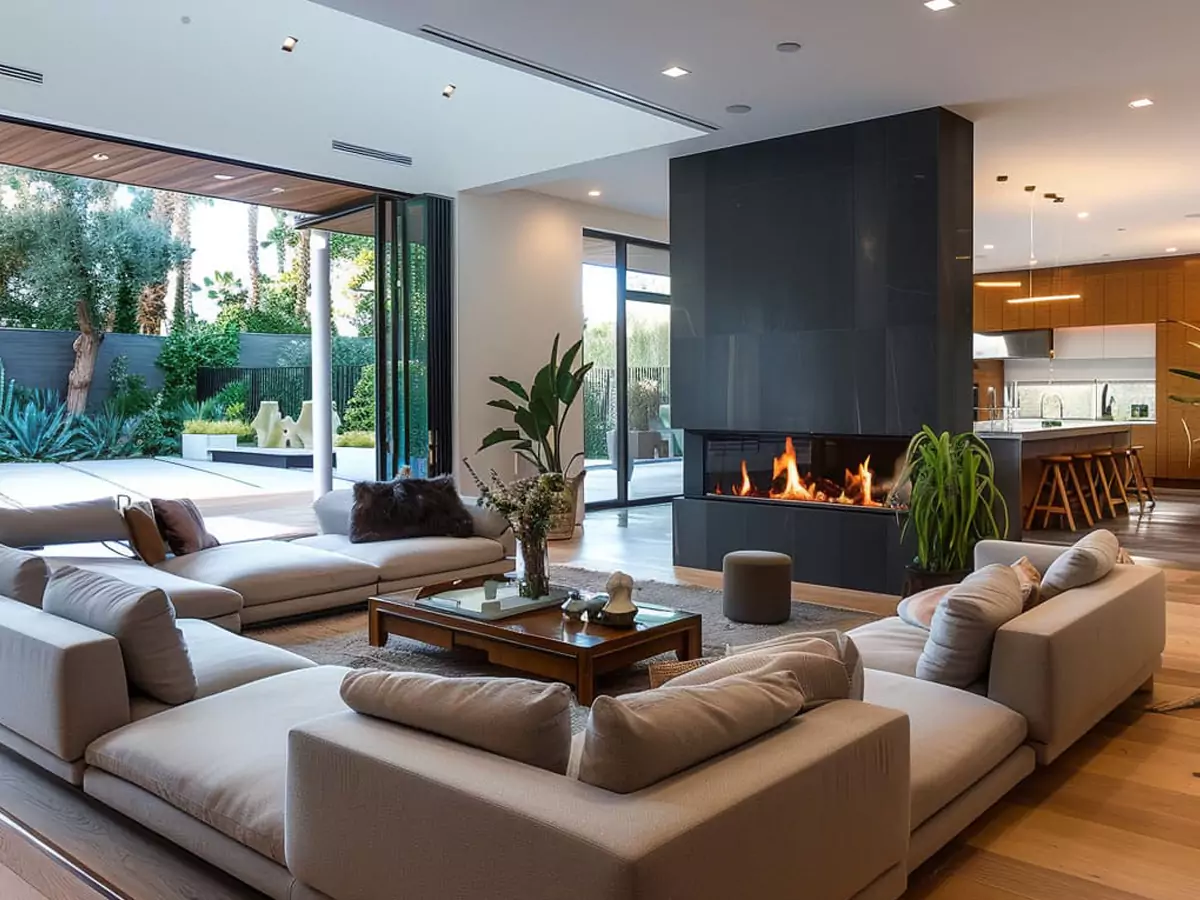
Interior design is not just about creating a “beautiful room” – it is an expression of lifestyle, balancing emotional and functional comfort. Often, it is the details that are crucial that are invisible to the eye. Remember – light, texture, scent, zoning and organization are the invisible heroes that will turn your space into a comfort zone.
Minimalism does not mean emptiness. It means meaningful and thoughtful choices. In a minimalist interior, each element compensates for the absence of the others – which requires precise selection of colors and geometric details. Attention to this detail is what distinguishes a simple room from a professionally crafted interior.
The perfect interior is not just perceived with the eyes, it is experienced with all the senses. That is why, if you need an interior designer, visit our interior design services page , and our professional designers will turn your living or working environment into a cozy, comfortable and modern space.
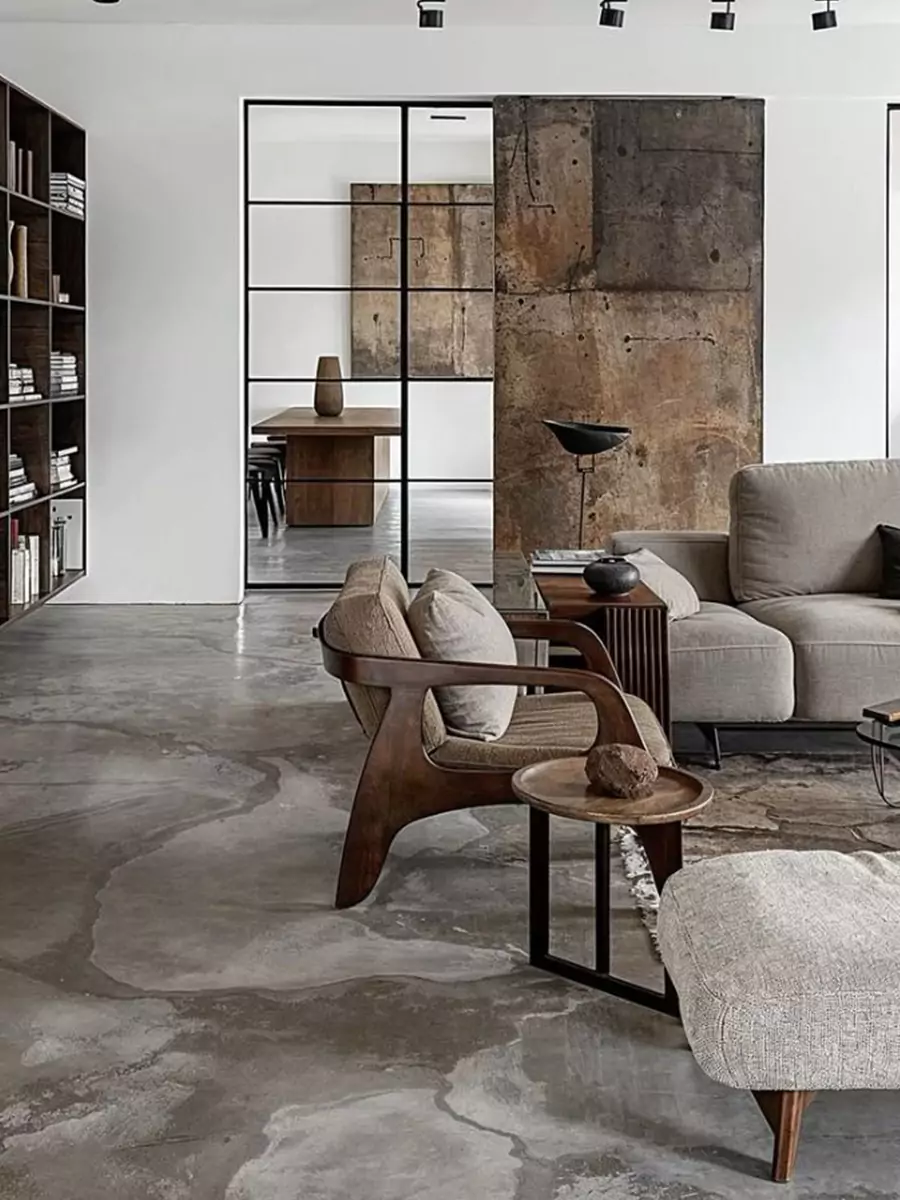
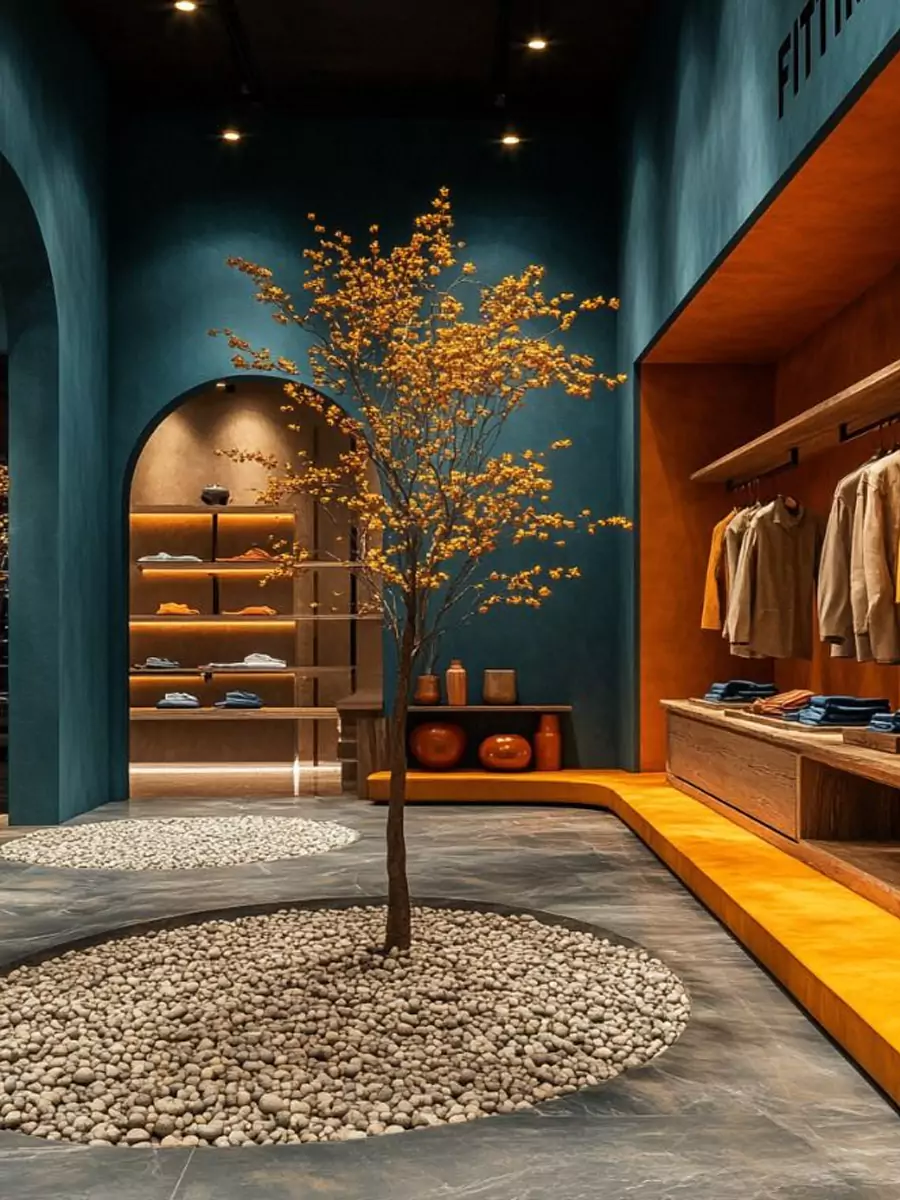
You are probably in the process of renovating your home, and you will inevitably have questions. If you did not get all the answers from the blog, we offer flexible services during the home renovation process:
Optimal arrangement of furniture and appliances
Designer's palette selection
Consultation on the selection of materials to be used