
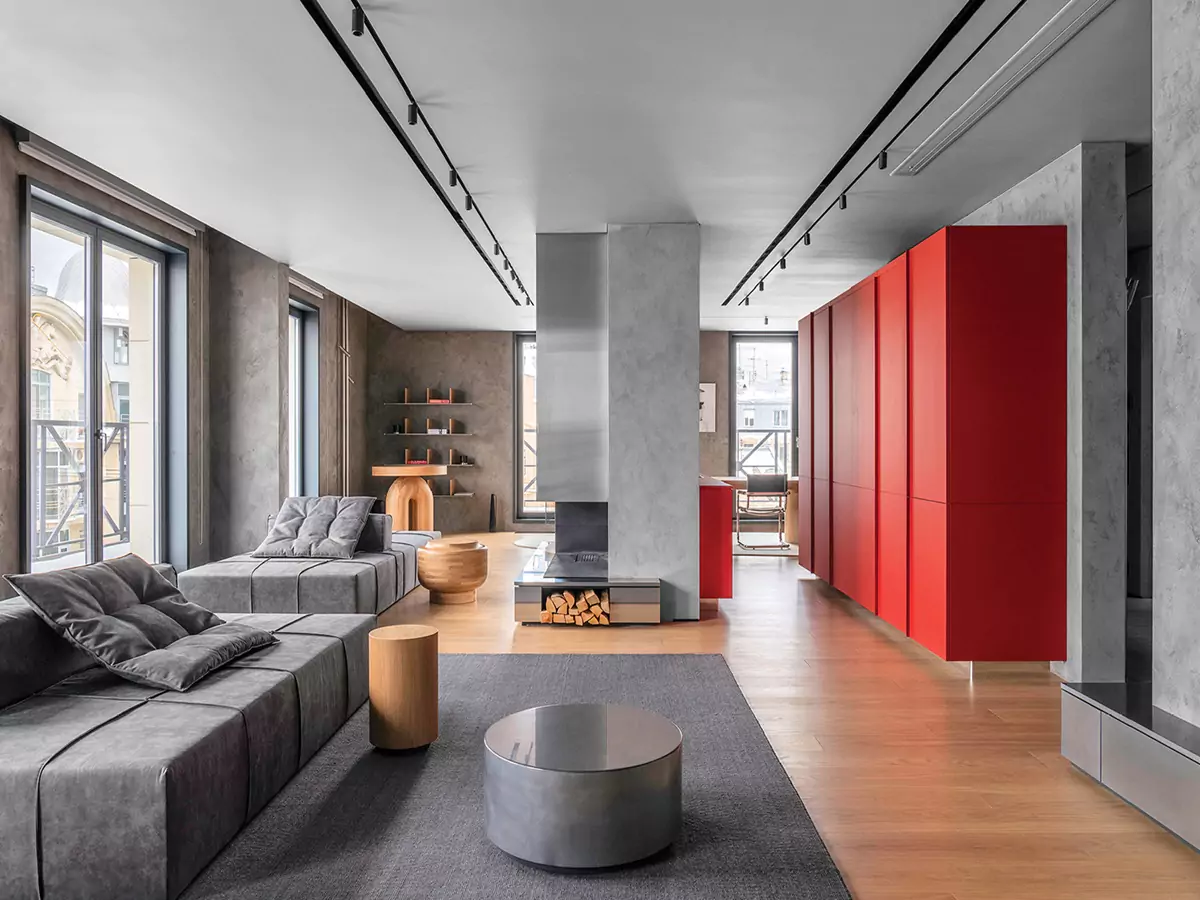
If you are planning to design an interior, you should consider some of the most common mistakes.
Table of contents:
1. Common mistakes in the home design planning process
4. Excessive amount of things and chaos
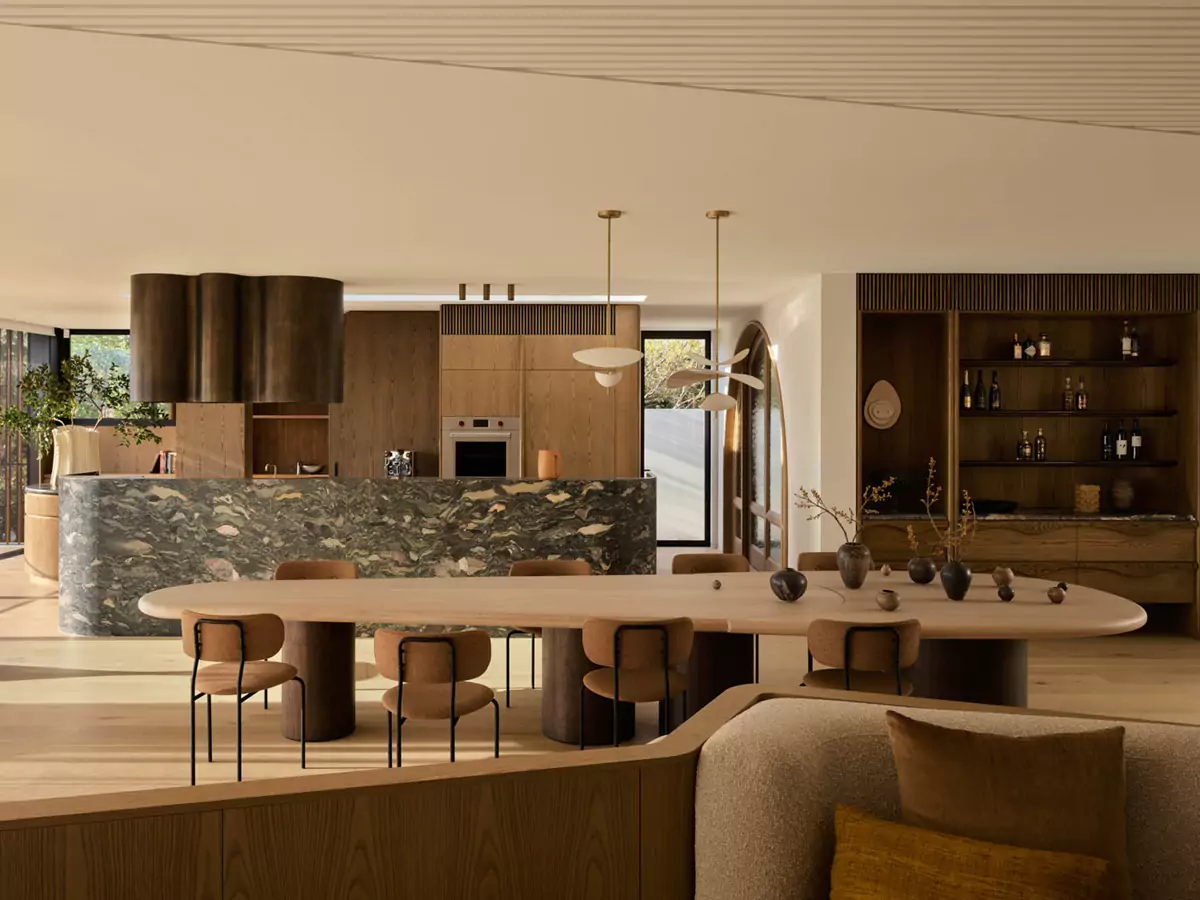
Interior design is a very interesting, yet quite complex and time-consuming process for many. When thinking about creating a beautiful and cozy space, we often forget about details that can later become serious challenges.
So, if you're planning to design an interior, you should consider some of the most common mistakes that will help you save time and energy, and the end result will be much more effective.
Interior design today is no longer just a matter of aesthetics — it has become a pillar of everyday comfort, quality of life, and sometimes even psychological peace of mind. Home décor often reflects a person's style, values, and lifestyle.
That is why interior design requires not only taste, but also foresight, planning, and attention to detail.
If you're planning to create a new space in your life or renovate an old one, this blog will help you understand what can hinder you in the process and how to avoid mistakes that often go unnoticed when creating interior design.
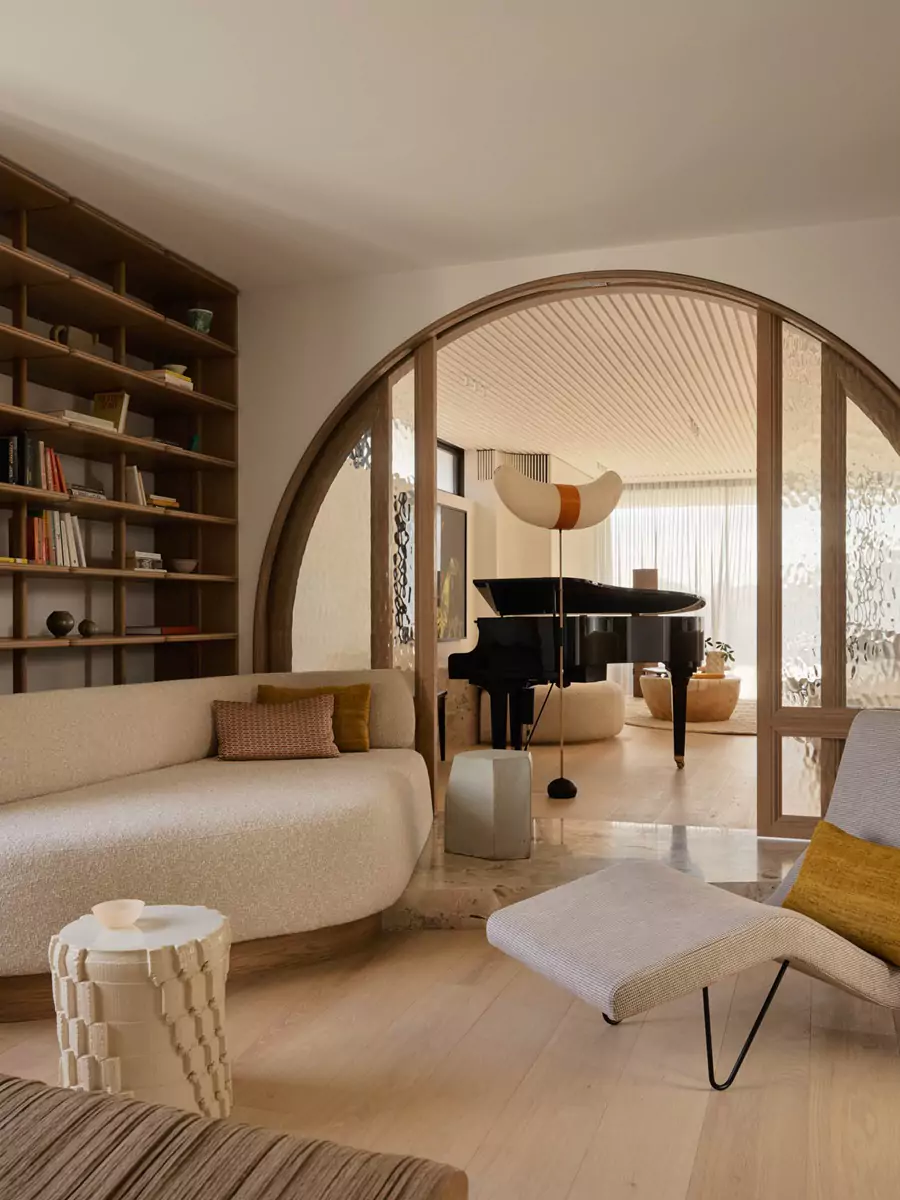

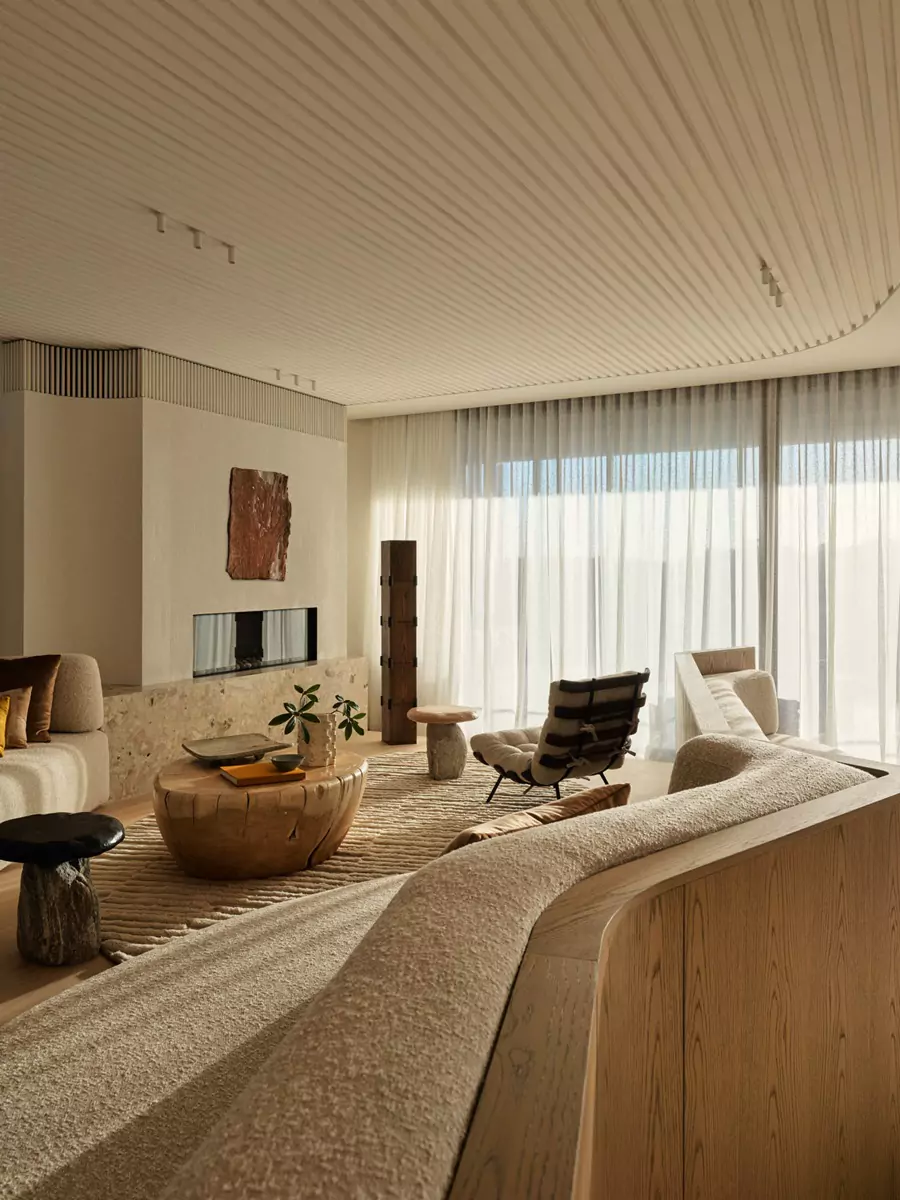
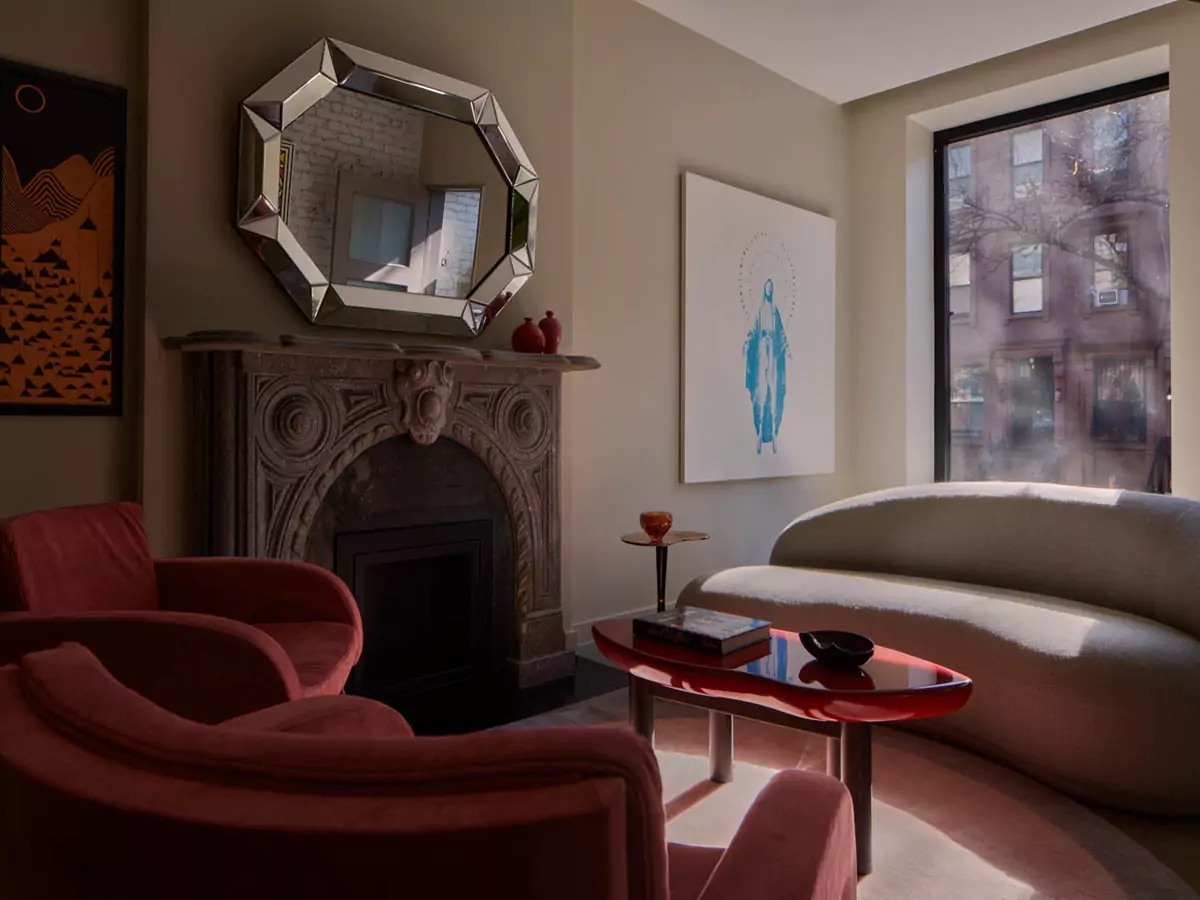
It all starts with interior design. If you don't know from the beginning what kind of space you want to live in, what function each zone will have, or what mood the rooms should have, the end result may not meet your expectations.
Before creating an interior design, find the photos you like the most, think about your lifestyle, and check what you expect from the space.
Planning shouldn't just be about furniture placement—it should include lighting, comfort, and color psychology.
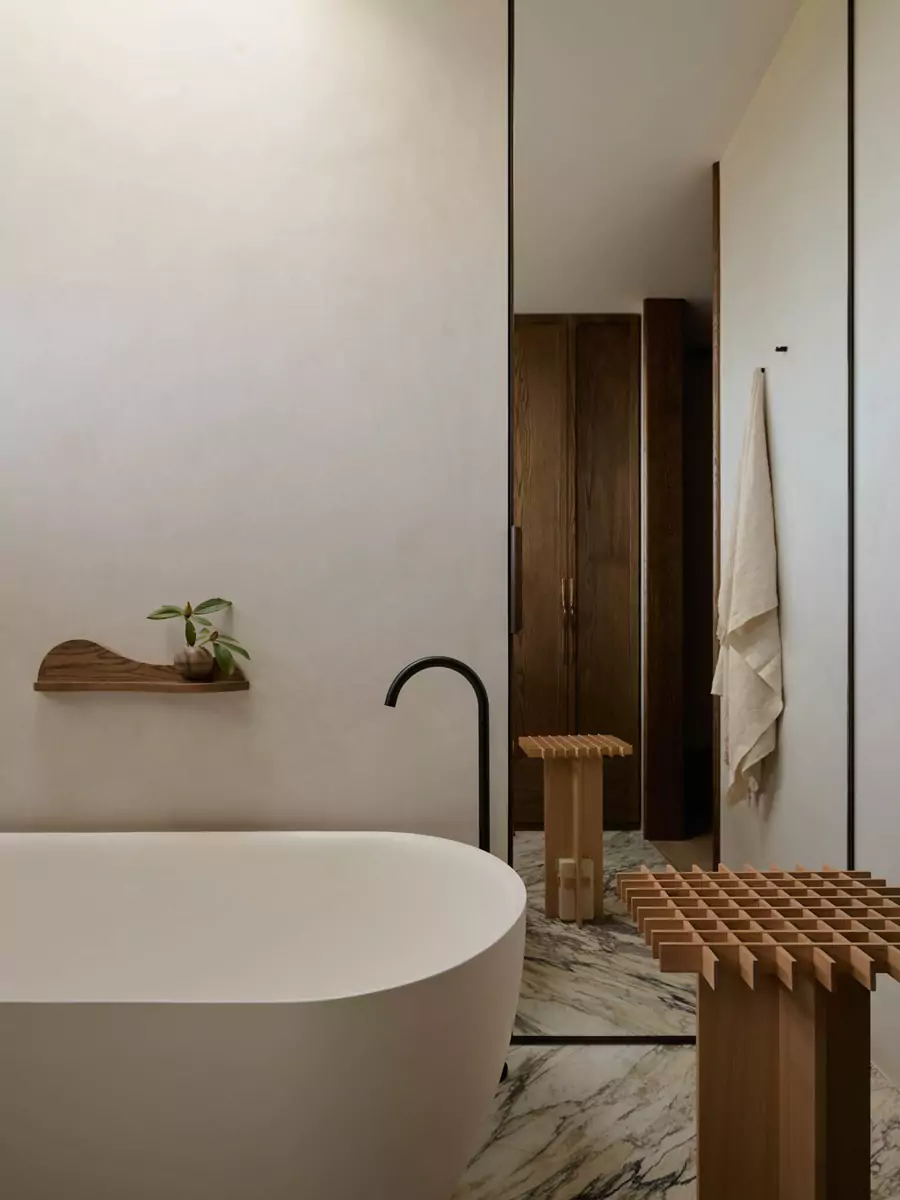
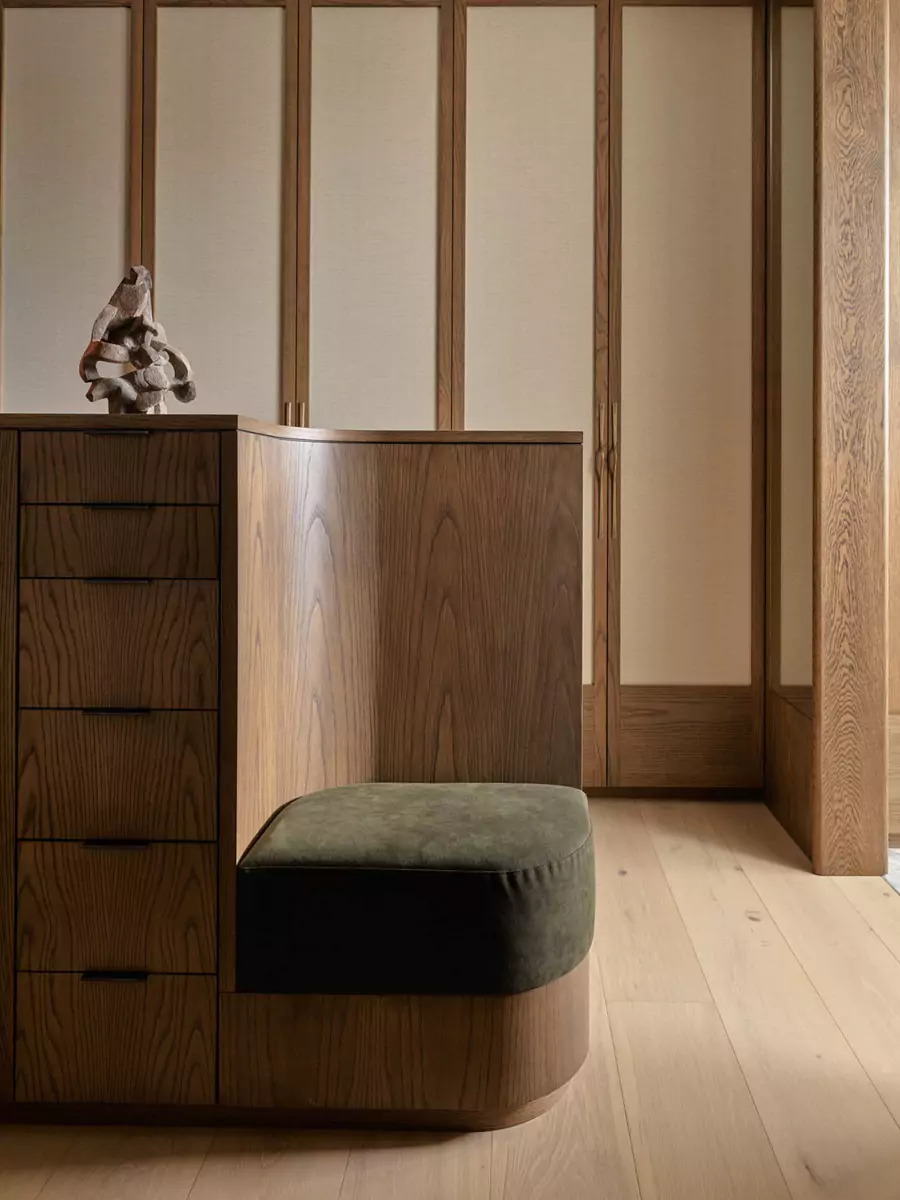
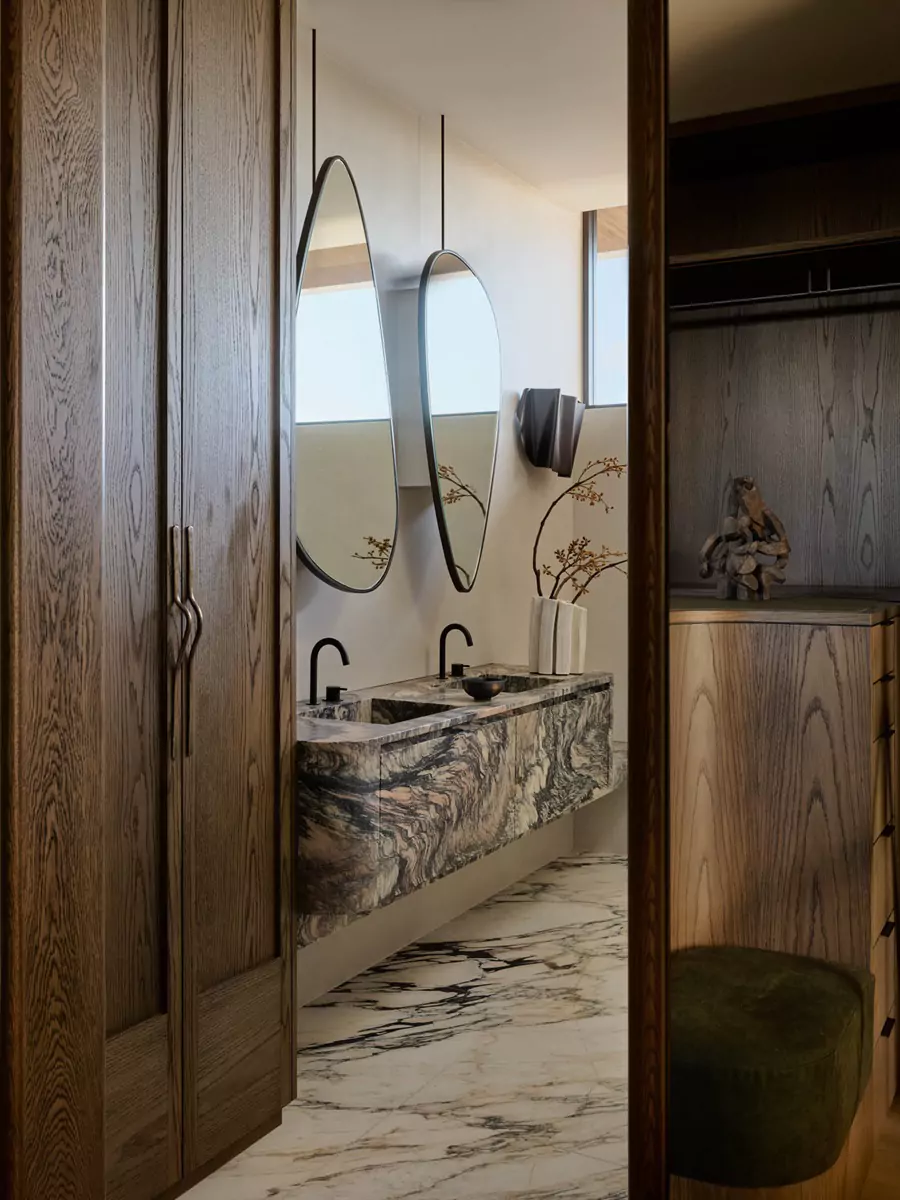
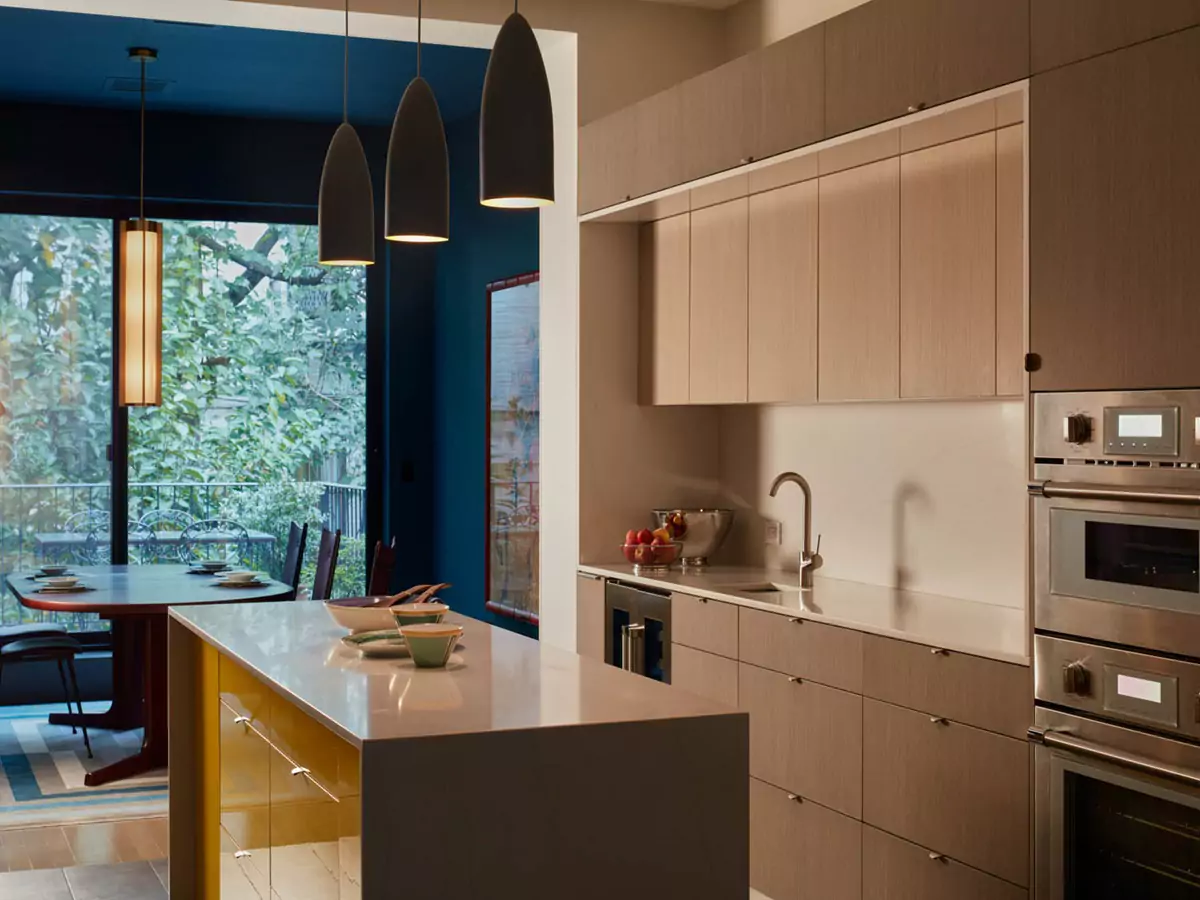
Modern interior trends are fascinating — but fashions change, while homes remain constant. It's common for a space decorated with only trendy solutions to become outdated within a few months.
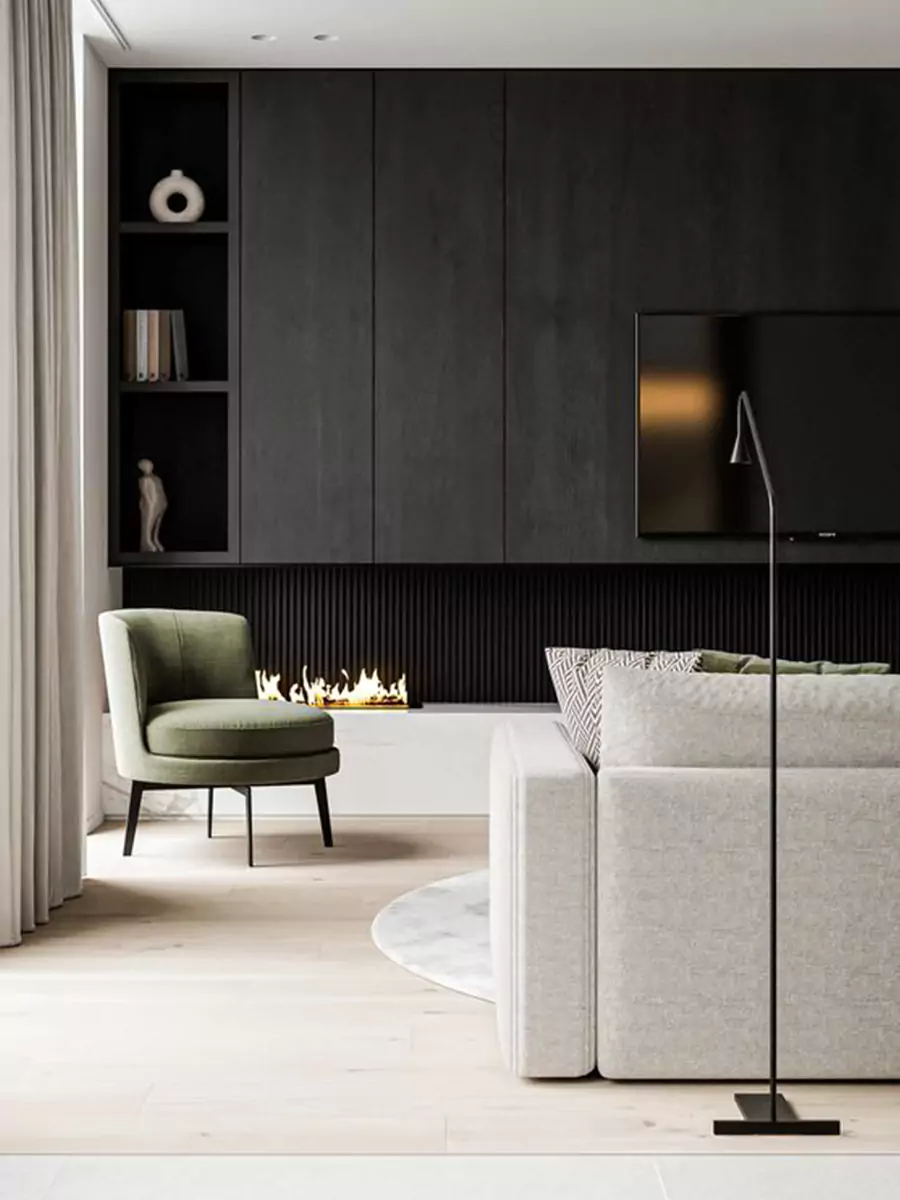
That's why it's important to use modern trends in interior design as accents only. For example, choose quality wood, natural stone, a neutral palette, and simple shapes.
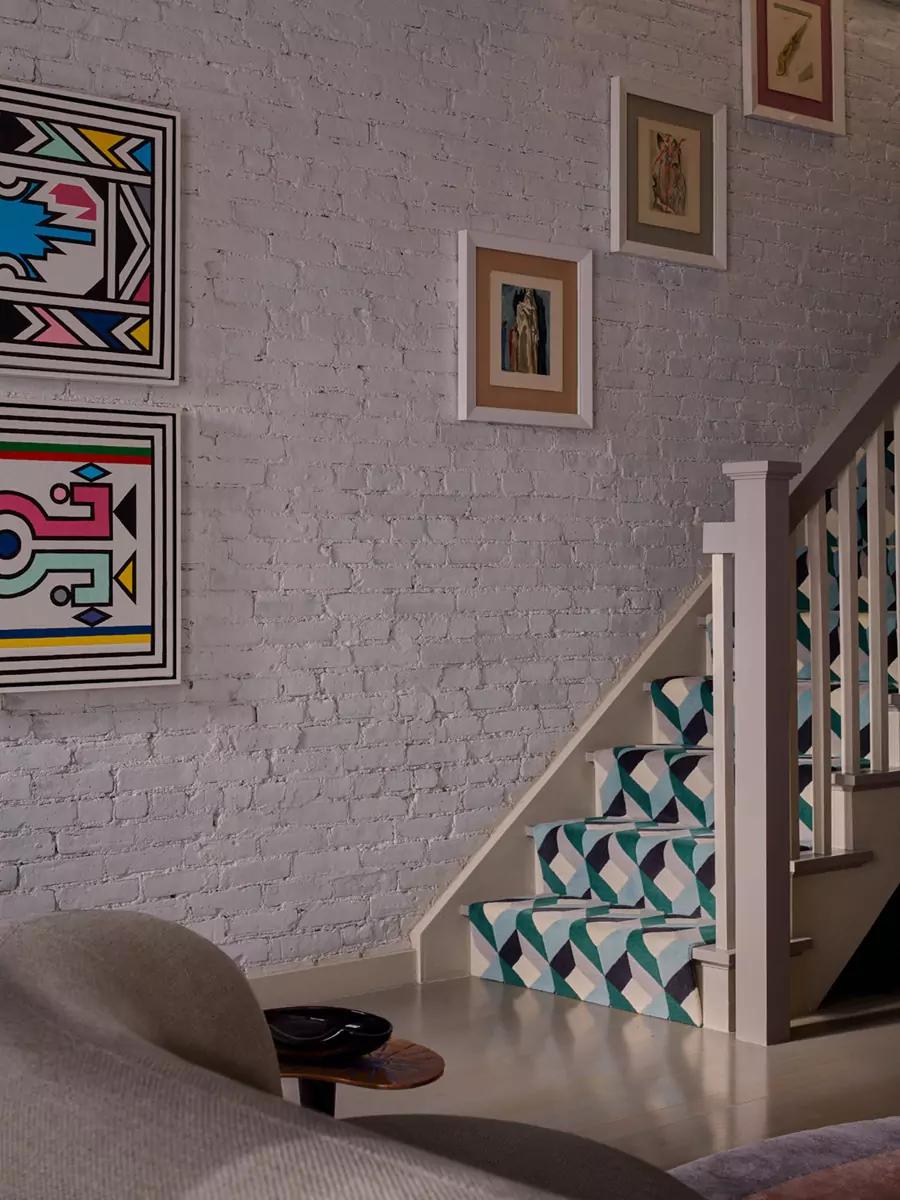

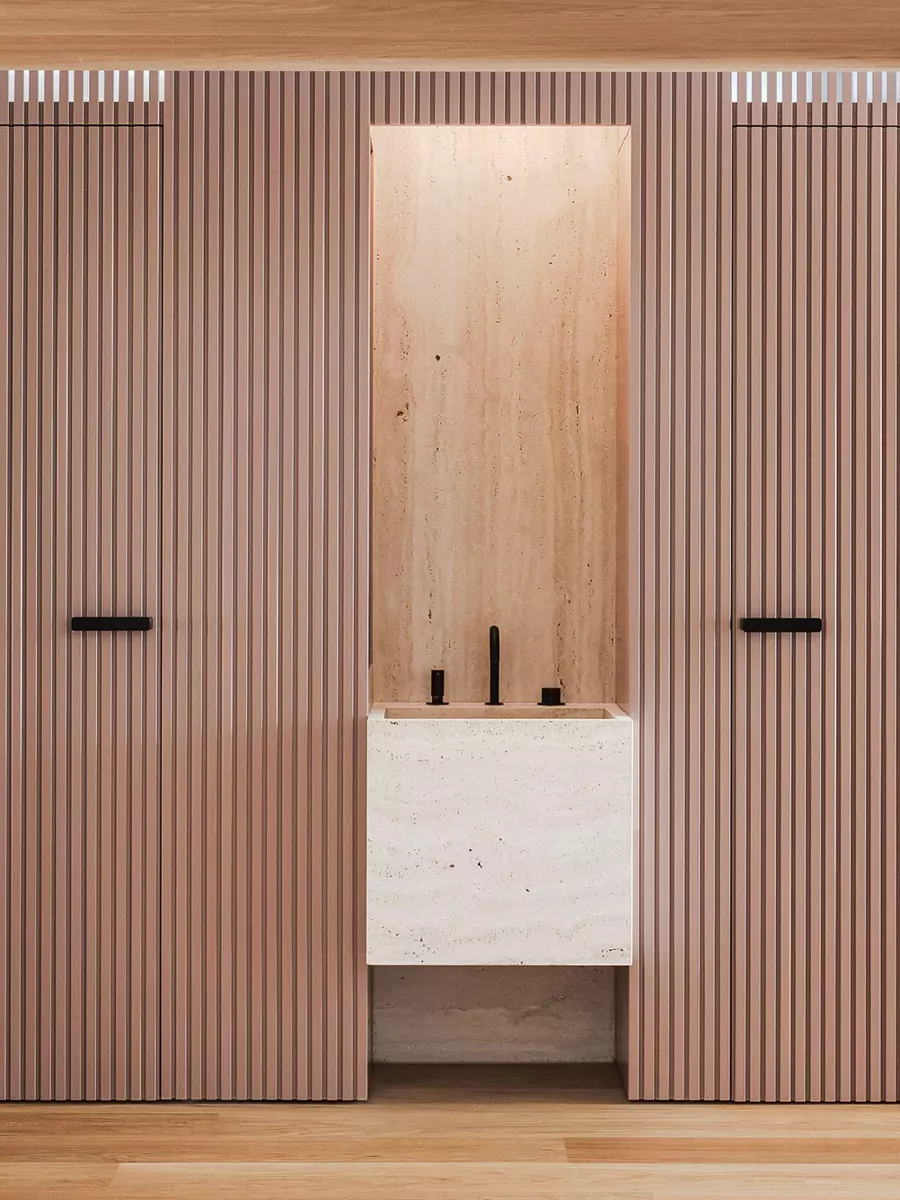
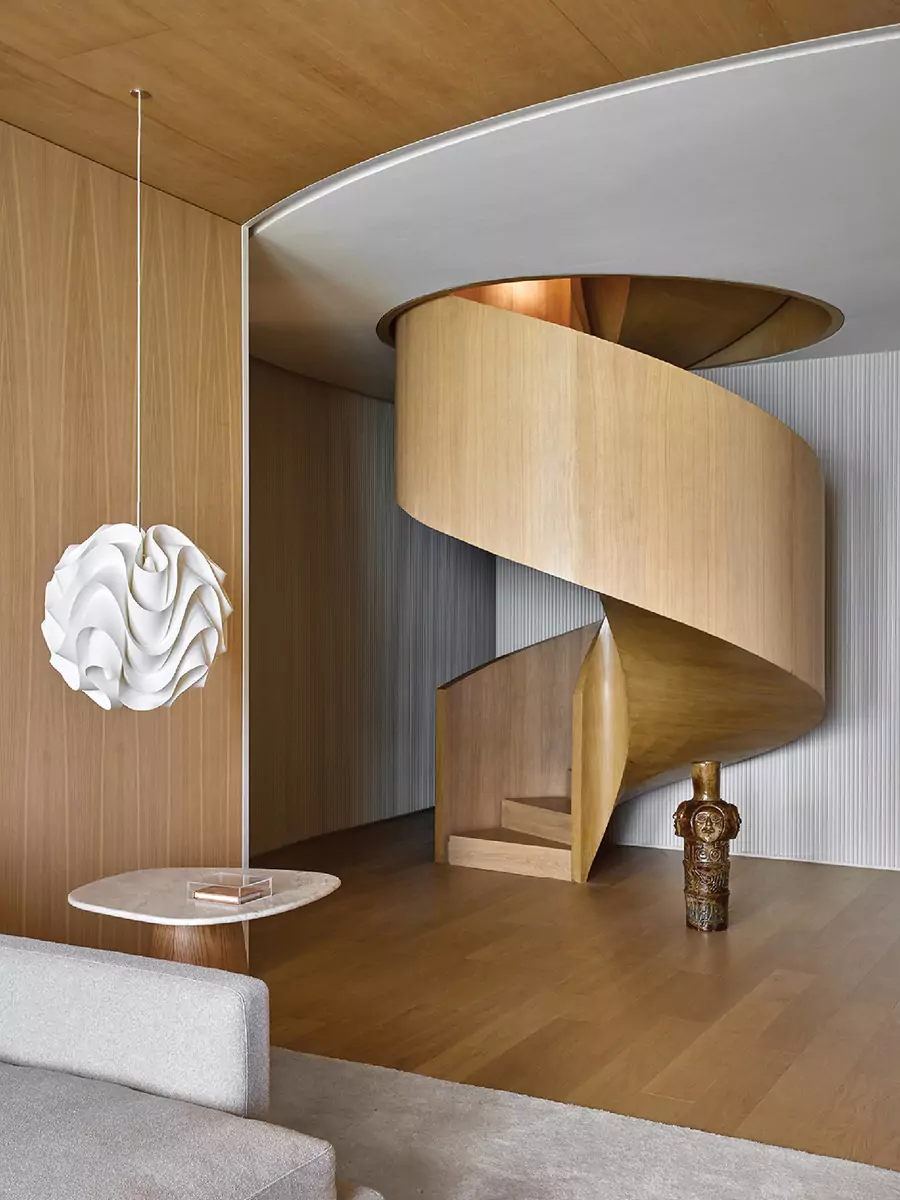
You might think that more furniture means more comfort, but in interior design, everything starts with simplicity. Excessive decorations and furniture often make a space feel cluttered and inconvenient for everyday life.
Use closed storage spaces, drawers or cabinets, which are very functional and easy on the eye. Leave open spaces in the space, which is what ultimately creates a feeling of peace and harmony.
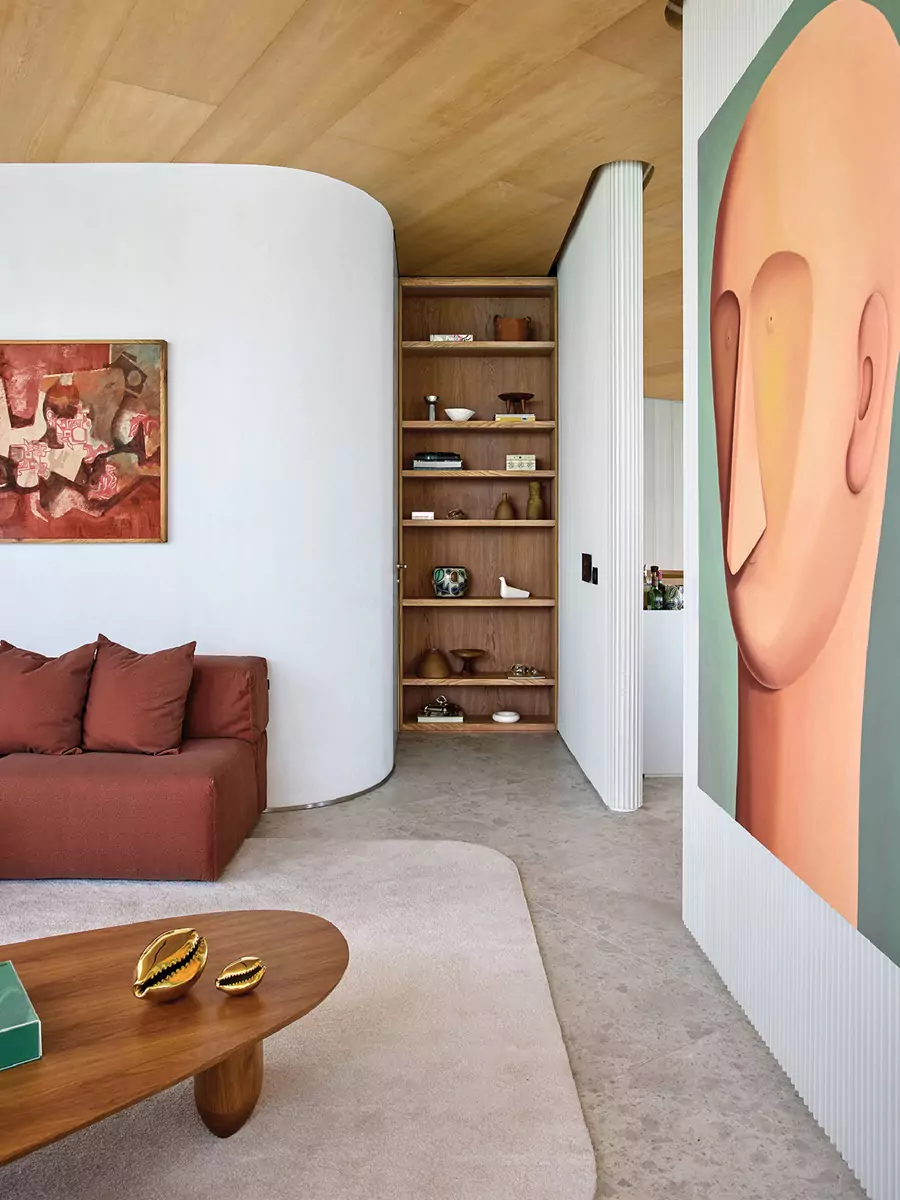

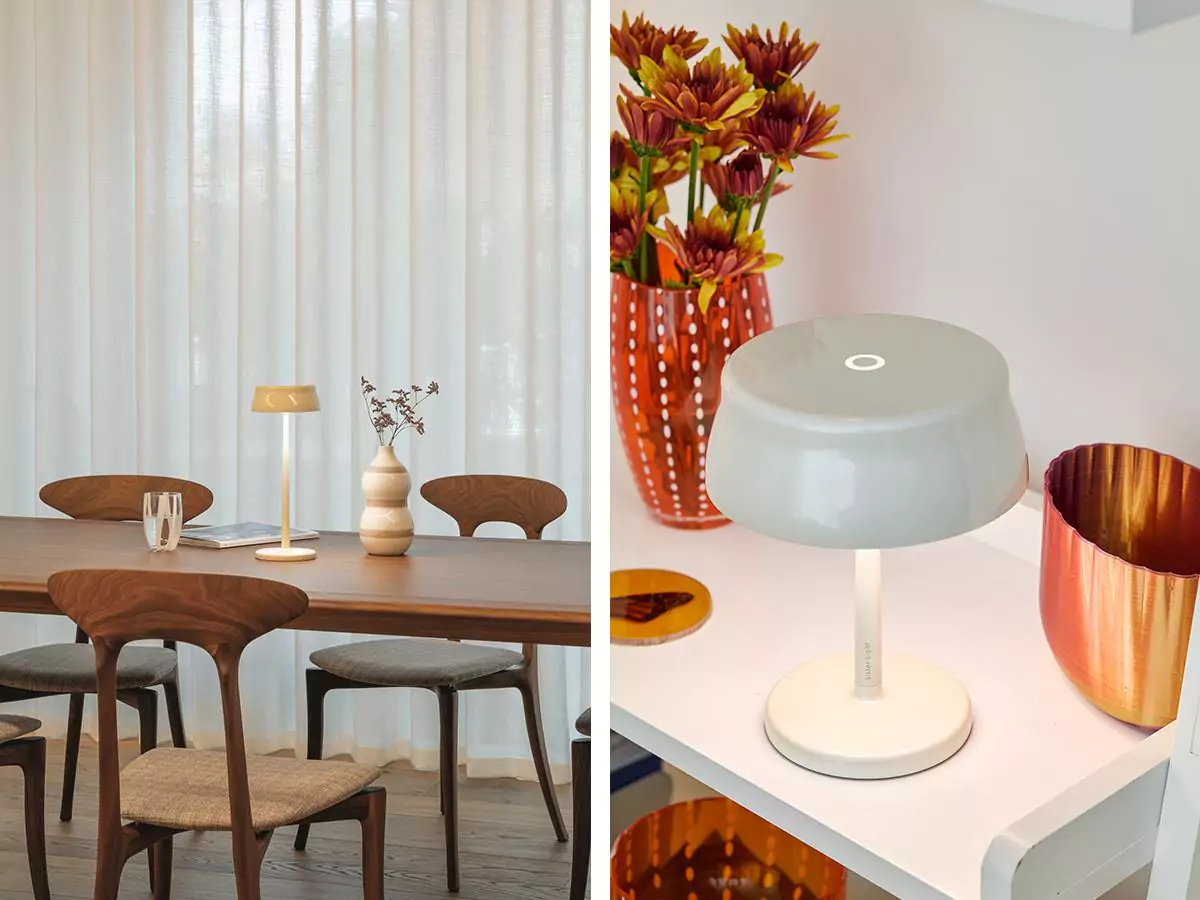
Lighting is not just about ceiling lights. Proper lighting planning is one of the most powerful tools for creating mood in an interior.
Create general lighting and add spotlights to specific spaces, such as reading, work, and relaxation areas. You can also incorporate dimmable lights or candles into your interior design at night.
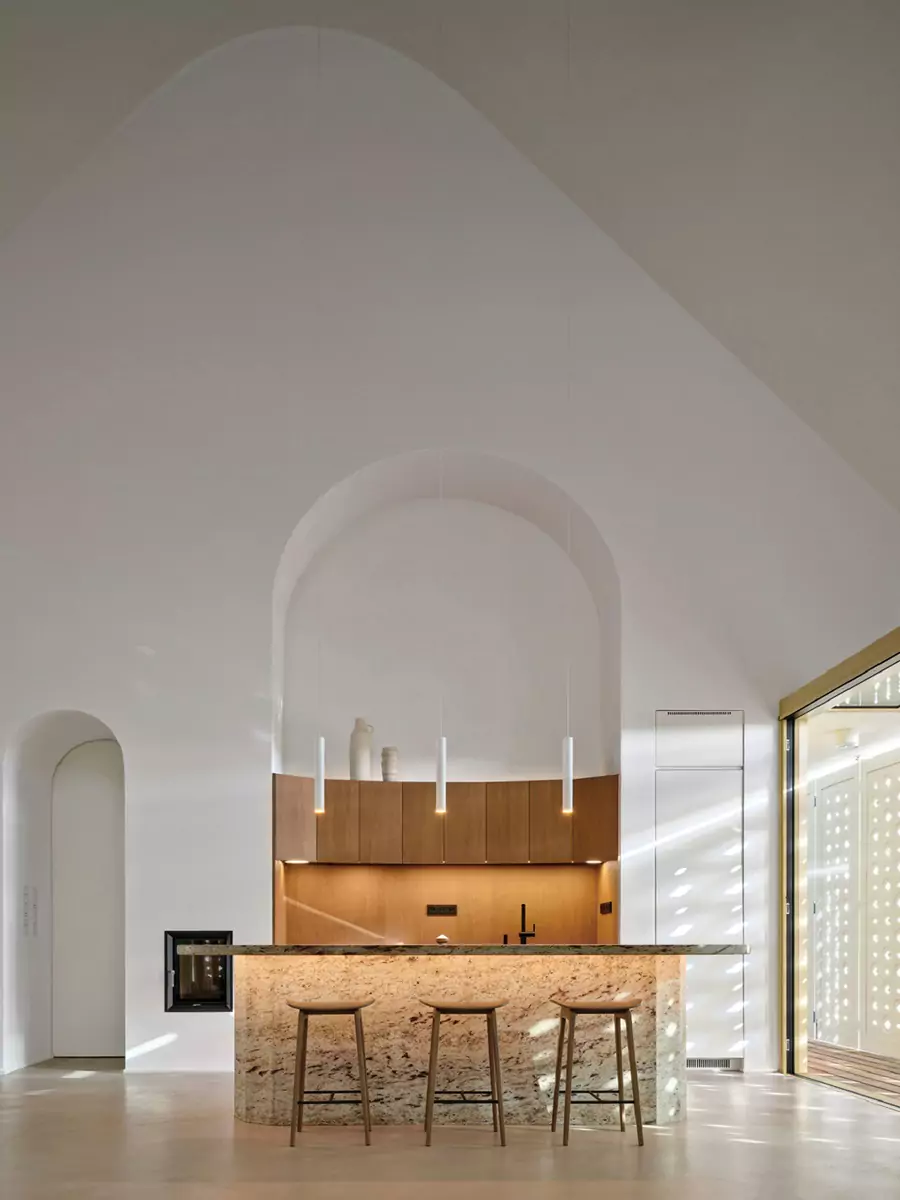
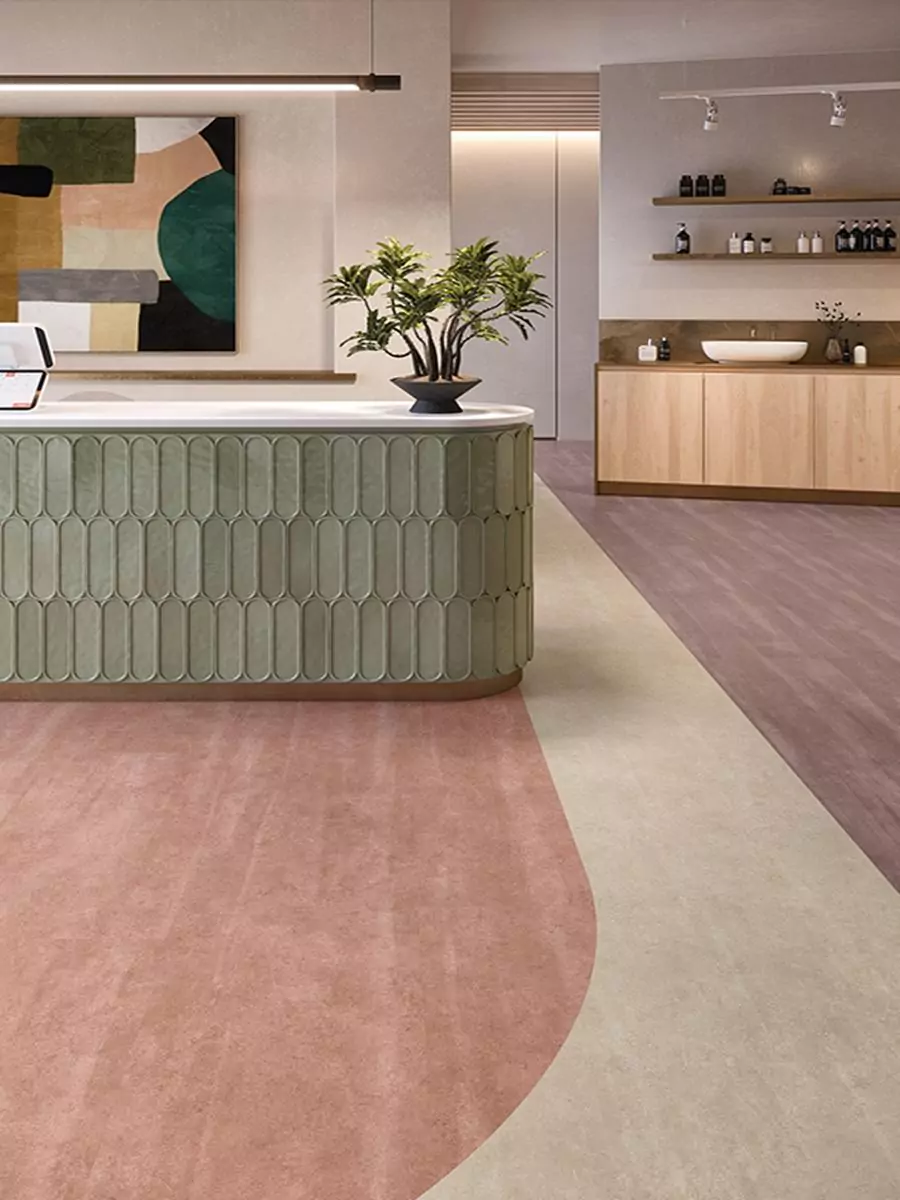
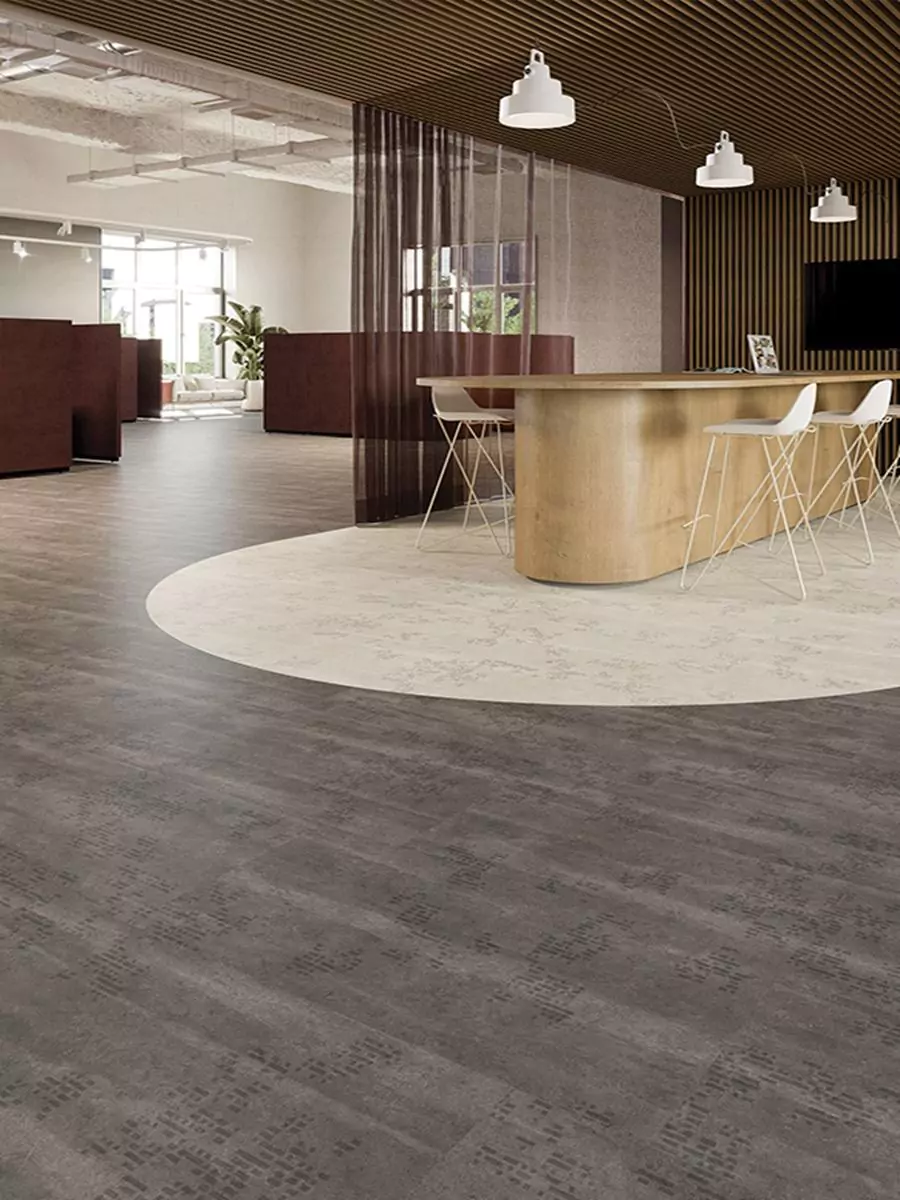
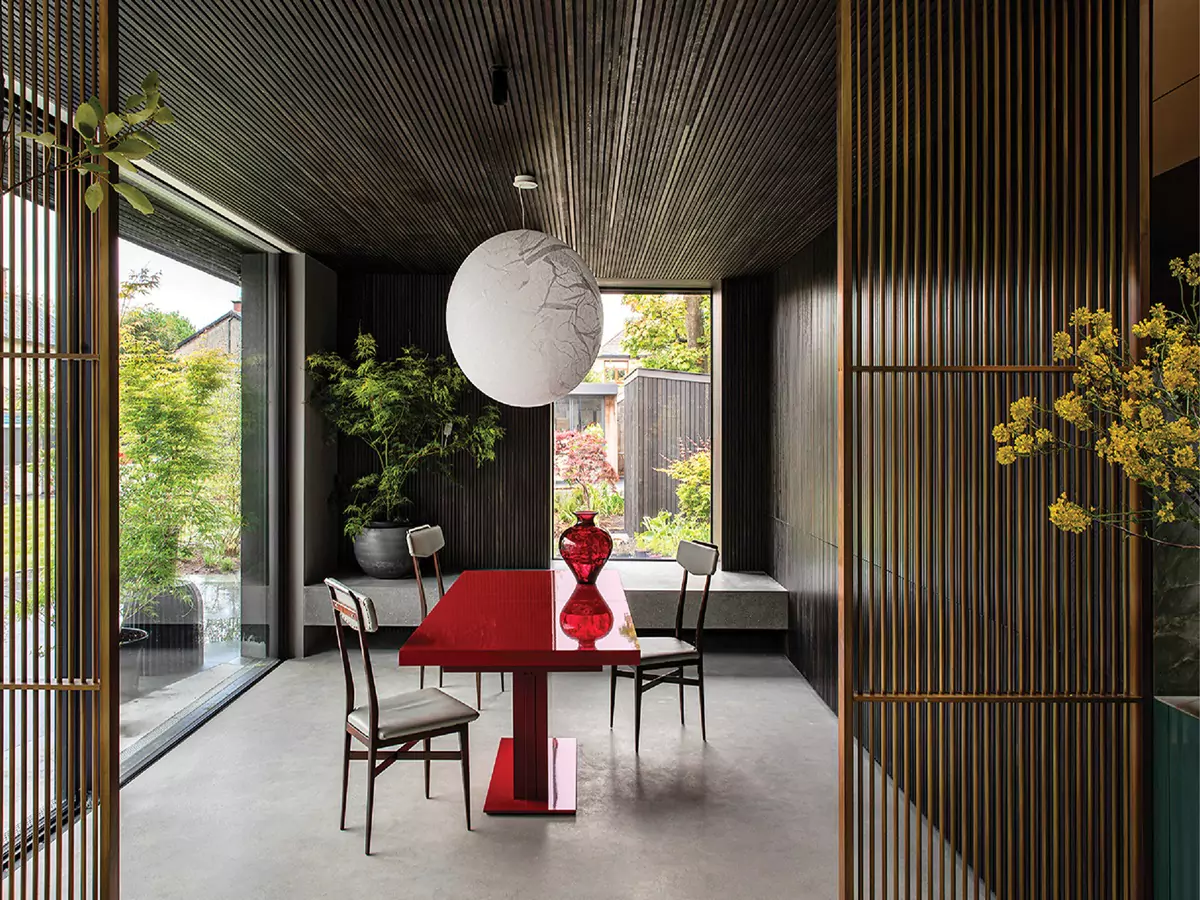
Putting everything in one space often creates an awkward layout. When the design doesn't match your lifestyle, it can become a daily inconvenience.
Think about it – do you really need a separate workspace? What do you do most often at home? Do you like to receive guests? Interior design should always be tailored to your real needs, not to images you've seen on the Internet.
Interior design is not just about choosing beautiful furniture and colors — it's a strategic and emotional process where every detail matters. You'll only hinder yourself if you approach the process haphazardly and superficially.
If you take the above tips into account in advance and are not afraid to seek help from professionals, the design of your home will not only be aesthetically beautiful, but also very cozy and interesting.
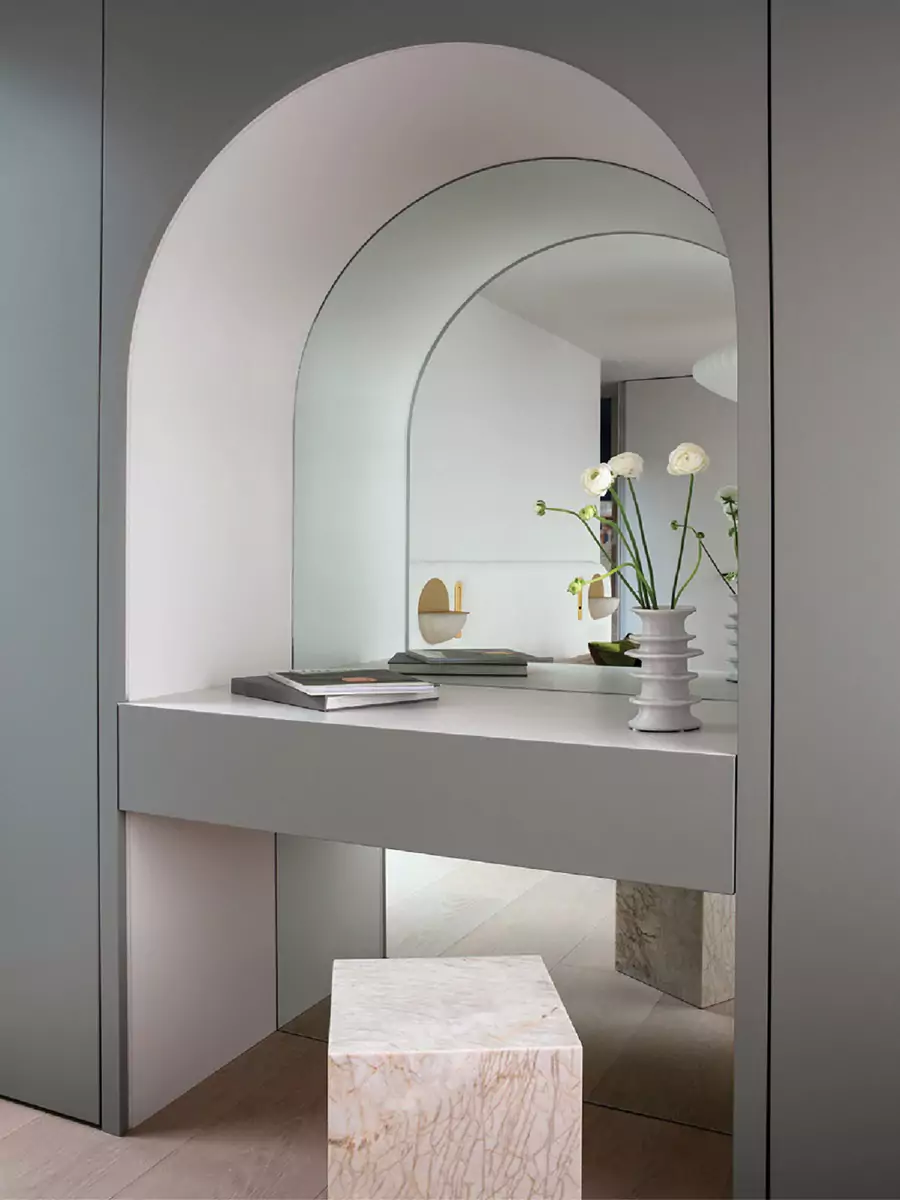
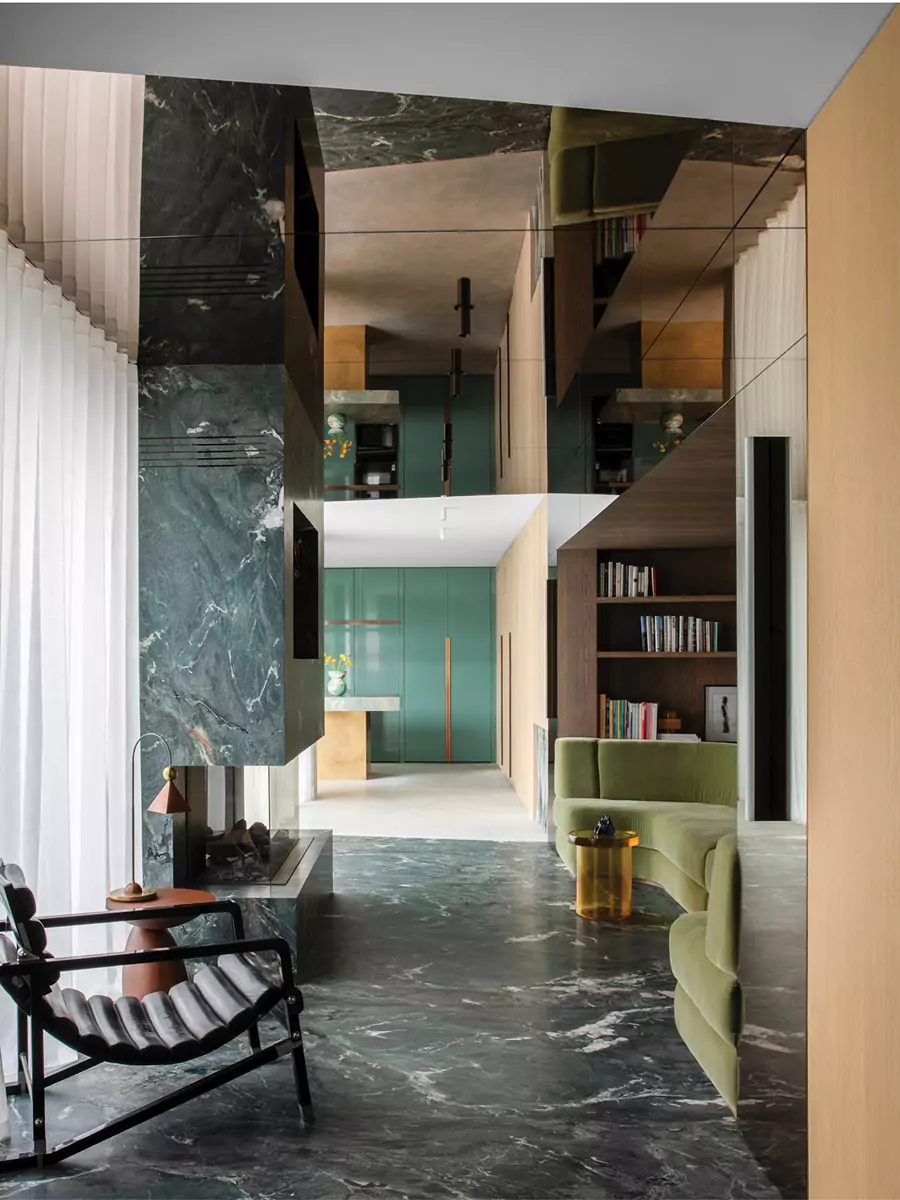
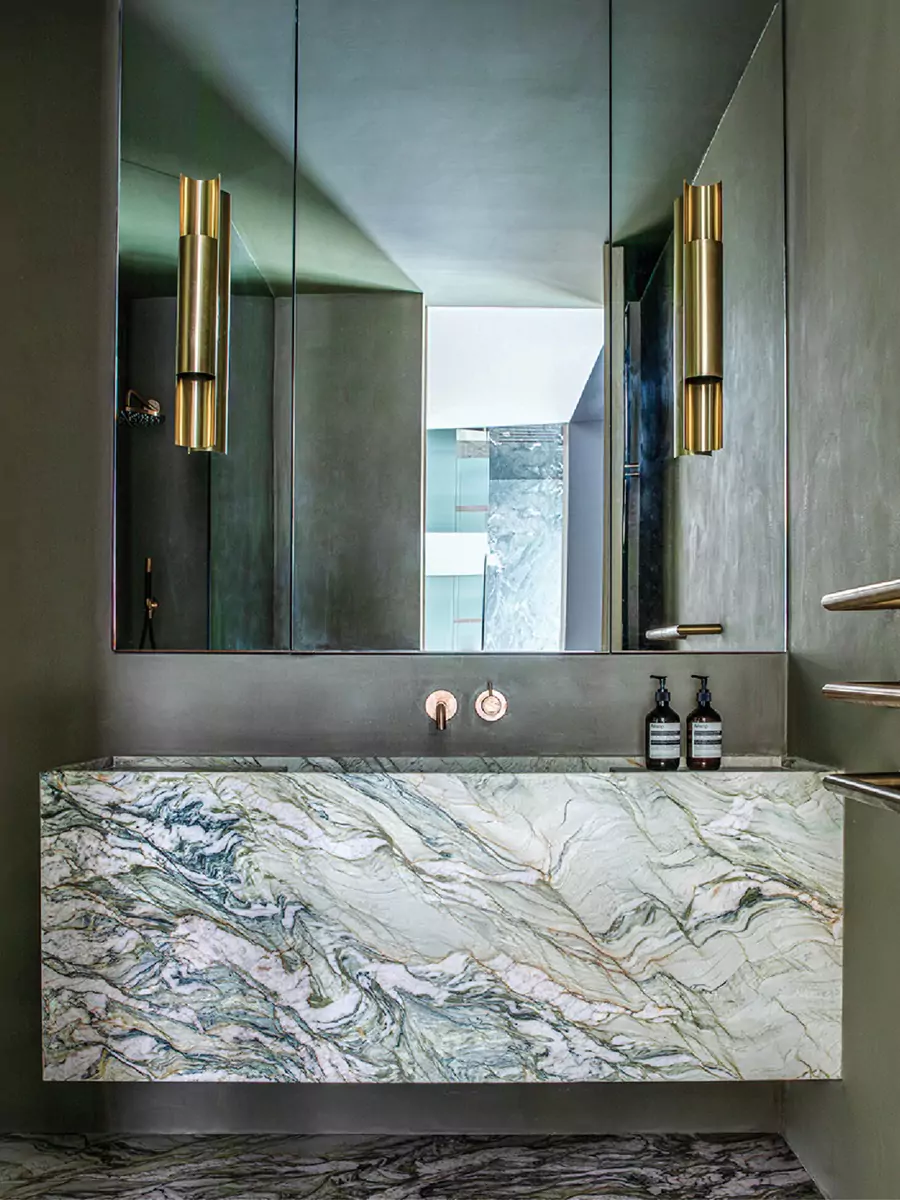
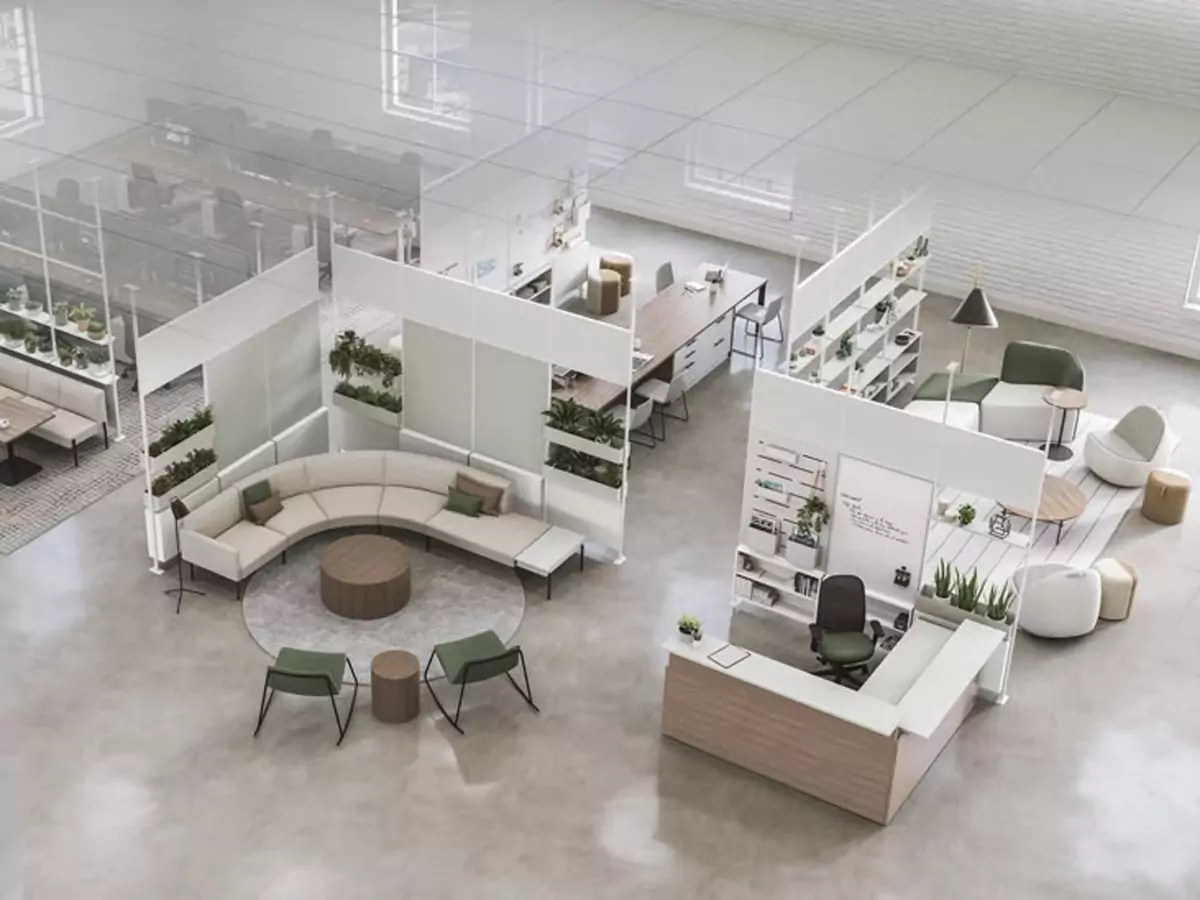
If you want to avoid the mistakes listed above and turn the interior design process into a truly enjoyable and professional adventure, the best decision would be to collaborate with a studio that understands your vision, rhythm, and needs.
That's what Fillet Studio is all about —not only creating beautiful spaces to live in, but also shaping a vision that improves your everyday life.
Our approach to interior design is complex: it starts with a detailed consultation and ends with spaces where everything is precisely planned and distributed.
Whether it's functionally thoughtful zoning, built-in lighting, or minimalist yet sophisticated decorative touches — Fillet Studio's interior design services can help you with everything.
Interior design helps us organize a space functionally and aesthetically. The key elements of design are color , lighting , texture , form , and harmony , which together create a cozy and functional atmosphere, and Fillet Studio understands this very well.
If you are looking for designers who will not only think about colors and textures, but will accurately define and emphasize your character, style, and needs, Fillet Studio is definitely the choice that will help you start the interior design change process right and finish it perfectly.
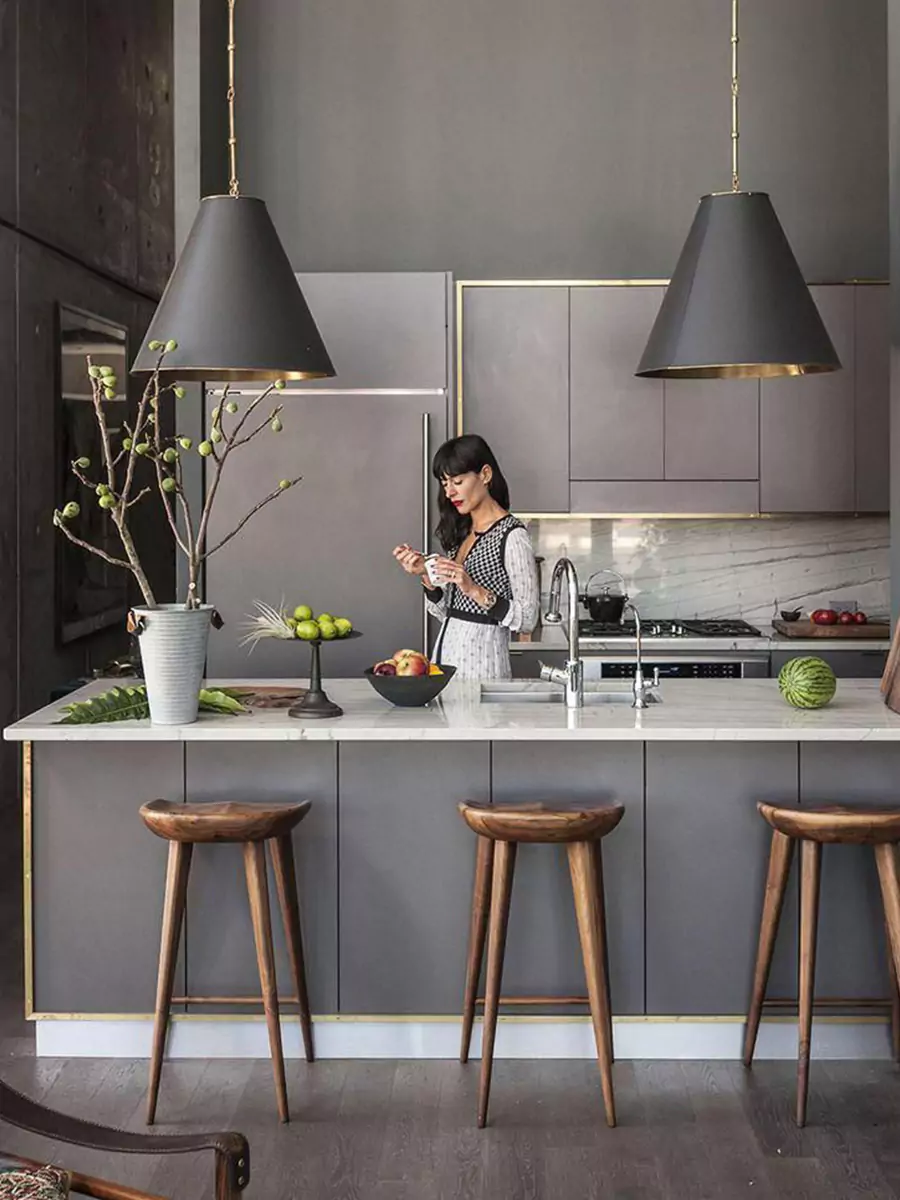
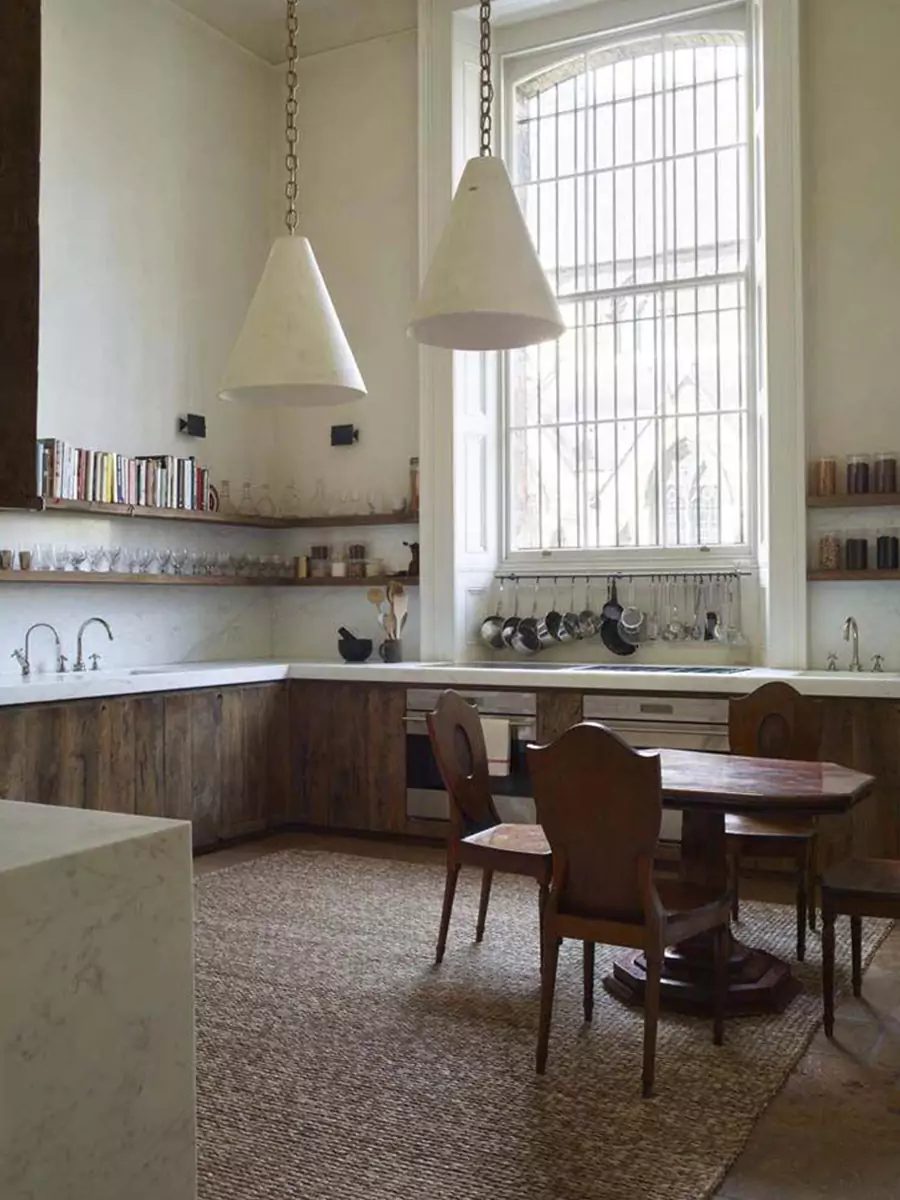
You are probably in the process of renovating your home, and you will inevitably have questions. If you did not get all the answers from the blog, we offer flexible services during the home renovation process:
Optimal arrangement of furniture and appliances
Designer's palette selection
Consultation on the selection of materials to be used